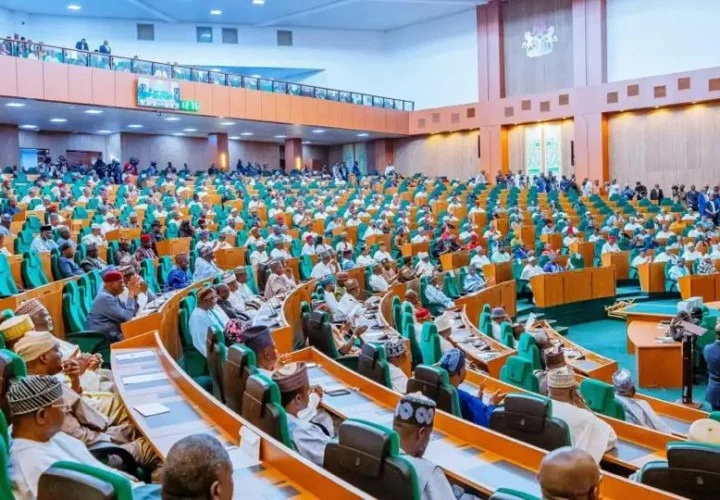
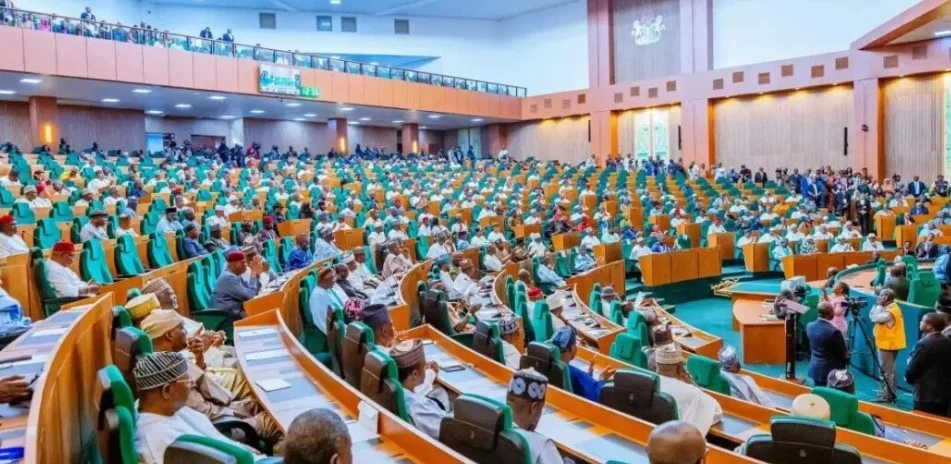
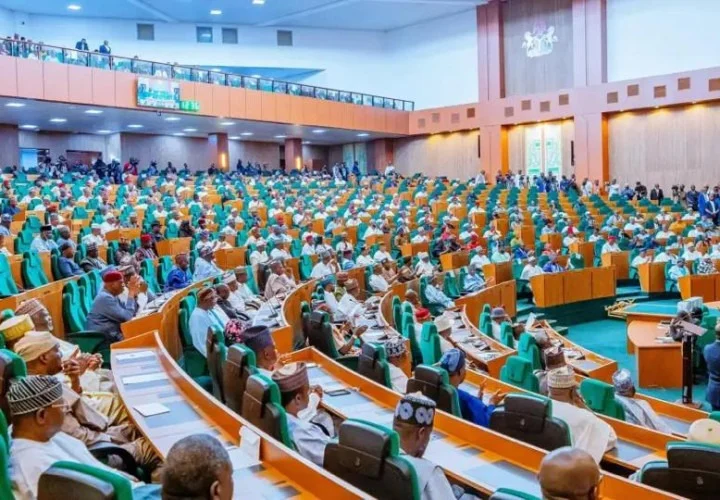
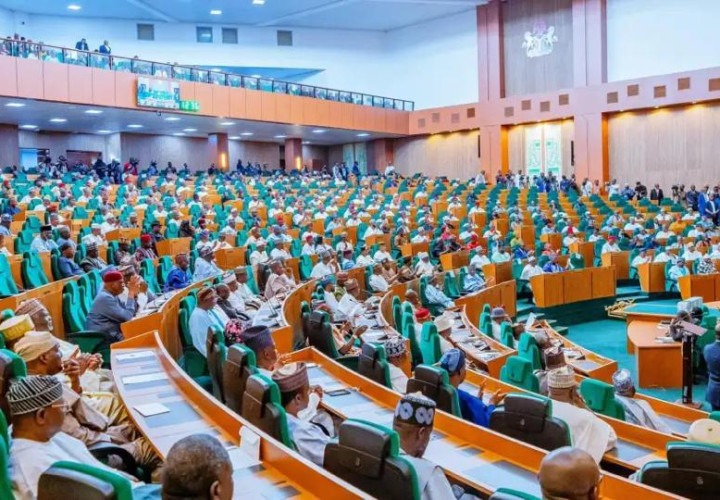
The House of Representatives Committee on Disability has launched an investigation into the procurement activities of the National Commission for Persons with Disabilities following allegations of financial misconduct involving the purchase of Point-of-Sale machines.
The probe was initiated during an investigative hearing held on Thursday at the National Assembly complex in Abuja after members of the disability community raised concerns about alleged irregularities in the commission’s contract awards and project execution.
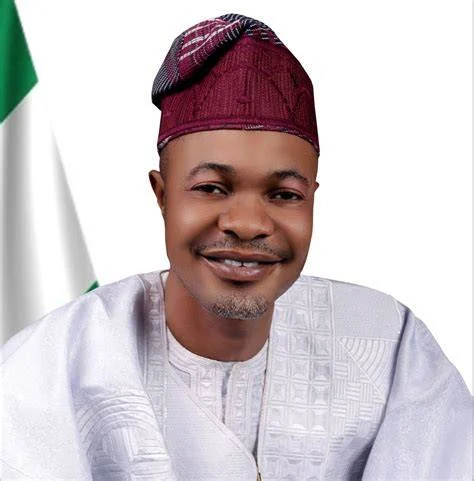
Chairman of the committee and member representing Lagos, Bashiru Dawodu, said the inquiry was necessary to address petitions alleging questionable procurement practices and poor project implementation within the commission.
According to him, the investigation aims to determine whether public funds allocated for persons with disabilities were properly managed.
“We convened this hearing to clarify concerns raised by stakeholders regarding contract awards, project execution and administrative procedures in the commission,” Dawodu said.
“The committee is committed to ensuring transparency and accountability in the management of funds meant to support persons with disabilities.”
One of the petitioners, Abdullahi Ibrahim, told lawmakers that members of the disability community were troubled by what they described as suspicious financial dealings in the agency.
“It is disturbing that the National Disability Commission is being perceived as a centre of corruption within the disability community because of some of the activities taking place there,” Ibrahim alleged.
He cited a procurement transaction involving the purchase of Point-of-Sale machines, claiming the contract value appeared grossly inflated.
“How can a disability commission spend about ₦97 million on the procurement of 101 PoS machines with starter packs when the market cost is far lower?” he asked.
Ibrahim also alleged that several training programmes and equipment procurements undertaken by the commission were awarded at inflated prices.
Members of the committee acknowledged the gravity of the allegations but urged petitioners to provide documentary evidence to support their claims.
They emphasised that credible documents would be required for the committee to carry out a thorough and objective investigation.
Responding to the allegations, the Executive Secretary of the commission, Ayuba Gufwan, told lawmakers that some procurement irregularities had already been addressed shortly after he assumed office.
Gufwan explained that although President Bola Tinubu appointed him on August 6, 2024, he could not resume immediately due to injuries sustained in an accident that required hospitalisation.
“Upon assumption about two weeks afterwards, I was shocked to discover that my predecessor, who was expected to hand over on August 6, had taken some decisions on behalf of the commission as a former Executive Secretary,” he said.
According to him, the commission’s Procurement Tenders Board later reviewed those contracts and declared them invalid.
“We convened a meeting of the Procurement Tenders Board, and the decision was that all procurements presided over by the former Executive Secretary during that period were illegal, null and void,” Gufwan said.
“Those contracts were revoked and a new procurement process for 2024 was initiated.”
He assured the committee that all relevant documents regarding the commission’s procurement activities would be submitted for scrutiny.
“I will compile the necessary records and formally present them to the committee,” he pledged.
Gufwan also highlighted efforts by the current management to expand the commission’s operations nationwide.
He said that when he assumed office, the commission had no functioning zonal offices despite provisions in its enabling law.
“I did not inherit a single operational zonal office,” he said. “As a person with disability, I understand the challenges of transportation and logistics that many persons with disabilities face.”
He disclosed that the commission has since established zonal offices in Plateau, Bauchi, Abia and Oyo states to serve the North-Central, North-East, South-East and South-West regions respectively.
“Our objective is to decentralise the commission’s operations and bring services closer to persons with disabilities across the country,” he added.
Gufwan, however, identified inadequate funding as a major challenge affecting the commission’s work.
“In many cases, persons with disabilities travel from different parts of the country to seek assistance but lack accommodation or transport fare,” he said.
“Unfortunately, the commission does not always have the resources to support such requests.”
The committee said the investigation would continue, adding that further hearings may be held to allow more stakeholders present evidence before any legislative action is taken.