Russian President, Vladimir Putin’s five-hour meeting with the United States delegation led by President Donald Trump’s top negotiator has ended without a major breakthrough on achieving peace in Ukraine.
Following the talks in Moscow, the Kremlin described the discussions as “constructive”, but said crucial aspects of the proposal still remain “unacceptable” to Russia.
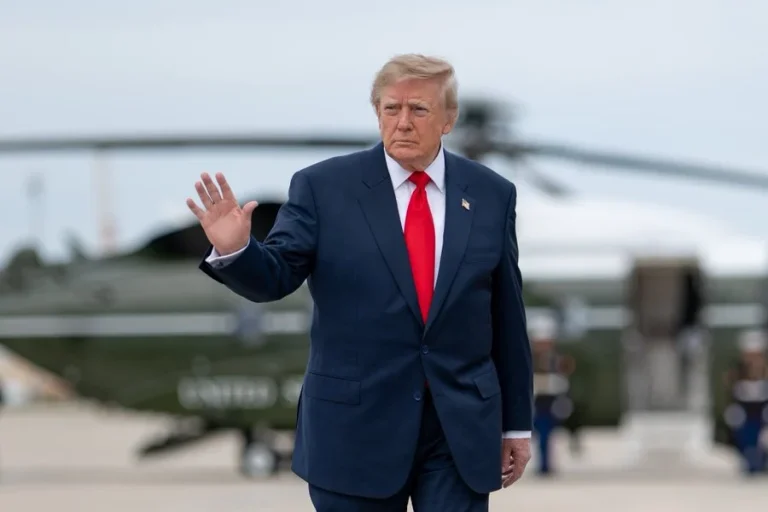
Trump’s special envoy Steve Witkoff attended alongside Jared Kushner, though the US side has yet to issue any comments after departing Moscow.
Earlier on Tuesday, Putin criticized proposed amendments pushed by Kyiv and European partners to a US-backed peace blueprint, warning that if Europe “wants to go to war and starts one, we are ready right now”.
The initial US-sponsored plan, leaked in November and perceived as favourable to Moscow, has undergone several revisions in recent weeks.
However, significant divisions remain, especially over demands for Ukraine to cede territory it continues to defend and concerns about security guarantees led by Europe.
Putin’s adviser Yuri Ushakov said after the meeting that Russia “agreed with some points… but some things we criticised”. He admitted a compromise was still distant, noting: “We have not come up with a compromise version yet… A lot of work lies ahead.”
The Russian president also launched into a tirade against European leaders before the negotiation session, accusing them of believing they could impose a strategic defeat on Moscow.
“We weren’t planning to go to war with Europe, but if Europe suddenly wants to go to war and starts one, we are ready right now,” he said.
Meanwhile, President Volodymyr Zelensky said he anticipated receiving a briefing from the US delegation but did not confirm whether the team would travel to Kyiv or nearby capitals afterward. Speaking in Ireland, he stressed that the opportunity to halt the war was “now more than ever”, while emphasizing Kyiv’s stance on firm, long-term protections.
“Everything depends on today’s discussions,” Zelensky noted, insisting Ukraine must be fully involved in the negotiations and secure guarantees preventing future Russian aggression, including NATO membership — a demand firmly rejected by Russia and ruled out by Trump.
“We have to stop the war in such a manner that in one year, Russia would not come back,” he added.
Recent diplomatic engagements have included two rounds of talks involving Witkoff, Kushner, and US Secretary of State Marco Rubio.
Washington has stated that proposals have been “very much refined”, though specific updates remain undisclosed.
Moscow, believing it holds the upper hand on the battlefield, has shown little willingness to ease its demand over Eastern Ukrainian territories.
As negotiations unfolded, Trump told his cabinet that the conflict remained difficult to settle, describing the situation as “a mess.”
In a separate Fox News interview, Rubio acknowledged that the US had “made some progress” but highlighted that any decisive move must come directly from Putin, noting, “The decisions have to be made, in the case of Russia, by Putin alone – not his advisers, Putin only. Putin can end this war on the Russian side.”
European leaders have countered Washington’s 28-point plan by proposing their own version, removing the most controversial items, including what appeared to be US recognition of Russian control in Donetsk and Luhansk.
France’s President Emmanuel Macron reiterated that there was “no finalised plan to speak of” without European and Ukrainian agreement.
Despite the diplomatic activity, fierce battles continued. Ukraine rejected Russia’s claims of capturing Pokrovsk, asserting that operations were ongoing and that Russian units suffered heavy casualties.
Kyiv’s eastern command also dismissed Moscow’s announcements of taking Vovchansk and insisted its forces gained ground in Kupyans.
Since Russia’s full-scale invasion on February 24, 2022, tens of thousands of soldiers on both sides have been killed or wounded, with the UN reporting more than 14,000 civilian deaths.
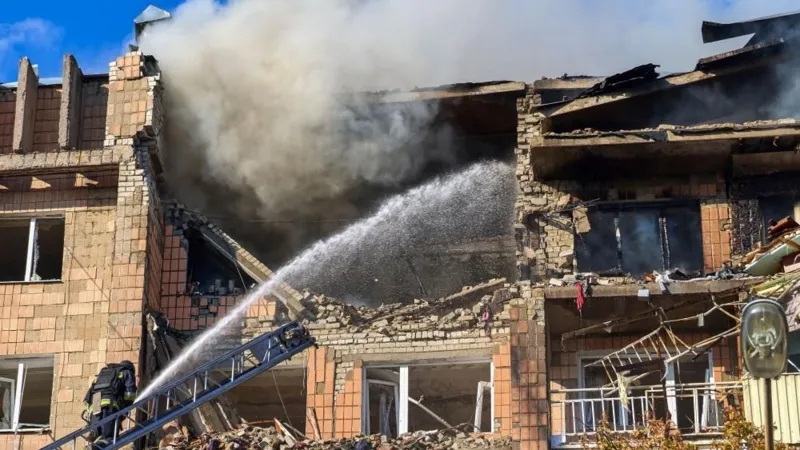
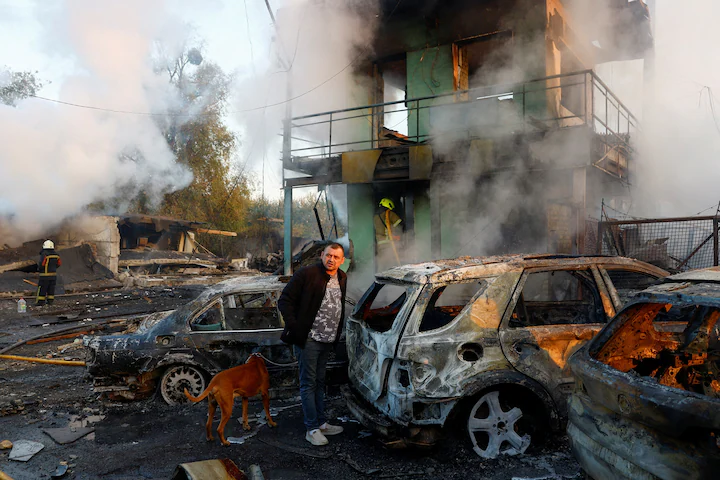
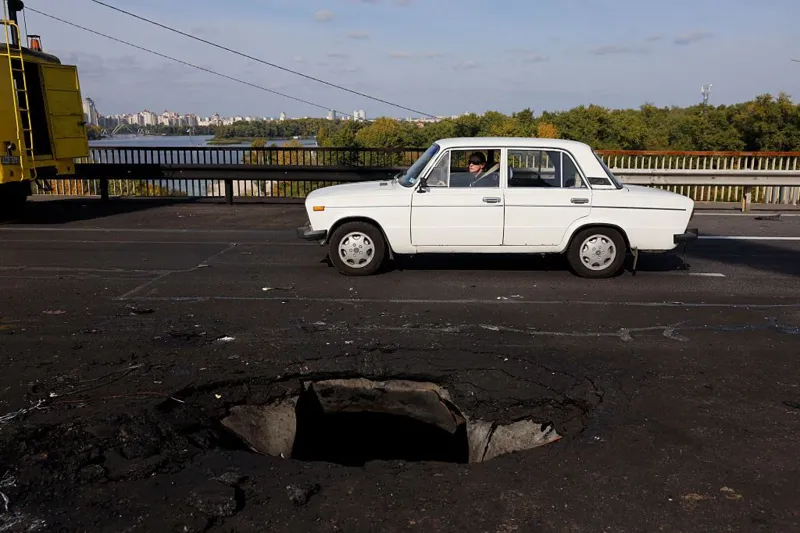
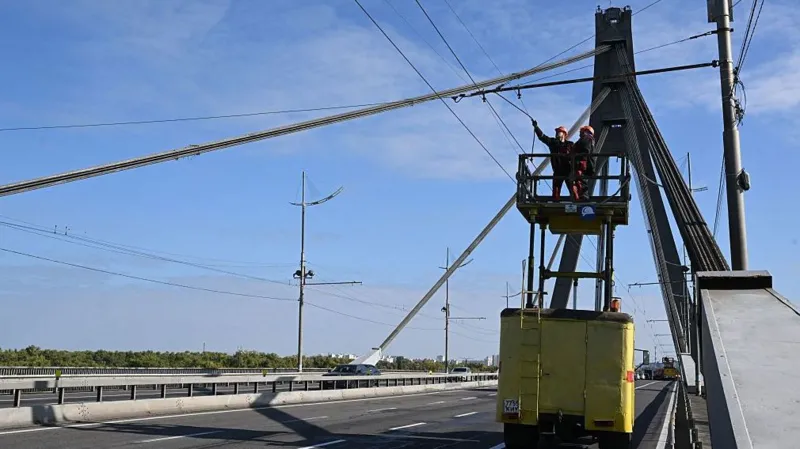
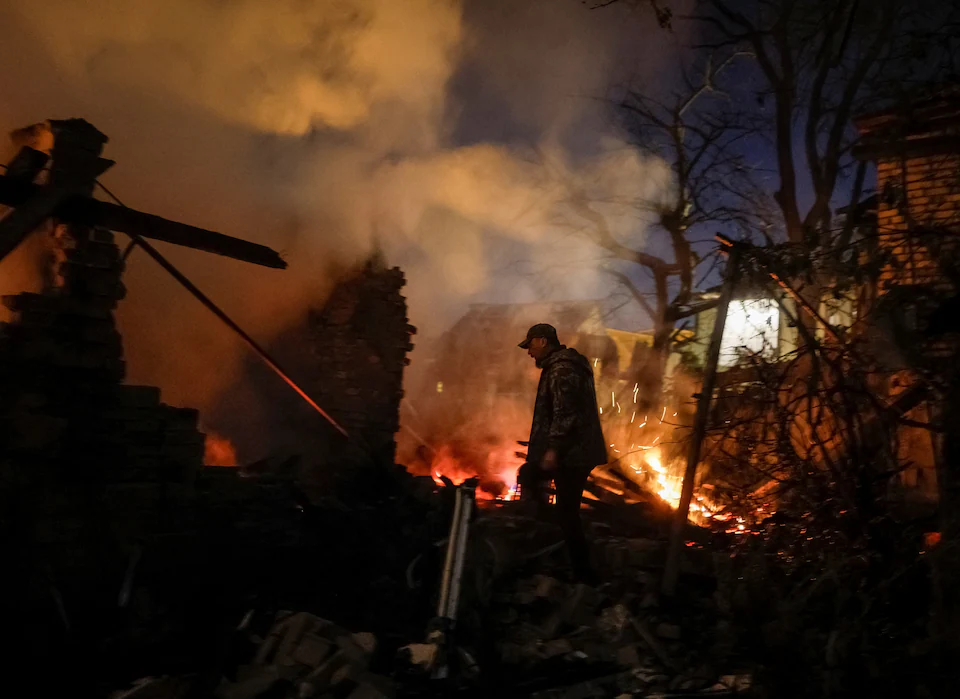
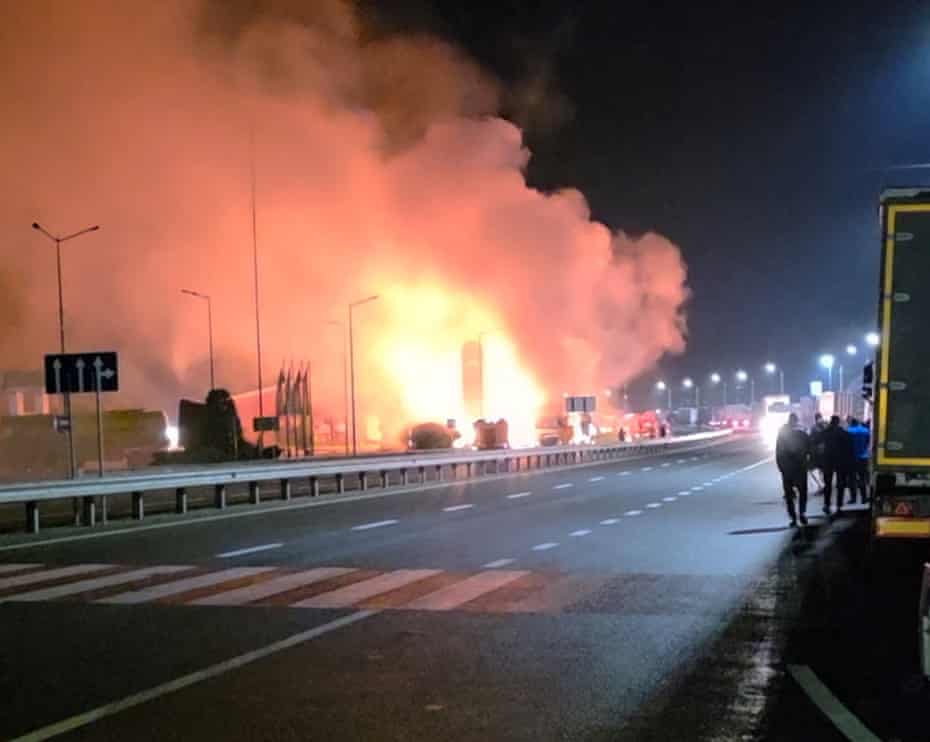
Repeated missile and drone strikes have destroyed vital Ukrainian infrastructure, including hospitals, schools and residential buildings.
The war has its origins in 2014, when the Kremlin annexed Crimea and supported separatist uprisings in eastern Ukraine after a pro-Russian president was ousted in Kyiv.