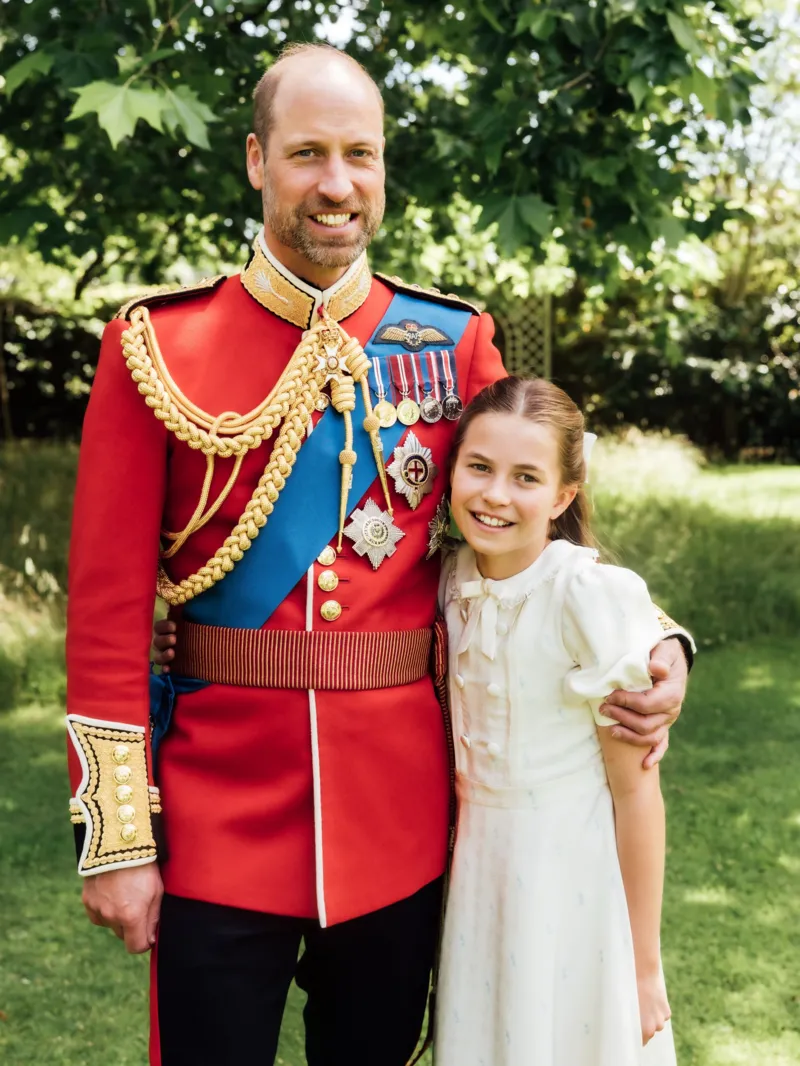
Britain’s heir to the throne, Prince William, is preparing to move his family into a new residence on the Windsor estate, a decision that has sparked speculation about the long-term role of Buckingham Palace.
The Prince and Princess of Wales, along with their three children, George, 12, Charlotte, 10, and Louis, seven, are set to relocate later this year to Forest Lodge, an eight-bedroom Georgian mansion dating back to the late 1700s.
The property is significantly larger than their current four-bedroom home on the same estate.
According to The Sun, the couple considers the house their “forever home.” A Kensington Palace spokesperson confirmed the move to AFP but declined to provide further details.
Reports suggested the royal couple will personally cover the costs of rent, renovations, and the move itself, with friends describing the decision as part of a “fresh start” following Princess Catherine’s cancer diagnosis and treatment in 2024.
The move solidifies the family’s ties to Windsor, where their children already attend a nearby school.
But it also raises concerns about Buckingham Palace’s future, with royal commentators warning that the monarchy risks sidelining one of its most iconic residences.
“Buckingham Palace is a global symbol, on par with the White House,” said royal expert Richard Fitzwilliams. “It absolutely must remain the centre of the monarchy, regardless of where William and Catherine choose to live.”
Sovereigns have resided at Buckingham Palace since 1837. Situated in central London, the 755-room landmark is home to major royal occasions, from summer garden parties to grand state banquets and opens parts of its lavish interiors to the public during summer.
Currently, King Charles III has opted not to live there during a £369 million ($429 million) renovation project, scheduled for completion in 2027.
The monarch, who revealed his cancer diagnosis earlier this year, continues to favour Clarence House as his London base, though he has expressed intentions to move into Buckingham Palace once renovations are complete.
William, like his father, reportedly supports expanding public access to the palace and increasing its use for royal events. However, the move to Windsor may fuel perceptions of the monarchy being spread across too many estates.
The late Queen Elizabeth II’s personal preferences leaned towards Windsor Castle and Balmoral Castle, where she spent summers, while holidays and Christmas were traditionally held at Sandringham House. King Charles himself has long favoured Highgrove House, known for its gardens, and Birkhall in Scotland.
William and Catherine already divide their time among several properties, including Anmer Hall in Norfolk and their official residence, Apartment 1A at Kensington Palace.
Critics, such as Daily Mail columnist Amanda Platell, warn that the heir’s absence from Buckingham Palace could weaken the monarchy’s visibility, particularly among younger generations.
A recent YouGov poll showed only 35% of Britons aged 18 to 24 support retaining the monarchy, compared to stronger backing among older groups.
“I fear that a part-time king tucked away in Forest Lodge could deepen the monarchy’s challenges,” Platell wrote.
Still, commentators stress that Buckingham Palace will retain its central role in royal life.
As Fitzwilliams summed up, “Whether or not William and Catherine live there, the palace must remain the beating heart of the monarchy.”
–