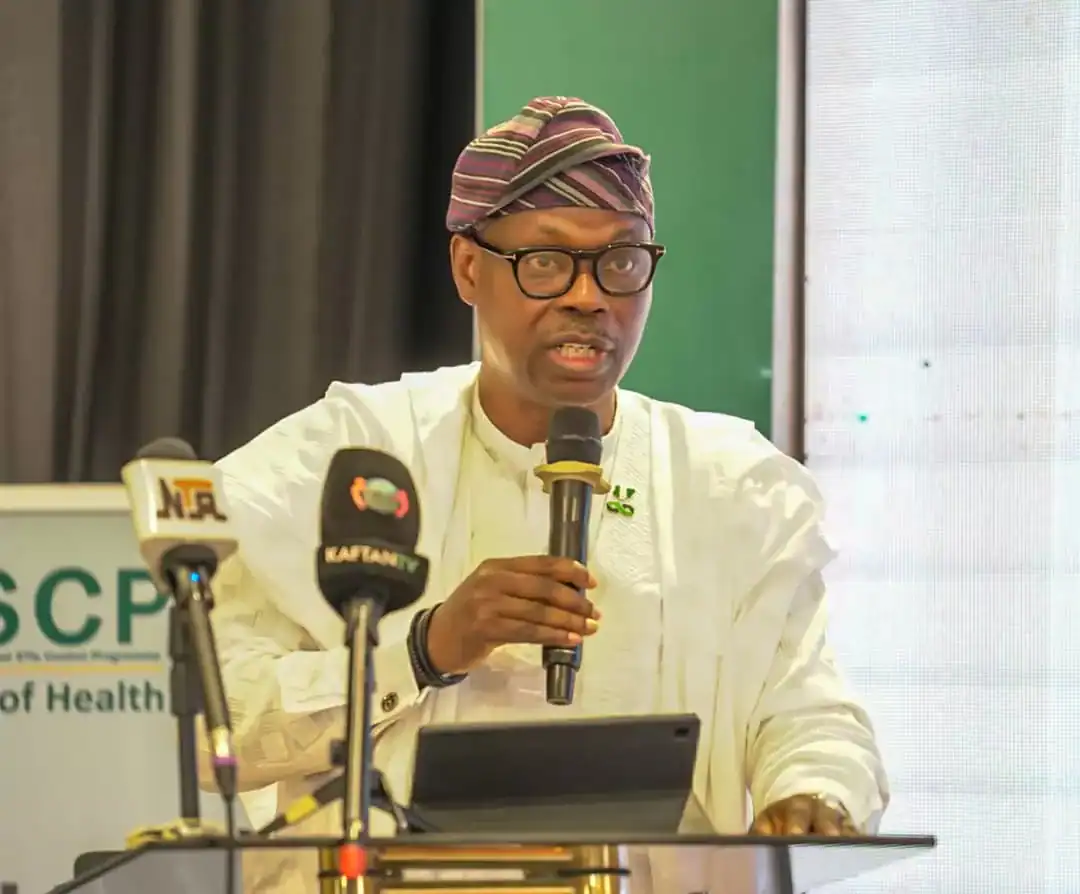
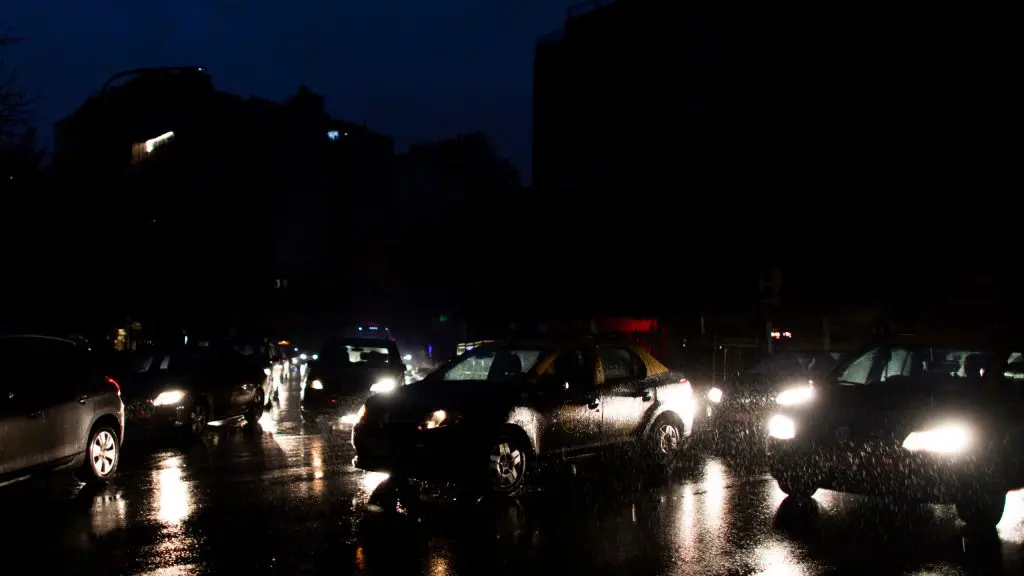
The Minister of Power, Adebayo Adelabu, has issued a public apology to Nigerians following widespread electricity outages that have disrupted homes, businesses, schools, and industries across the country.
Speaking at a press conference in Abuja on Tuesday, Adelabu acknowledged the hardship caused by the power crisis, especially amid soaring temperatures during the dry season.
“I want to apologise to Nigerians, officially now, coming from me as the Minister of Power, for this temporary issue that is leading to hardship being experienced, especially during this dry season, where there is so much heat everywhere,” Adelabu said.
He explained that the outages were partly due to factors beyond the government’s control, including disruptions in gas supply and ongoing maintenance on key infrastructure.
“Businesses are being affected, schools have been affected, and industries have been affected. It is not our wish to find ourselves in this situation, but it is due to some factors that are actually beyond our control,” he added.
Adelabu assured the public that the situation is temporary, stating that improvements would be visible within two weeks.
“With the committee that we have set up, commitments from gas suppliers, and the timeline for repair of the gas pipelines, two weeks from now, we should start seeing improvements in supply. Two weeks,” he said.
He also highlighted efforts to ensure compliance from domestic gas producers and to improve payment flows to incentivize supply to power plants.
“We already have a committee that is working on this to track compliance with the domestic supply obligations of these gas companies to our power plants,” Adelabu noted.
The minister reiterated the government’s commitment to increasing electricity generation to 6,000 megawatts by the end of 2026.
“Power generation will improve, transmission will improve, distribution will improve, and that 6,000 megawatts will be achieved before the end of this year, and Nigerians will be better for it,” he said.
Nigeria’s power sector has long faced challenges including ageing infrastructure, transmission bottlenecks, liquidity issues, and inadequate gas supply.
Adelabu described the current disruptions as a temporary setback in the broader plan to strengthen electricity delivery nationwide.
“If we could provide such service in 2025, this is 2026, we are willing to do more, to even do better,” he added.