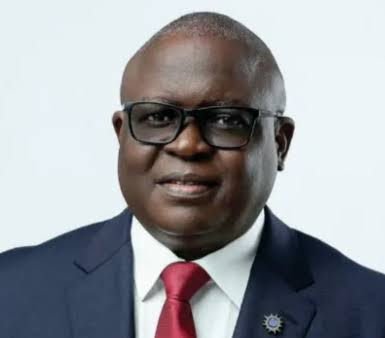
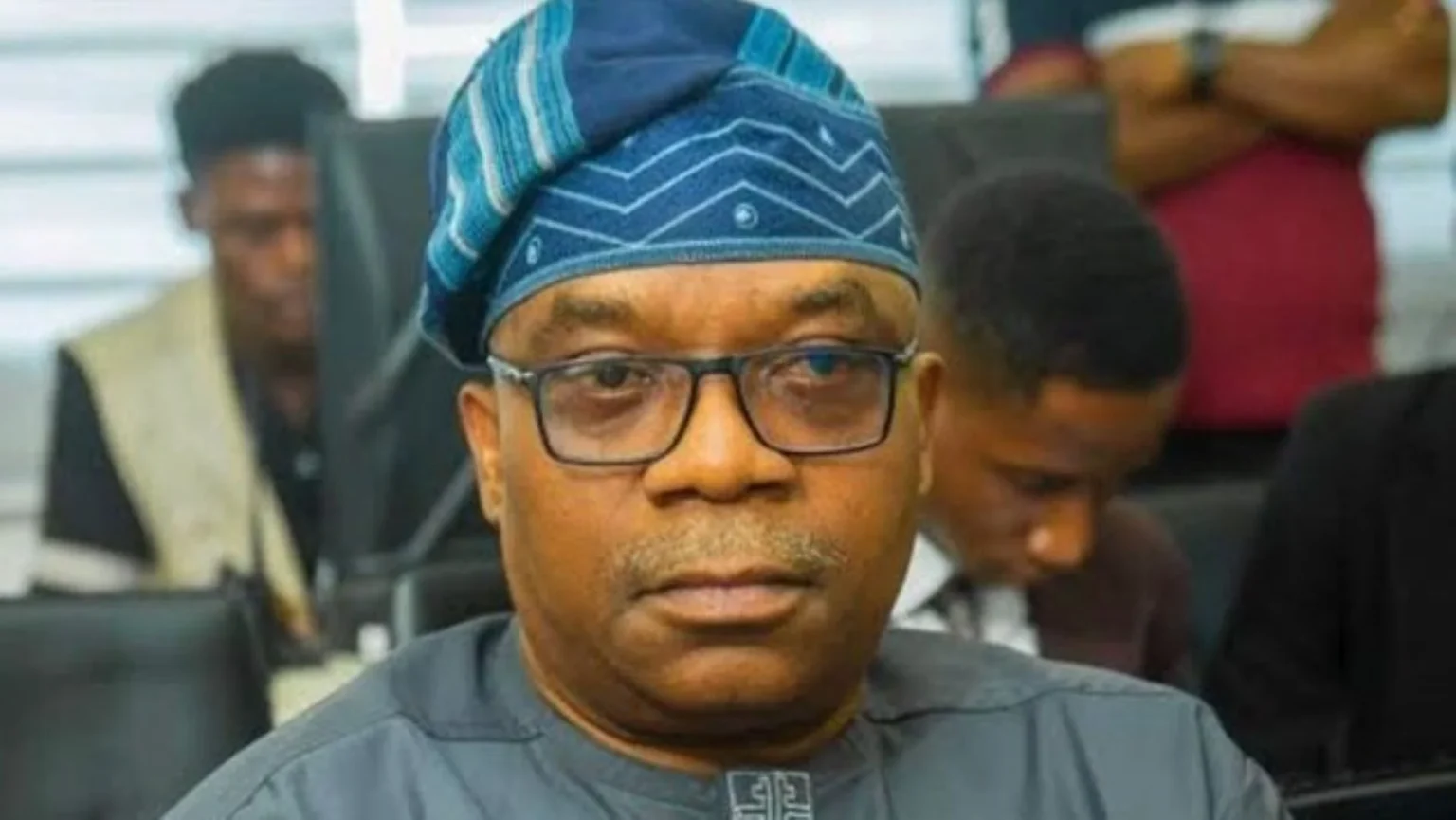
Nigeria’s rapid intervention during last weekend’s attempted coup in the Republic of Benin played a decisive role in preventing large-scale bloodshed, Benin’s Foreign Minister, Olushegun Bakari, has revealed.
Speaking to journalists on Thursday in Abuja at the ECOWAS Council of Ministers meeting, Bakari expressed gratitude to Nigeria and other West African nations for responding promptly when Benin came under threat in the early hours of Sunday.
According to him, although Benin’s military was able to resist the rebels, the request for external support became necessary to avoid heavy civilian casualties in the densely populated area where the insurgents had taken cover.
“We are within our ordinary ministerial meeting in ECOWAS, and it is important to show that our region remains one where democracy prevails,” Bakari said.
“We cannot accept those who attack democracy. We sought intervention under ECOWAS protocols from Nigeria, Côte d’Ivoire, Sierra Leone, and Ghana. Their support was not because our army was incapable, but because we needed to prevent unnecessary loss of life.”
The attack reportedly began around 3 a.m. on Sunday when armed rebels stormed the presidential residence.
Benin’s Republican Guard immediately mounted a defence, blocking access and halting the attackers’ advance.
Though the rebels briefly attempted to seize national television, the military regained control swiftly, ensuring that key state institutions remained secure.
Bakari explained that while the coup had already failed by the time reinforcements were requested, the insurgents had retreated to a barracks located close to civilian homes — a situation that posed significant risks if a full military assault had been launched.
“The area where they barricaded themselves was surrounded by civilians. If we allowed our military to storm the barracks, casualties would have been very high,” he said.
“The assistance from Nigeria and others enabled us to neutralise the threat surgically, destroying their armoured vehicles and protecting critical infrastructure such as the airport.”
Bakari specifically thanked President Bola Ahmed Tinubu and other ECOWAS leaders, stressing that their collaboration helped prevent what could have escalated into widespread violence.
“We were able to stop them from taking over installations like the airport because of the timely support we received,” he noted.
“Nigeria’s backing ensured we could stabilise the situation without widespread destruction.”
The minister highlighted two major takeaways from the incident: the commitment of Benin’s Republican Guard to defending democracy and the strength of regional cooperation within ECOWAS.
“Our army is a republican army — it fights for democracy and proved capable of stopping the coup,” he said.
“We also demonstrated that together with Nigeria and our ECOWAS partners, we can protect democracy and stop those attempting to derail it.”