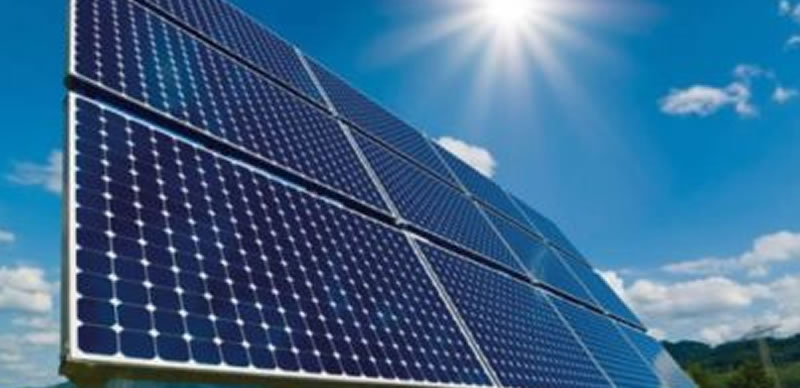
Nigeria is ramping up its long-term power ambitions with plans to reach 209,000 megawatts of electricity generation capacity by 2050, supported by a wave of renewable energy investments, particularly solar, according to a report by IIR.
The Punch reported that central to this push are 53 large-scale solar power projects valued at about $11bn, which IIR says are currently being tracked across the country.
The developments are part of an expanding pipeline of clean energy investments aimed at improving electricity supply and expanding access, especially in underserved and rural communities.
The report notes that growing investor participation is driving momentum in Nigeria’s renewable energy space, with solar emerging as a key pillar of the country’s future energy mix.
These utility-scale projects are expected to play a major role in supporting Nigeria’s broader energy transition strategy.
Alongside grid-scale developments, Nigeria is also accelerating decentralised electrification through solar mini-grids and off-grid solutions.
Under a nationwide programme led by the Rural Electrification Agency, the Federal Government is deploying more than 1,300 solar mini-grids and off-grid systems to expand access to electricity in remote and underserved areas.
The initiative also includes 250 interconnected mini-grids designed to feed directly into the national grid, with the aim of improving stability while reducing dependence on diesel generators in off-grid locations.
It is backed by $750m in public funding and is projected to mobilise an additional $1.1bn in private investment, according to the REA.
Commenting on the programme, Abba Aliyu described it as a landmark intervention in the country’s electricity sector.
“For the first time, we are witnessing the implementation of the biggest publicly funded renewable electricity project in the entire world. It is a $750m project that will catalyse $1.1bn in private sector funding to deploy 1,350 mini-grids across the country,” he said.
Aliyu further stressed the government’s renewed focus on renewable energy as a central pillar of national electrification efforts, adding, “For the first time in the history of the country, the Federal Government is positioning the renewable energy sector of the Nigerian economy as the alternative source of electricity in the country. It’s the easiest and most economically viable means of powering the country, and we have an abundance of renewable energy sources. Bola Tinubu is positioning Nigeria now to be the renewable hub of Africa, and there is a structured programme which will see 17.5 million Nigerians (20 per cent of the population) provided with electricity in just three years,” Aliyu said.
Available data shows that Nigeria has already made notable progress in rolling out mini-grid infrastructure, with over 1,000 systems installed nationwide—more than half of them funded by the REA.
The country’s Distributed Access through Renewable Energy Scale-up programme, supported by the World Bank, is also helping to speed up rural electrification through solar mini-grids, standalone systems, and energy storage solutions.
The initiative is expected to phase out over 250,000 diesel generators while significantly expanding access to clean and reliable power across communities.
According to the Global Solar Council, Nigeria added 803MW of solar capacity in 2025, increasing total installed solar capacity to about 1,019MW.
This expansion aligns with broader continental efforts such as the World Bank-backed Mission 300 initiative, which aims to provide electricity access to 300 million Africans by 2030. Since its launch in January 2025, the programme has reportedly connected 44 million people across the continent.
Although gas-fired plants still dominate Nigeria’s electricity generation mix, renewables now account for roughly 23 per cent, driven largely by hydropower and solar projects.
The Federal Government has set targets of 30 per cent renewable energy contribution by 2030 and 82 per cent by 2050, in line with its net-zero 2060 commitment. Most future capacity growth is expected to come from solar, with Nigeria projecting 209,000MW of installed solar capacity by mid-century.