Nigeria’s national electricity grid has collapsed again, marking the second system failure within four days and deepening concerns over the stability of the country’s power infrastructure.
Data obtained by The PUNCH showed that electricity generation plunged sharply on Tuesday, dropping from about 3,825 megawatts at 10:00 a.m. to as low as 39 megawatts by 11:00 a.m. Earlier in the day, generation had reportedly peaked at 4,762 megawatts around 6:00 a.m.
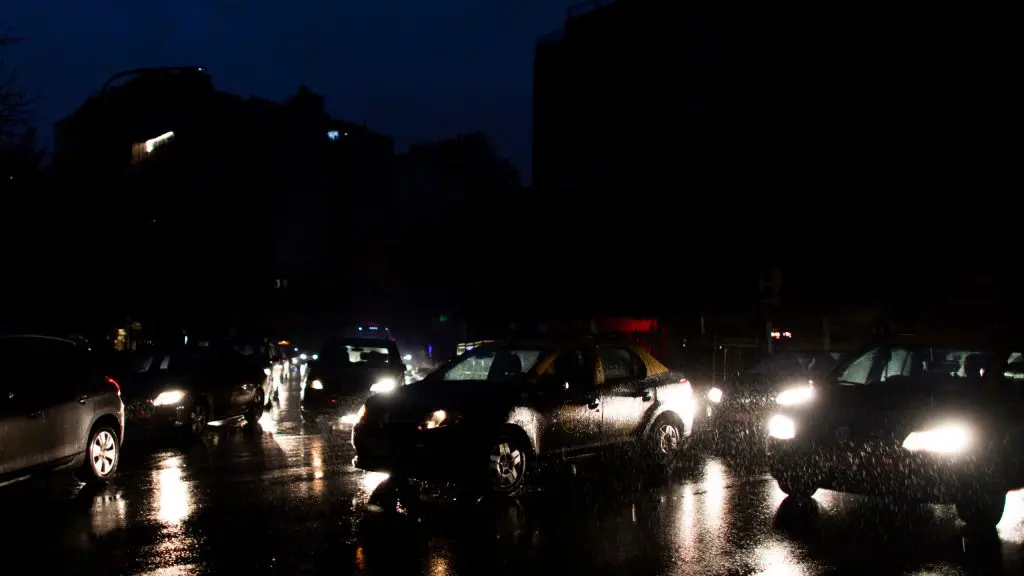
The collapse led to a nationwide blackout, with electricity distribution companies recording zero load allocation at the time of the incident.
Confirming the outage, Eko Electricity Distribution Company (EkoDisCo) informed its customers that the disruption was caused by a system collapse on the national grid.
In a statement, the company said, “Kindly be informed that there was a system collapse at 10:48 hours, which resulted in a loss of power supply across our network.”
It added that efforts were underway to restore supply, noting, “We are currently working with our TCN partners and hope for a speedy restoration of the grid. Customers are kindly urged to bear with us.”
Meanwhile, the Nigerian Independent System Operator confirmed that the outage occurred at about 12:40 p.m., following the simultaneous tripping of several 330kV transmission lines.
However, as of the time of filing this report, the operator had yet to disclose the specific cause of Tuesday’s collapse.
The latest incident is the second grid failure recorded in January 2026 and the third in less than one month. The national grid previously collapsed on December 29, 2025, and again on Friday, January 23, 2026.
Reacting to the earlier collapse, NISO had stated that the disturbances resulted in a total shutdown of the interconnected power network nationwide.
“The Nigerian Independent System Operator wishes to inform the public that the national grid experienced a system-wide disturbance, which resulted in a total outage across the network,” the agency said in a previous statement.
The recurring grid failures have continued to raise concerns among electricity consumers and industry stakeholders over the reliability of Nigeria’s power supply system.