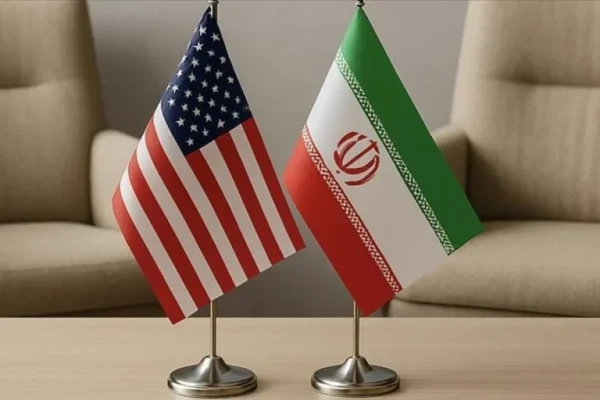
Iran has targeted a United States military installation in Bahrain for the first time in more than two months, amid growing tensions between Tehran and Washington over the stalled negotiations to end their conflict.
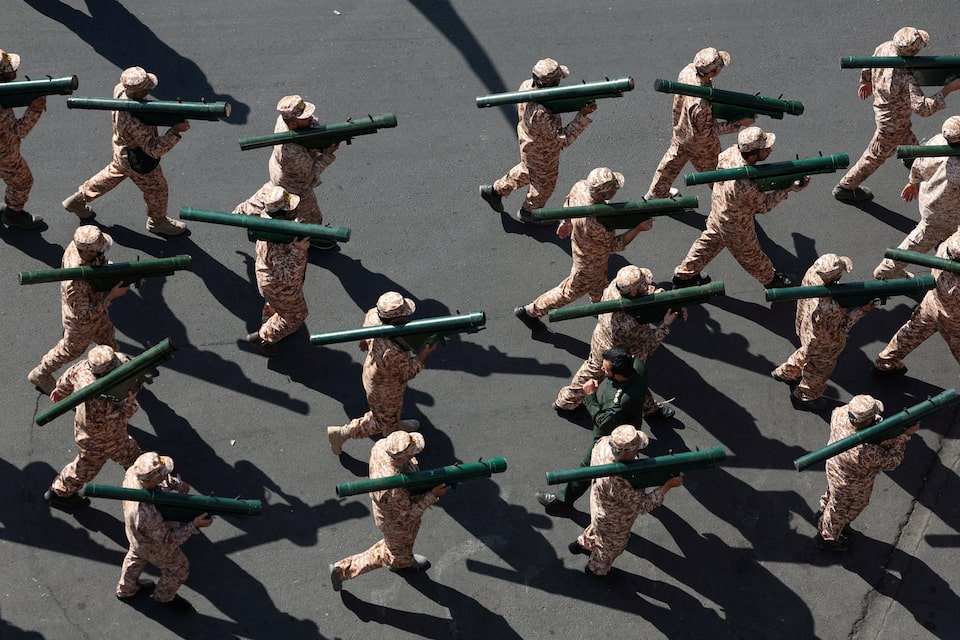
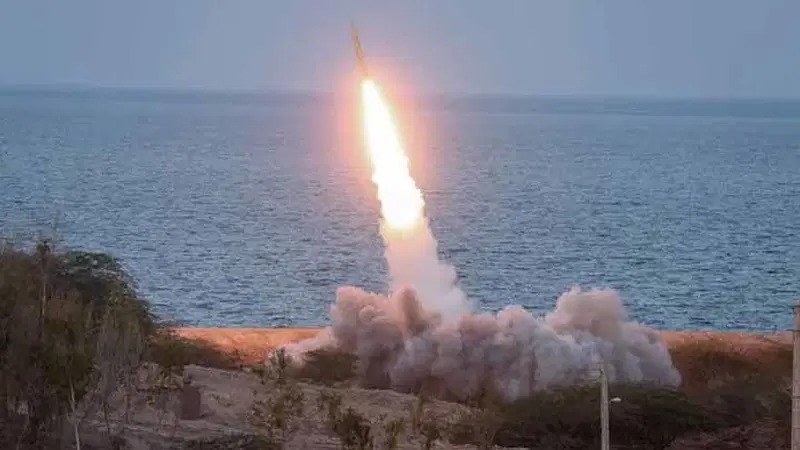
The Iranian Islamic Revolutionary Guard Corps said it launched the attack early Friday in retaliation for what it described as an American strike on Iranian territory.
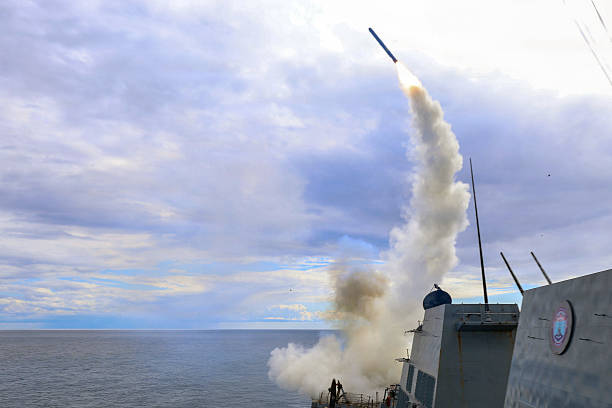
However, the US Central Command said its forces intercepted two Iranian drones heading towards Bahrain, adding that the incident caused no injuries or damage.
The IRGC, in a statement reported by the semi-official Tasnim news agency, claimed its aerospace forces had struck an American radar installation in Bahrain.
“A few hours ago, the IRGC’s aerospace forces, in response to the enemy’s aerial aggression against a communication tower in Sirik, targeted and destroyed the early warning radar of the aggressor US military in Bahrain,” the statement said.
The Iranian military organisation added that “this is a serious warning” to Washington.
CENTCOM, however, dismissed Tehran’s claim that it had successfully attacked a radar system, describing the allegation as false.
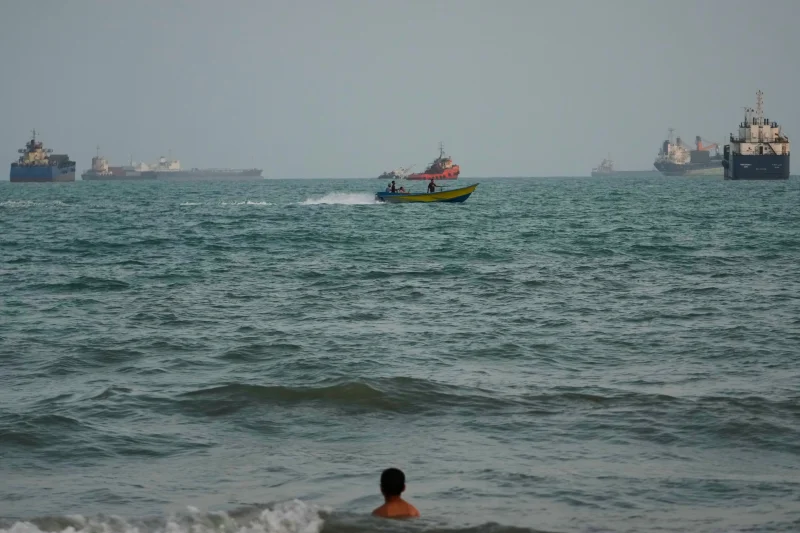
The development comes amid escalating hostilities in the region, with the US continuing to strike Iranian targets around the Strait of Hormuz in recent weeks.
Tehran had largely avoided targeting American military installations in Gulf countries since early September, concentrating instead on disrupting maritime activities in the strategic waterway.
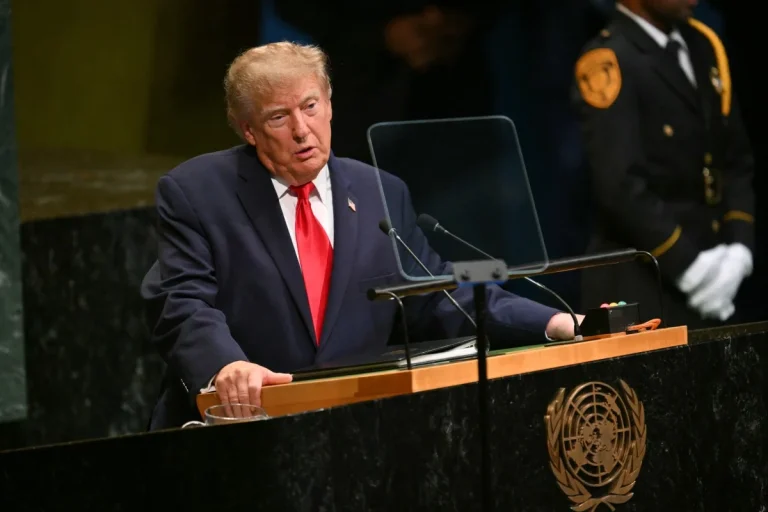
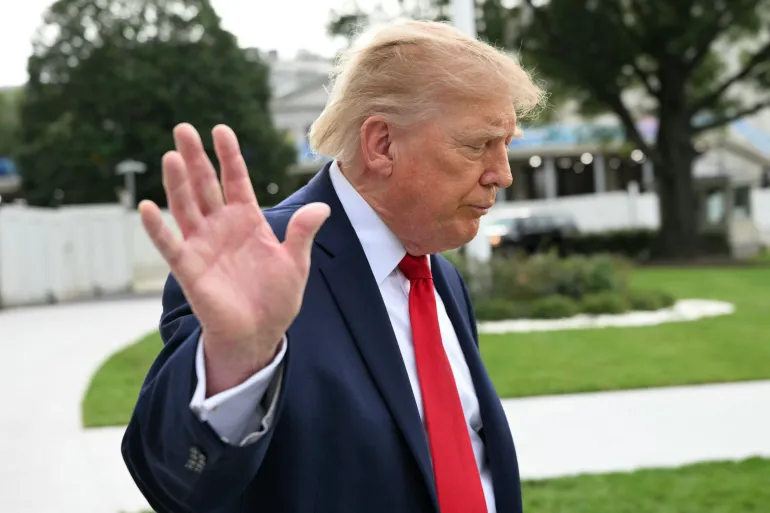
The attack also followed US President Donald Trump’s declaration that Washington no longer needed an agreement with Iran, a move that further diminished hopes of a diplomatic resolution.
“We don’t need a deal with Iran. Those days have long since passed!” Trump posted on Truth Social. “We’ve got their money, Hundreds of Billions of Dollars, and we’ve got their Strait!”
Trump also directed Vice President JD Vance, who had been leading negotiations with Tehran, to shift his attention to tackling corruption and crime in Democratic-controlled states and cities.
Meanwhile, Israeli Prime Minister Benjamin Netanyahu has reportedly been pushing the Trump administration to resume military operations against Iran.
Two Israeli sources said Netanyahu had also considered launching a unilateral strike, although such an operation would require approval from Trump.
The conflict has also intensified around the Strait of Hormuz, a critical global shipping route. According to Lloyd’s List, October recorded 37 attacks on vessels, the highest monthly figure since the war began, while at least 14 additional attacks were confirmed in November.
Despite the disruptions, oil shipments through the waterway have continued, with Middle Eastern exports recovering faster than global demand.
The International Energy Agency said Friday that the oil market was “showing tentative signs of rebalancing,” as global supplies exceeded demand for the first time since the outbreak of the war.
Iran has warned that any further escalation could trigger a broader response, including attacks on American interests as far away as Europe.