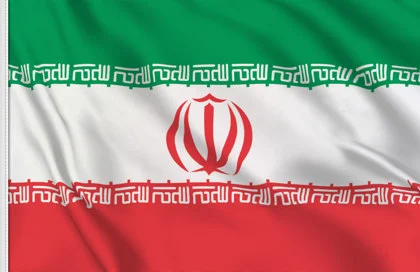
Iran has proposed forming a regional consortium involving Middle Eastern countries such as Saudi Arabia and the United Arab Emirates to collectively enrich uranium, an initiative aimed at easing United States concerns over Tehran’s ongoing nuclear activities.
The idea, which would see enrichment remain in Iran but under a shared framework, is being promoted as a diplomatic gesture by Tehran.
Iranian officials believe that by involving regional powers, they could reinforce the legitimacy of their enrichment programme and demonstrate its peaceful intent.
Tehran views the consortium as a compromise. In sharing its nuclear expertise and infrastructure, Iran would effectively make its neighbours stakeholders in the process, offering a new layer of transparency and regional oversight.
While it remains unclear whether Iranian Deputy Foreign Minister Abbas Araghchi presented the proposal during his recent three-hour meeting with U.S. officials in Oman, the fourth in a series of such discussions, the plan is reportedly gaining traction within Iranian political circles.
Following the Oman talks, Araghchi traveled to Dubai, where he held discussions with the UAE’s Foreign Minister, Sheikh Abdullah bin Zayed Al Nahyan.
The UAE does not currently enrich uranium for its civil nuclear programme.
Under the proposed arrangement, uranium enrichment would remain capped at the 3.67% level defined by the 2015 nuclear agreement between Iran and six world powers, a deal U.S. President Donald Trump withdrew from in 2018.
The U.S. has since demanded a complete halt to Iran’s enrichment activities and the dismantling of its nuclear infrastructure.
However, despite divisions in Washington, Trump has yet to adopt a firm stance on the issue, even offering measured praise for Iran’s “seriousness” in the negotiations.
The consortium concept isn’t new. It was originally floated by former Iranian nuclear negotiator Seyed Hossein Mousavian and Princeton physicist Frank von Hippel in a widely cited October 2023 article in the Bulletin of the Atomic Scientists.
Their vision included Saudi Arabia and the UAE as financial backers and technology partners, enhancing trust in Iran’s peaceful intentions.
By allowing engineers from these Gulf states to participate directly at Iranian nuclear sites, the arrangement would introduce an additional layer of oversight, beyond inspections by the International Atomic Energy Agency to reassure the global community.
Since the U.S. exit from the 2015 agreement, Iran has scaled back its compliance, citing Washington’s withdrawal as justification.
“For a limited period of time, we can accept a series of restrictions on the level and volume of enrichment,” said Majid Takht-Ravanchi, Iran’s deputy foreign minister.
Though the U.S. had initially hinted at securing a deal within two months of restarting talks, the growing complexity of technical issues may stretch negotiations into the summer.
Currently, Iran enriches uranium to 60% purity, well above the 3.67% cap from the 2015 deal and edging close to the 90% threshold required for weapons-grade material.
U.S. Secretary of State Marco Rubio has criticized Iran’s enrichment levels, noting they far exceed what’s needed for peaceful purposes.
Meanwhile, Omani Foreign Minister Badr Al Busaidi alluded to the Iranian proposal in a recent statement, highlighting “useful and original ideas reflecting a shared wish to reach an honourable agreement.”
The UAE’s Barakah nuclear plant, located west of Abu Dhabi, remains the Arab world’s only fully operational nuclear facility, with all four reactors online. It is expected to generate up to 25% of the country’s electricity demand.