Iran’s top police chief, Ahmad-Reza Radan, has issued a stern warning to demonstrators, saying anyone who backs the country’s adversaries during the ongoing Middle East conflict will be treated as an enemy of the state.
Speaking in remarks broadcast late Tuesday by state television Islamic Republic of Iran Broadcasting, Radan cautioned that authorities would no longer view such individuals simply as protesters.
“If anyone comes forward in line with the wishes of the enemy, we will no longer see them as merely a protester, we will see them as an enemy,” he said.
“And we will do to them what we do to an enemy. We will deal with them in the same way we deal with enemies,” he added.
The police chief stressed that security forces were fully prepared to defend the country’s political system.
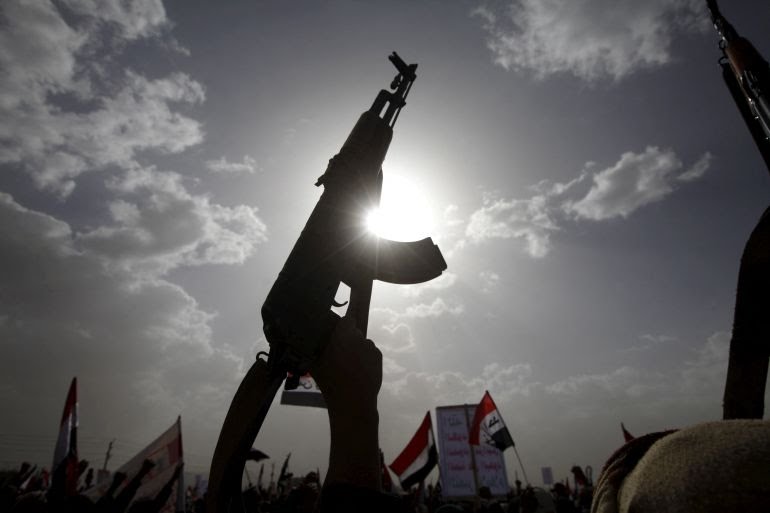
“All our forces are also ready, with their hands on the trigger, prepared to defend their revolution.”
His remarks come amid fears that the ongoing regional war could trigger fresh anti-government demonstrations in Iran, months after authorities suppressed protests that erupted earlier in the year over worsening economic conditions in the sanctions-hit nation.
Officials described those demonstrations as “riots,” and Radan had previously warned participants to surrender or face severe legal consequences.
Iranian authorities say more than 3,000 people died during the unrest, including security personnel and civilians, insisting that much of the violence stemmed from “terrorist acts” encouraged by the country’s enemies.
However, the US-based Human Rights Activists News Agency disputes that figure, claiming the death toll exceeded 7,000, with most of the victims believed to be protesters.
The group also reports that over 50,000 people were arrested during the crackdown.
Meanwhile, United States President, Donald Trump, initially voiced support for the demonstrators and warned Washington could intervene on their behalf as the government moved to quell the protests.
His focus later shifted toward Iran’s nuclear programme.
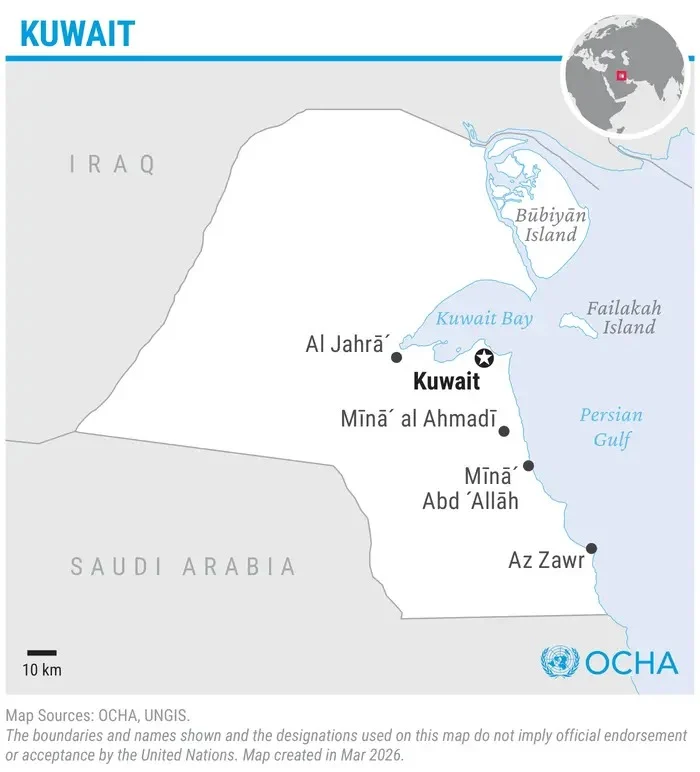
Tensions escalated further after the United States and Israel carried out coordinated strikes on Iran on February 28, prompting retaliatory attacks by Tehran targeting Israel and US military bases across the Gulf region.