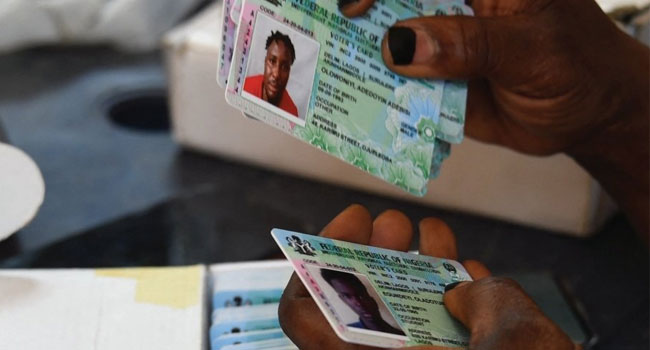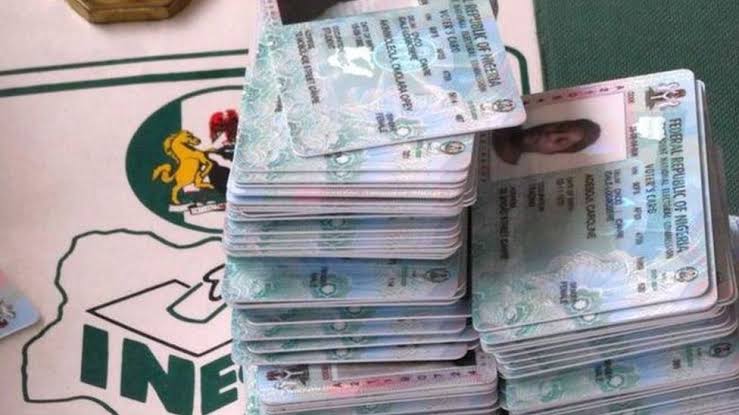
The Independent National Electoral Commission has attributed the delay in distributing 2.9 million Permanent Voter Cards to overseas production, urging Nigerians who registered during the third phase of the Continuous Voter Registration exercise to exercise patience.
The commission said some of the cards were already being delivered and would be sent to states from next week, while distribution of previously produced PVCs and transferred cards continued nationwide.
INEC Chairman, Prof Joash Amupitan, SAN, disclosed this on Monday during a press briefing in Abuja.
He said the distribution of PVCs from the first and second phases of registration, as well as transferred cards, was ongoing at local government offices across the country.
According to him, the exercise would return to Registration Areas nationwide from December 1, 2026.
“We appeal to those that registered in the third phase to be a little bit patient since the production is done outside the country,” Amupitan said.
The commission recorded 2,970,257 registrations during the third phase before conducting its de-duplication process.
INEC removes 1.6 million invalid voter records
The commission also announced the removal of 1,608,660 invalid registrations and 873 records of verified deceased voters from the national register following a review of the 2025/2026 CVR exercise.
Amupitan said the clean-up followed complaints over suspicious entries in the preliminary voters’ register displayed nationwide between October 9 and 15, 2026.
The irregularities identified included duplicate registrations, unusual names and suspected manipulated photographs.
INEC said it received 11,088,238 registration records across the three phases of the exercise, with its Automated Biometric Identification System initially flagging 1,545,052 entries for further scrutiny.
However, the chairman clarified that being flagged by the system did not automatically mean a registration was invalid, as each record was subjected to additional verification.
Following public complaints, the commission examined another 268,000 cases, invalidating 217,722 registrations while confirming 50,278 as genuine.
Further screening also uncovered 113,886 additional invalid entries.
INEC said the clean-up of the 2025/2026 registration records had been concluded, although final reconciliation and quality checks were ongoing ahead of the publication of the final voters’ register on December 15, 2026.
54 INEC officials face possible prosecution
The commission disclosed that 54 officials in 10 states had been identified over alleged involvement in registration irregularities.
Amupitan said investigations revealed cases where registration officials allegedly bypassed established procedures and abused special provisions meant for exceptional circumstances, including the registration of persons with disabilities.
He said the affected records and officials had been identified for further investigation, adding that disciplinary measures and possible prosecution would be pursued where necessary.
The commission also acknowledged that complaints about missing names on the voters’ register were not limited to recent registrations.
According to Amupitan, some affected Nigerians had registered between 2011 and 2023 but subsequently registered again after relocating instead of applying for voter transfers.
INEC explained that the biometric system invalidated their subsequent registrations, leaving their original records at their former registration locations.
It advised such voters to check their previous registration areas to locate their names.
INEC assures voters ahead of 2027 elections
The commission said it would strengthen biometric verification and registration controls to address irregularities and safeguard the integrity of the voters’ register ahead of the 2027 general elections.
It also reaffirmed its commitment to using the Bimodal Voter Accreditation System for voter accreditation during the elections.
Under the system, voters are required to appear physically at their designated polling units for biometric verification using either fingerprints or facial recognition.
INEC said the measures were aimed at preventing multiple voting and unauthorised accreditation as preparations for the 2027 elections continue.