The Federal Government has commenced a five-day, multi-agency crisis response simulation in Delta State to assess and improve the country’s preparedness for emergencies and security threats.
The exercise, tagged Rapid Response 3 Crisis Response Exercise 2026, began in Asaba on Monday and is scheduled to end on Friday, September 11.
The Office of the National Security Adviser is coordinating the exercise, which involves government agencies responsible for crisis management and emergency response.
The Director of the Presidential Command and Control Centre, ONSA, Rear Admiral Adedotun Ayo-Vaughan, disclosed this in a statement on Monday.
He said the simulation was designed to evaluate existing emergency response plans, procedures and coordination mechanisms, while also testing the operational readiness of participating agencies.
According to him, the exercise would focus on strengthening communication, inter-agency collaboration, command and control, rapid deployment and the effective management of complex emergencies.
Ayo-Vaughan said, “Rapid Response 3 is the codename of the 2026 crisis response exercise organised by the Office of the National Security Adviser. The exercise is a scheduled multi-agency simulation exercise designed to evaluate and strengthen Nigeria’s preparedness and capacity to respond effectively to complex emergencies and security-related incidents.”
He explained that participating agencies would operate under the Gold, Silver and Bronze command structure established by the National Crisis Management Doctrine.
The ONSA official noted that the scenarios had been carefully developed to test how quickly the agencies could mobilise, coordinate their responses and manage the aftermath of a crisis.
He stressed that the activities were simulations and should not be mistaken for real security emergencies.
Ayo-Vaughan also disclosed that the Delta exercise marked the first time the ONSA was taking the crisis response simulation outside the Federal Capital Territory.
He said the venues were selected after reconnaissance missions to ensure they could realistically replicate emergency situations and allow the exercise to run effectively.
The exercise will be implemented in four phases over the five-day period. The first two days will focus on training, while Thursday will serve as the main exercise day. An after-action review will be conducted on Friday to evaluate the performance of the participating agencies and document lessons learnt.
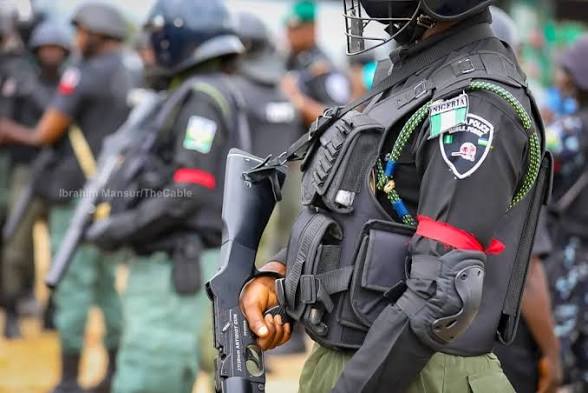
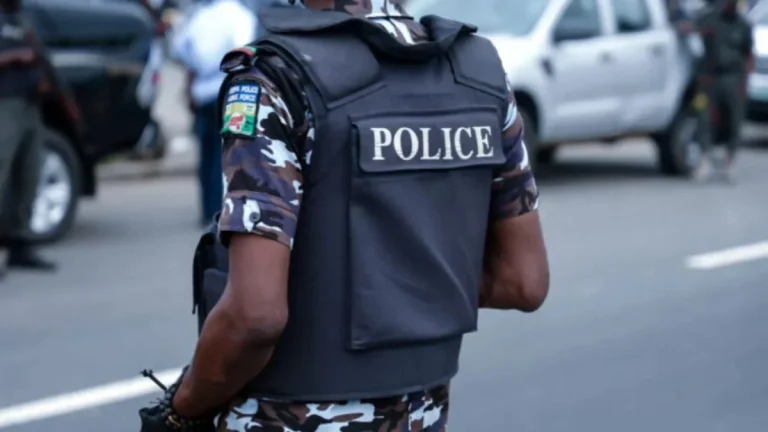
The ONSA director urged residents to remain calm, warning that the simulation would involve significant movements of security personnel, vehicles and emergency response teams.
He said, “There will be heavy movements of security vehicles, personnel, emergency response teams, and other exercise-related activities within designated areas. These activities are part of the simulation and should not be misconstrued as an actual crisis.”
He added that residents had been notified through text messages and radio announcements to help them distinguish the exercise from genuine emergencies.
Ayo-Vaughan further appealed to journalists and media organisations to rely on verified information when reporting the exercise.
He said, “The media has an important role in the success of this exercise. Please report only verified information and avoid disseminating unconfirmed reports or information capable of causing public panic.”
Only accredited journalists will be allowed to cover the exercise, according to the ONSA, while security arrangements have been made to protect participants, observers, accredited media personnel and residents within the designated areas.
Ayo-Vaughan said the simulation would provide an opportunity to identify weaknesses in Nigeria’s crisis management system and improve coordination among agencies.
He stated, “The 2026 Rapid Response 3 Crisis Response Exercise provides an important opportunity to assess our collective preparedness, strengthen inter-agency coordination and identify areas requiring further improvement in Nigeria’s crisis management architecture.”