The European Union and the United Kingdom on Monday imposed coordinated sanctions on Russia over a series of cyber attacks across Europe, accusing Moscow’s Federal Security Service of playing a key role in the operations.
The joint action comes as Western governments warn that Russia has intensified its hybrid warfare campaign aimed at destabilising European nations more than four years into the war in Ukraine.
The EU announced sanctions against nine individuals and four organisations, while the UK added 24 individuals and entities to its sanctions list.
According to the British government, the measures—the first joint cyber sanctions package introduced with the EU—“target the Russian state’s persistent and increasingly reckless attempts to sow chaos and division across Europe”.
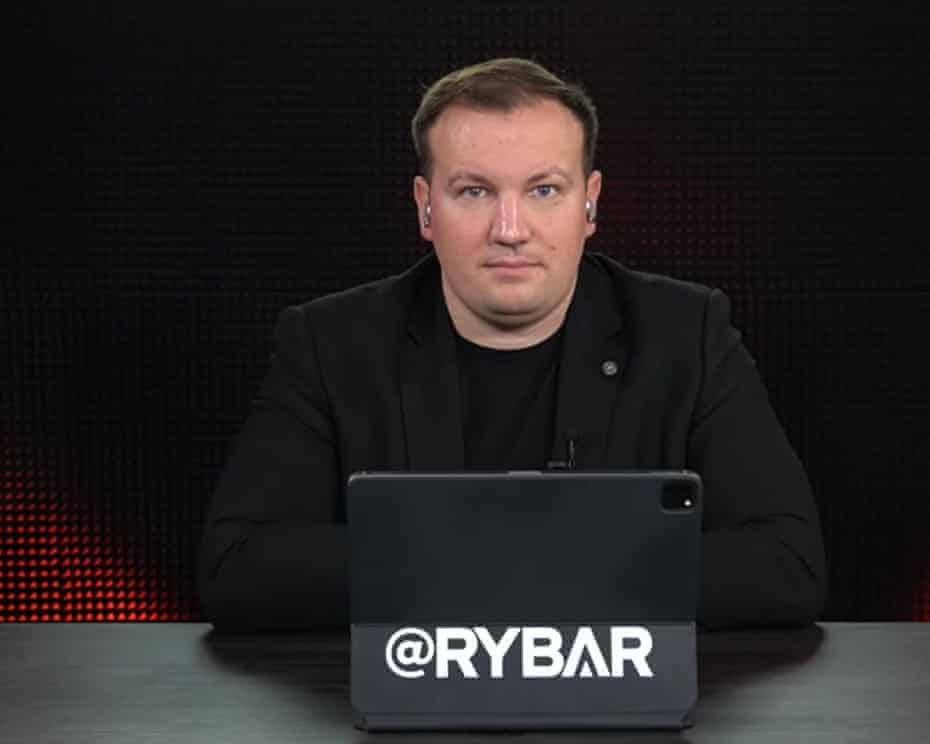
Those sanctioned include officers linked to Russia’s GRU military intelligence agency, as well as alleged cybercriminals accused of collaborating with the Russian state. The penalties include asset freezes and travel bans.
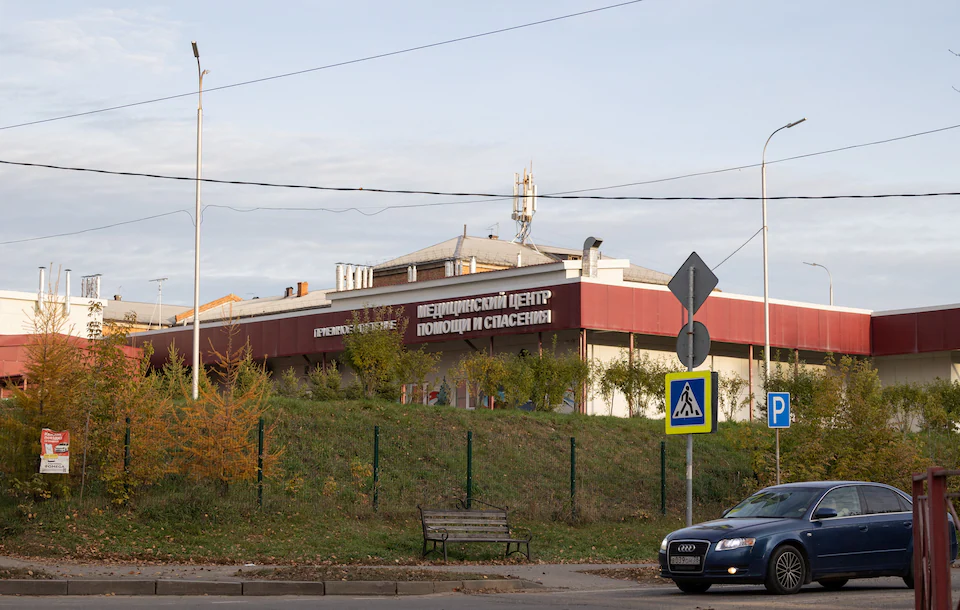
The EU and Britain also accused the FSB’s Centre 16 cyber unit of orchestrating a recent attempted attack on Poland’s critical infrastructure, including its electricity network, describing it as part of a broader campaign of cyber operations.
“This reckless attack failed but could have caused 500,000 citizens to lose electricity in the depths of winter,” the British Foreign Office said.
“It is another example of the Russian state’s irresponsible attempts to sow chaos across Europe.”
In response to the alleged attacks, the EU and several member states said they would summon Russian diplomatic representatives to formally protest the incidents.
French Foreign Minister Jean-Noel Barrot said the cyber attacks had targeted government ministries, businesses and key service providers, with the objective “either of capturing information or sabotaging operations, for example rail infrastructure, as was the case in Poland”.
France’s foreign ministry also disclosed that one of the sanctioned groups had “claimed destabilising actions against the Paris 2024 Olympics.”
The EU said the long-running cyber campaign had affected several member states, including France, Germany, Poland, Cyprus, the Netherlands, Austria, Slovakia, Romania and Finland.
Western intelligence agencies have previously accused the FSB’s Centre 16 of deploying malware for decades in attempts to infiltrate and spy on governments around the world.
Since Russia launched its invasion of Ukraine in 2022, Britain and the European Union have remained among the leading supporters of sanctions designed to increase pressure on Moscow.