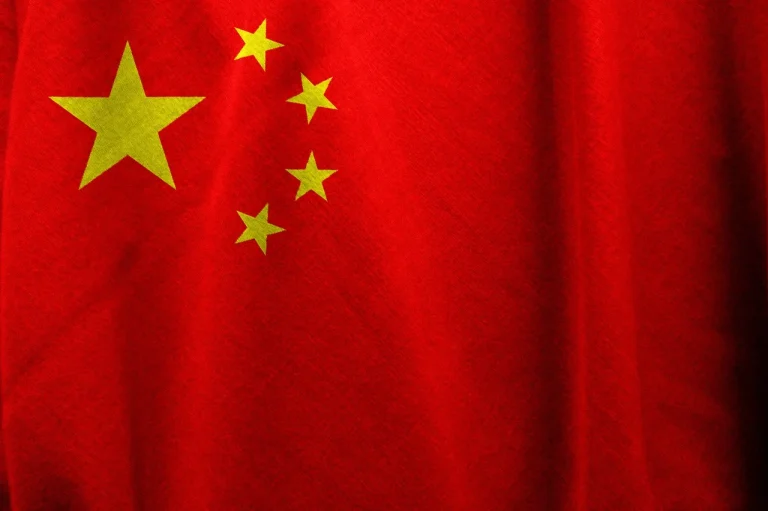
China has voiced its opposition to potential new sanctions against Iran over its nuclear program, following warnings from Britain, France, and Germany that they would reimpose measures if no diplomatic solution is reached by late August.
Foreign Ministry spokesman Lin Jian stated on Friday that China “opposes invoking” sanctions, adding that such actions “do not help parties build trust and bridge differences and are not conducive to the diplomatic effort for the early resumption of talks.”
The dispute stems from the 2015 nuclear deal, which eased sanctions on Iran in exchange for restrictions on its nuclear activities. The agreement is set to expire in October, and under its terms, any party can restore sanctions if violations occur. On Wednesday, the foreign ministers of the E3 group—Britain, France, and Germany—sent a joint letter to UN Secretary-General António Guterres and the Security Council, declaring their commitment to preventing Iran from developing nuclear weapons.
“We are committed to using all diplomatic tools at our disposal to ensure Iran does not develop a nuclear weapon,” the E3 ministers wrote.
Iran, however, has pushed back against the threat, with Foreign Minister Abbas Araghchi stating on Thursday that Tehran is working with China and Russia to block the sanctions’ return. “We will try to prevent it,” Araghchi told state TV. “If this does not work and they apply it, we have tools to respond. We will discuss them in due course.”
Last month, Araghchi sent a letter to the UN arguing that the European nations lack the legal authority to reinstate sanctions. China echoed this stance, with Lin emphasizing that any Security Council actions should facilitate new agreements rather than undermine negotiations.
The escalating tensions come as time runs out on the 2015 deal, raising concerns about a renewed standoff over Iran’s nuclear ambitions. While Western powers seek to maintain pressure, China and Russia are positioning themselves as mediators, urging diplomacy over punitive measures.