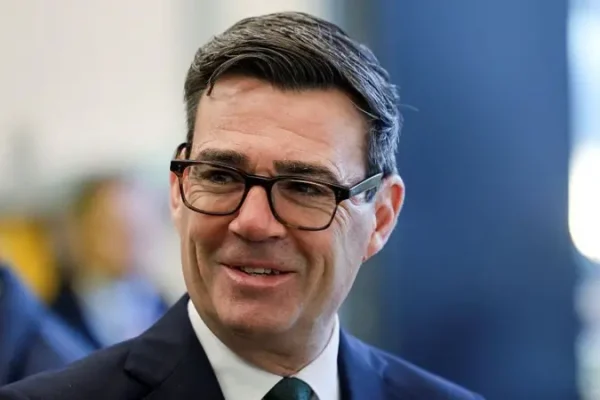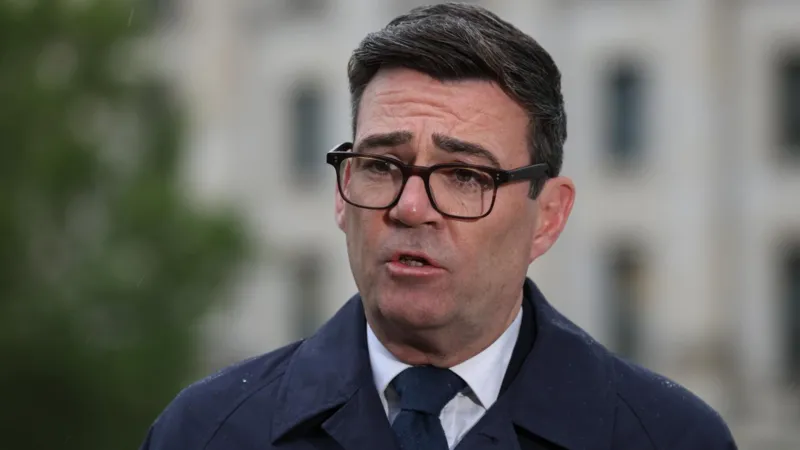
United Kingdom Prime Minister, Andy Burnham, has said he is open to an “honest discussion” about restoring freedom of movement between the United Kingdom and the European Union, signalling a possible shift in post-Brexit relations.
Burnham told the Sunday Times that Britain should consider developing a new relationship with Brussels, potentially involving rejoining the EU or entering the single market, arrangements that would require free movement.
“I think you have to have a very factual, quite evidence-based debate about this,” he said.
However, his comments have drawn criticism from opposition politicians, with Shadow Home Secretary Chris Philp ruling out any return to the policy, while Reform UK leader Nigel Farage accused the prime minister of betraying voters who supported Brexit.
Burnham has previously pledged to uphold Labour’s 2024 election manifesto, which rejected the restoration of free movement, membership of the EU single market and a customs union.
He has also maintained that any fundamental change to Britain’s relationship with the bloc would require a mandate at a general election, which must be held by 2029.
Freedom of movement was a major issue during the 2016 Brexit referendum campaign, with supporters of leaving the EU arguing against rules that allowed citizens of member states to live and work in the UK.
However, Burnham argued that migration patterns during Britain’s EU membership differed from the situation today, noting that many European migrants previously arrived for a limited period before returning to their home countries.
“It was generally younger people, not always, but spending a few years, then going back,” he said.
“And obviously the ease of that worked for British people as well.”
The prime minister acknowledged that the policy had presented difficulties but insisted that the nature of migration had changed since Britain left the bloc.
“Revolving door migration where people would come and then go back is different,” he said.
“The balance of migration has changed, hasn’t it, since then? I think we’ve just got to have an honest discussion about those things.”
Burnham’s latest comments follow his September interview with the BBC, during which he said Britain could go “all the way” towards rejoining the European Union.
However, he ruled out supporting a return to the euro or joining the Schengen Area, which allows passport-free travel across participating European countries.
“I can’t see myself ever recommending anything that would involve joining the euro or Schengen,” he said.
The remarks come ahead of Burnham’s planned meeting with EU leaders at a summit in Brussels on November 20, where he is expected to present proposals for resetting Britain’s relationship with the bloc.
Reacting to the prime minister’s position, Philp argued that restoring freedom of movement would undermine Britain’s control over immigration.
“The British people voted to end free movement, and there can be no return to it,” he said.
Burnham won the Makerfield parliamentary by-election in June before becoming prime minister the following month.
The constituency voted to leave the European Union in the 2016 referendum.
During his by-election campaign, he had promised not to “re-run” Brexit arguments and said he was “not proposing that the UK considers rejoining the EU”.
Farage also condemned the prime minister’s latest remarks, describing them as a betrayal of Brexit supporters.
“This is a total betrayal of Brexit Britain and his Makerfield pitch,” he said.
“He is also deluded to say immigration was different when we were members of the EU. We will fight this dishonesty,” the Reform UK leader added.