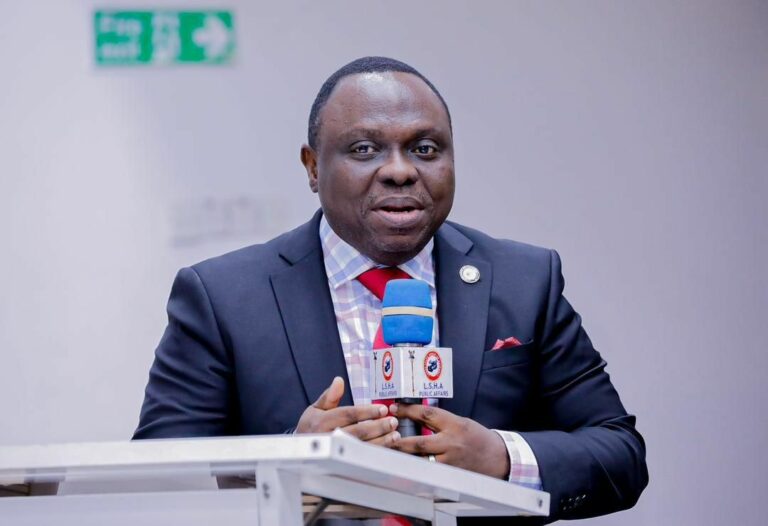
The Lagos State Government is set to convene electricity regulators, distribution companies, resellers and suppliers to address persistent power supply challenges and explore ways to achieve uninterrupted electricity across the state.
The Commissioner for Energy and Mineral Resources, Biodun Ogunleye, said the 2026 Lagos Energy Summit would provide a platform for stakeholders to identify the sector’s major challenges and proffer practical solutions to improve electricity supply.
Ogunleye disclosed this on Thursday during a press briefing ahead of the three-day summit scheduled to hold from November 10 to 12, 2026.
The ministry’s Permanent Secretary, Ibilola Kasumu, said the summit would adopt a different approach from previous editions by focusing on resolving specific challenges within the electricity industry rather than relying on conventional policy discussions and presentations.
“This summit is going to be different from the last one. It is not just going to be a talk shop. We are going to bring real problems to the table and look for solutions from different experts in this sector,” she said.
Kasumu said the initiative was aimed at developing strategies for dependable round-the-clock electricity supply in Lagos, with the possibility of extending the model to other parts of the country.
Ogunleye said the discussions would cover electricity sector reforms, energy efficiency, renewable energy, metering systems and alternative energy sources.
He also revealed that the state was engaging the Federal Government to define their respective regulatory roles and enhance Lagos’s oversight of its energy infrastructure.
The commissioner added that compressed natural gas and electric vehicles remained key components of the state’s clean energy and transportation plans.
The summit, themed “Lagos Energy Evolution: Transforming the Future”, will also showcase clean-energy innovations and prototypes developed by secondary school students, alongside participation from government officials, private investors, energy professionals, academics and innovators.