The medical team of the Independent Committee of Inquiry investigating the deaths of 37 suspected illegal miners in the custody of the Nigeria Security and Civil Defence Corps has commenced work to determine how and why the detainees died.
The committee said its medical experts would establish the cause, mechanism and manner of the deaths as part of efforts to unravel the circumstances surrounding the incident.
This was contained in a statement issued on Wednesday by the committee’s Secretary, Prof. Isa Hayatu Chiroma, SAN.
The panel said it held its inaugural meeting shortly after its inauguration and adopted a work plan to guide its investigation.
Chiroma said, “The Committee’s medical team has already begun work to determine the cause, mechanism and manner of the deaths.”
According to the committee, investigators would visit locations connected to the incident, engage relevant government agencies and speak with people who may have information about what happened.
It said, “The Committee will visit all relevant sites, engage with relevant government agencies, and interview survivors, suspects and other persons with material knowledge of the incident.”
The panel also plans to obtain relevant documents and other evidence that could help establish the facts surrounding the deaths.
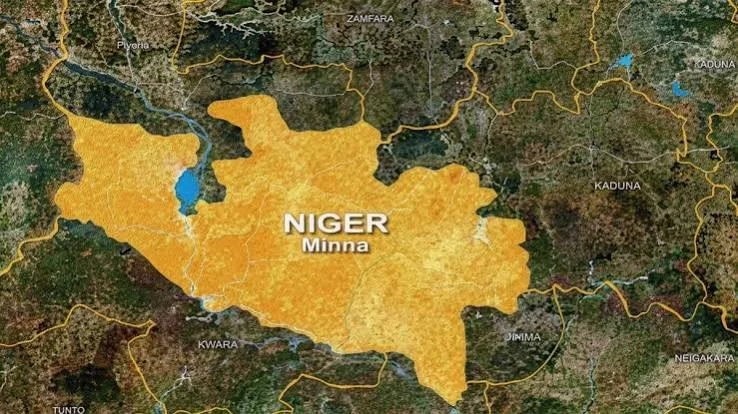
The 37 men reportedly died on September 17, 2026, while being held by the Niger State Command of the NSCDC following their arrest over suspected illegal mining. The circumstances and cause of the deaths have yet to be established.
The Federal Government inaugurated a 10-member committee on Tuesday following a directive from President Bola Tinubu to investigate the incident.
Inaugurating the panel, the Minister of Interior, Olubunmi Tunji-Ojo, directed it to establish the identities of the deceased and determine both the immediate and remote causes of their deaths.
The committee is also expected to examine the circumstances surrounding the arrests and detention of the men, including whether the detention facility complied with applicable laws, procedures and human rights standards.
The minister said the panel should determine “whether or not the deceased persons were tortured, inhumanely treated, or denied medical care or attention during their detention.”
It was further directed to investigate possible negligence or professional misconduct by officers involved in the detention.
Tunji-Ojo said the committee should “interview all relevant persons, including the officers involved, other detainees, families of the deceased, witnesses and medical personnel, and any other persons with relevant information.”
The minister also warned that anyone attempting to interfere with the investigation or compromise evidence would face consequences.
He said, “Any attempt by anybody to destroy or conceal evidence, intimidate witnesses, or obstruct this investigation will be treated as a serious offence against the nation, and it will not be tolerated.”
The committee has invited individuals and organisations with relevant information to submit memoranda as part of the inquiry.
It said details about the submission process, including the date and venue for physical presentations, would be announced later.
The panel pledged to conduct a “thorough, fair, transparent and evidence-based inquiry” and said it would keep the public informed as the investigation progresses.
The committee has two weeks to conclude its assignment and submit its report to the Minister of Interior.