Iran and Oman have postponed a meeting with other Gulf states on proposed shipping arrangements for the Strait of Hormuz following an attack on an Iranian cargo vessel near Qeshm Island.
The meeting, which was scheduled to take place in Muscat on Monday, was expected to discuss regional concerns, including the proposed management of safe shipping routes through the strategic waterway under an agreement between Iran and Oman.
Omani Foreign Minister Badr Albusaidi said the talks were delayed “in the interests of consensus”. “We remain committed to fostering dialogue that supports stability and lasting cooperation in our region,” he wrote on X.
An Iranian foreign ministry official said Tehran and Muscat jointly agreed to postpone the meeting after some regional countries requested a delay.
Iran will now coordinate with Oman to determine another date for the discussions.
Iran and Oman had recently agreed on new routes for ships passing through the Strait of Hormuz, according to the semi-official Tasnim news agency.
Under the proposed arrangement, vessels entering the Persian Gulf would use a route entirely within Iranian waters, while part of the outbound route would also pass through Iranian waters.
The plans were expected to be presented to other Gulf countries during the meeting.
However, the proposed arrangement does not amount to a reopening of the strait, as Iranian officials have maintained that several conditions must be met before the waterway can fully reopen.
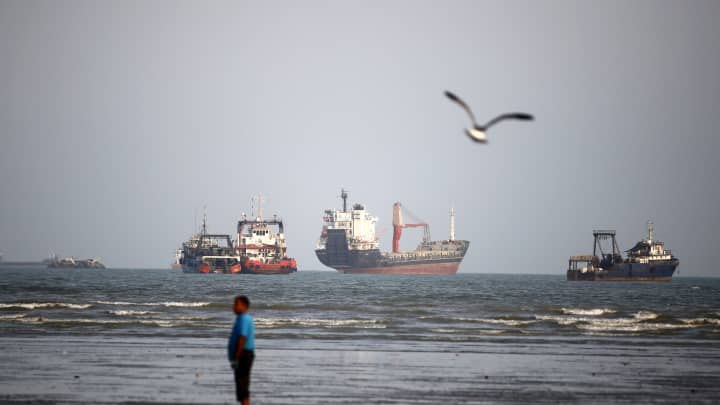
The postponement came after an Iranian commercial vessel was struck near the Strait of Hormuz early Sunday, according to Iranian state media.
One person was killed while four crew members were injured.
The UK Maritime Trade Operations agency said a vessel was hit by a projectile while travelling through the Strait of Hormuz, causing a fire that forced the crew to evacuate. It was not immediately established whether the incident was the same attack reported by Iranian authorities.
Iranian officials have also insisted that any reopening of the waterway would be subject to conditions agreed with Oman.
Iranian Foreign Minister Abbas Araghchi said the strait would not reopen until the United States met Tehran’s demands.
Commercial traffic through the Strait of Hormuz remains low.
The waterway is one of the world’s most important routes for transporting oil, making developments around it a major concern for global energy markets.
Before the postponement, Iraq was the only country to publicly confirm its planned attendance, according to Iraqi media.
Bahrain said it would not participate because it has no diplomatic relations with Tehran, while Saudi Arabia has sought changes to the Iran-Oman arrangement.
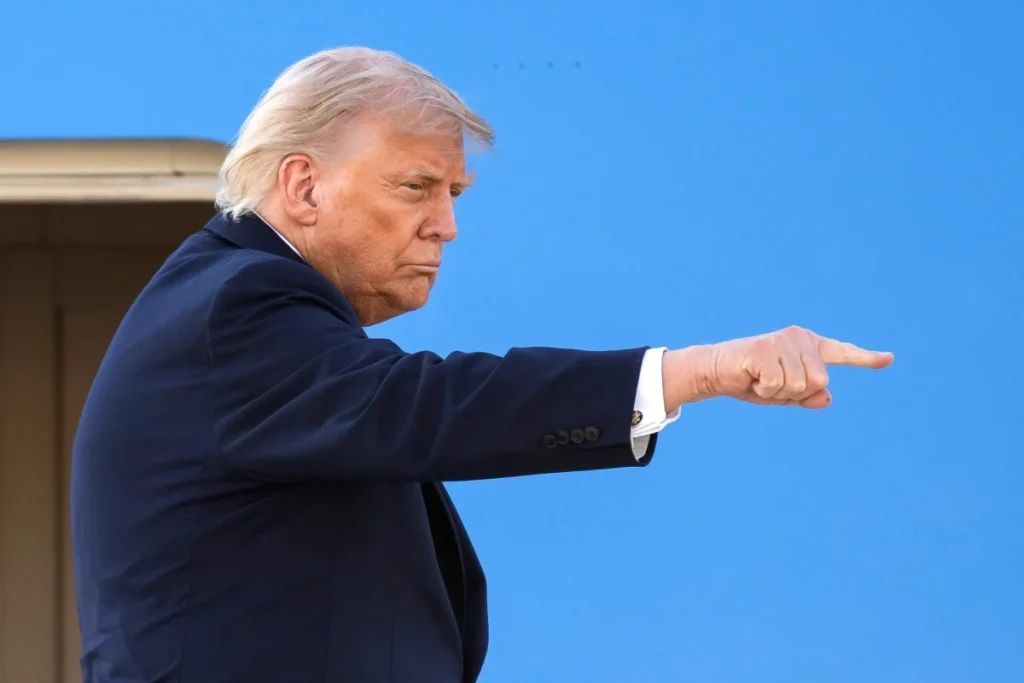
Meanwhile, US President, Donald Trump said Iran was seeking an agreement to end the conflict. “Iran wants to make a deal so bad,” Trump said on Sunday, adding that Iranian officials were “calling constantly”.
Trump also said he still expected the war involving Iran to end this year.
When asked whether the United States had attacked the Iranian cargo vessel near the Strait of Hormuz, he replied, “I don’t want to say.”
The latest developments have also affected global oil markets.
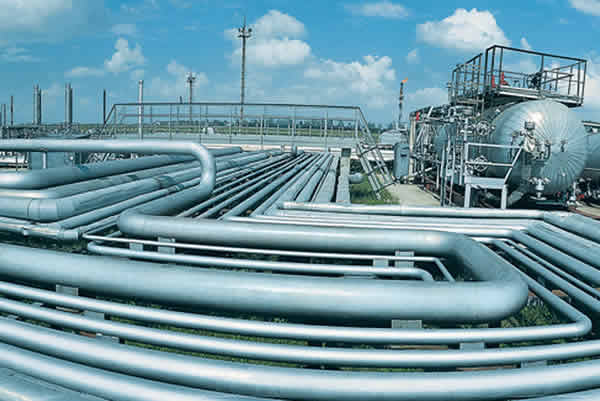
Oil prices rose after trading resumed on Monday following further disruptions to supplies, including damage to Saudi Arabia’s key east-west oil pipeline from drone strikes.
The pipeline provides Saudi Arabia with an alternative route for exporting crude without using the Strait of Hormuz.
A prolonged closure could put up to four per cent of global oil supply at risk, adding to disruptions caused by reduced shipping through the waterway.