Global oil prices surged on Thursday, with Brent crude climbing to $108 per barrel as escalating conflict in the Middle East raised fresh concerns about disruptions to supplies and shipping through key waterways.
Brent, the global oil benchmark, gained as much as 7.1 per cent to reach $108 before settling at $107.63, representing a 6.34 per cent daily increase.
It was the benchmark’s highest closing price since May 19 and its sharpest one-day rise in six weeks.
US crude also jumped, rising as much as 7.3 per cent to cross $103 per barrel before easing slightly to settle at $102.48, up 6.69 per cent.
The price marked its highest settlement since May 19 and the biggest daily increase in two months.
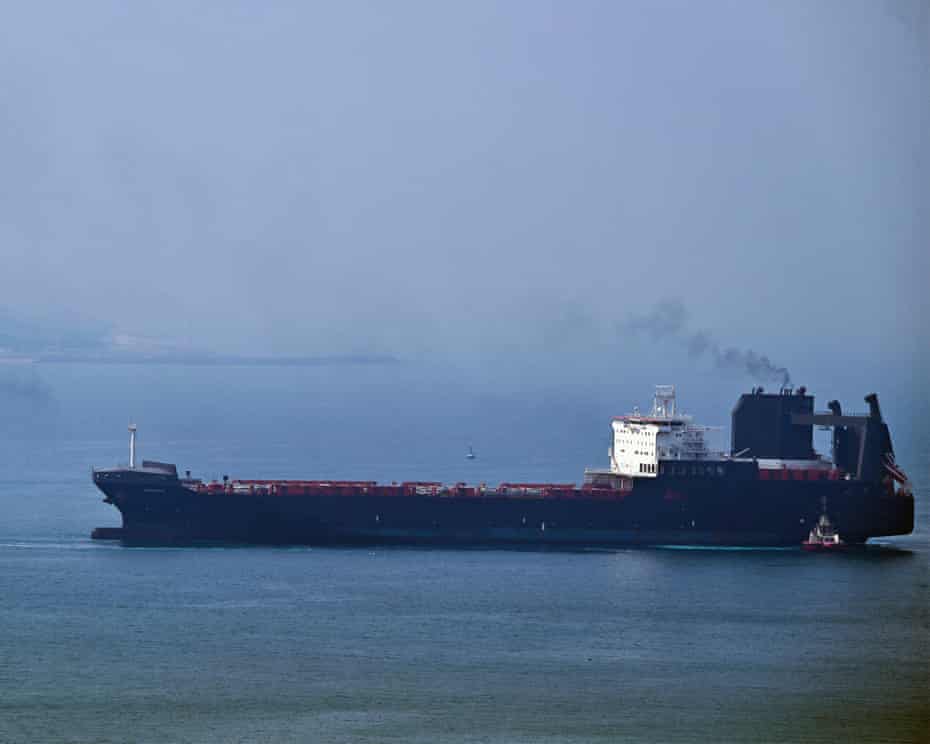
The renewed fighting has heightened fears that oil production and transportation could face further disruption, particularly around the Strait of Hormuz and the Red Sea.
Iran and the United States have exchanged strikes, while Iran-backed Houthis have attacked Saudi Arabia, increasing tensions around the Bab al-Mandab Strait.
“The step up in attacks in the Strait of Hormuz and by the Houthis against Saudi Arabia suggests that Iran and its proxies are trying to regain the initiative in the war,” Jason Tuvey, deputy chief emerging markets economist at Capital Economics, said in a note.
“This could set back the recovery in oil output in the Gulf and raises the risk that global energy prices rise even further in the coming weeks,” Tuvey said.
The outlook has also raised concerns about inflation and interest rates.
S&P Global Energy said it no longer expects Middle East oil production to return to pre-war levels by the end of next year and now projects oil prices could remain between $80 and $100 per barrel through 2027.
The development contrasts with US President Donald Trump’s prediction of a quick return to cheaper energy.
“Prices right after this very important election on November 3rd will be plummeting,” Trump said. “The war will be over very shortly after the election.”
Jim Burkhard, global head of crude oil research at S&P Global Energy, said the market is “not returning to calm.”
“It is adjusting to the new normal defined by unresolved conflict and persistent Maritime risk,” Burkhard said in the report.
The oil surge has also unsettled financial markets, with the 10-year US Treasury yield rising by more than 10 basis points to 4.97 per cent, its highest level since October 2023.
Investors are increasingly concerned that higher energy prices could fuel inflation and prompt central banks to maintain or raise interest rates.
Fresh US data showing that wholesale inflation accelerated in August further strengthened those concerns. Traders now put the probability of a Federal Reserve rate increase at 70 per cent at its meeting next week, compared with 61 per cent on Wednesday and 49 per cent a week earlier.
US stocks also extended their recent decline, with the major indexes falling for a fourth consecutive day.
The S&P 500 dropped about 0.6 per cent and is now more than 2.5 per cent below its August 13 record high.
The impact of the conflict is also being felt in refined fuel markets.
The national average diesel price reached a record $5.98 per gallon on Thursday, according to AAA data, increasing pressure on businesses and consumers.
Claudio Galimberti, chief economist at Rystad Energy, said the surge in refined petroleum products, particularly diesel, was more worrying than the increase in crude prices.
“When it comes to crude, the situation is actually less dangerous than it is in the oil products, specifically diesel,” Galimberti told CNN.
Higher bond yields are also pushing up borrowing costs, with mortgage rates reaching their highest level in 15 months.
The average 30-year fixed mortgage rate rose to 6.76 per cent this week, up from 6.35 per cent a year earlier.
In Europe, the European Central Bank raised its main interest rate by 0.25 percentage points to 2.5 per cent, its second increase this year, citing persistent inflationary pressure from the energy shock linked to the Iran war.
“The conflict in the Middle East continues to generate inflation pressures, and inflation is set to remain well above target for an extended period,” the ECB said in a statement.