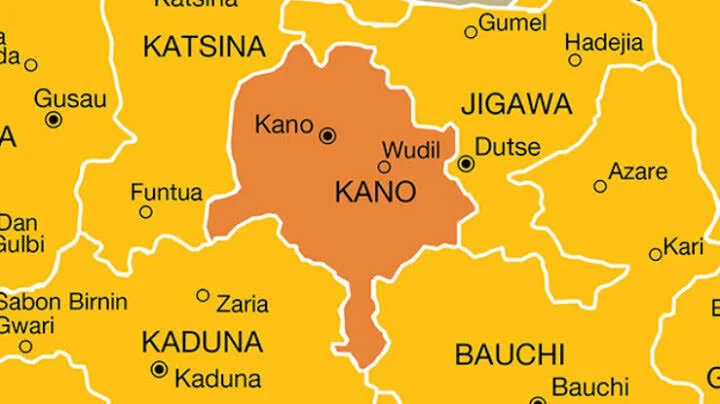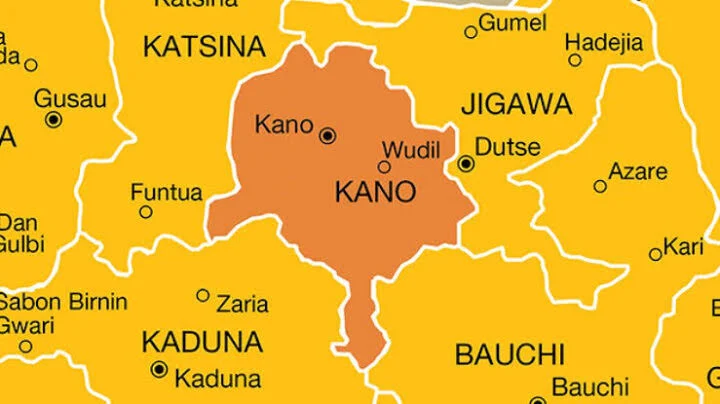
The Kano State Government has declared Tuesday, September 1, 2026, a public holiday to allow residents to participate in the annual Takutaha celebration.
The directive was contained in Circular No. 7/2026 signed by the Permanent Secretary, Establishment, Abba Danguguwa, on behalf of the Head of Service.
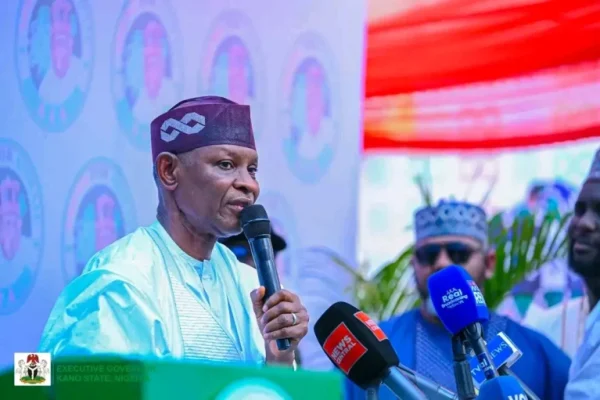
According to the circular, the holiday falls on 19 Rabi’ul Awwal, 1448 AH, and was approved by the state Governor, Abba Kabir Yusuf.
The government said Takutaha holds considerable cultural and religious significance for the people of Kano and forms part of the state’s Islamic heritage.
“The work-free day is approved to enable residents to observe Takutaha, which is of significant cultural importance to the people of Kano and forms part of the state’s Islamic heritage,” the circular stated.
Residents were encouraged to use the occasion for prayers and spiritual reflection, with particular emphasis on seeking peace, unity, stability and prosperity for Kano State and Nigeria.
The government said, “Residents are encouraged to use the occasion for prayers and supplications for continued peace, unity, stability and prosperity in Kano State and Nigeria.”
It also urged residents to celebrate peacefully and use the event to strengthen relationships within communities and promote peaceful coexistence.
All ministries, departments and agencies of the state government were directed to comply with the declaration.
“All heads of ministries, departments and agencies are directed to ensure strict compliance with this directive,” the circular stated.
However, the government clarified that the holiday would not affect essential services. Critical government services are expected to remain operational under existing arrangements.
“Essential services are to continue to operate in accordance with established procedures to ensure the uninterrupted provision of critical public services,” the government stated.
The circular was distributed to senior state officials, including the Chief of Staff, Secretary to the State Government, commissioners, permanent secretaries, heads of boards and commissions, local government audit authorities and chief executives of government-owned agencies and companies.