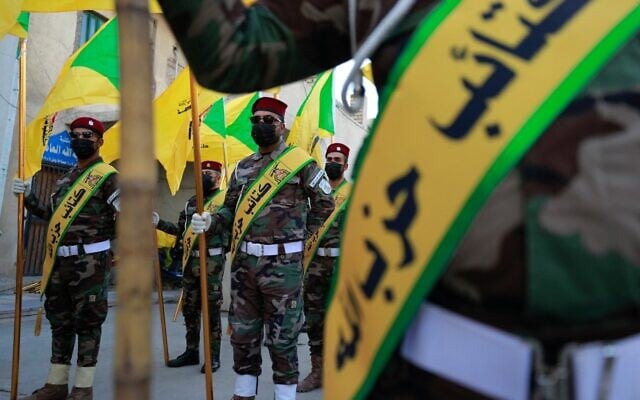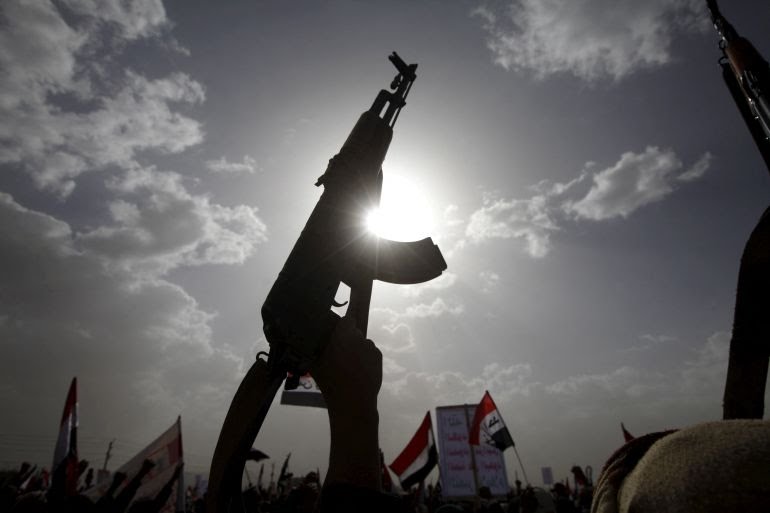
Iran-backed Houthi fighters have intensified attacks in Yemen, launching fresh missile strikes as Saudi Arabia prepares for possible further assaults on its territory and critical infrastructure.
According to Al-Jazeera, At least 30 soldiers serving Yemen’s internationally recognised government were killed and 15 others injured on Thursday after Houthi missiles struck military positions in the provinces of Hadramout and Marib, according to Yemeni government sources.
The Houthis reportedly launched eight missiles from al-Jawf governorate, targeting positions at al-Thiniya and al-Abr in Hadramout and al-Rouk in Marib.
The strikes hit camps belonging to several government formations, including the Saudi-backed Homeland Shield Forces, the Emergency Forces and the First Military Region, Al Jazeera reported.
The First Emergency Division Command said the high casualty figure was partly because troops had gathered for a morning training exercise when the attack occurred.
The violence continued on Friday, with Yemen’s State TV reporting that government air defences intercepted several Houthi drones over Marib. At least 12 additional missile attacks were also reportedly launched against Hadramout and Marib.
The Houthis have described the internationally recognised Yemeni government as a Saudi ally or proxy and accused it of preparing a ground offensive against their positions.
The latest escalation has also spilled into Saudi territory.
Saudi coalition spokesman Major-General Turki al-Maliki said a Houthi attack on the southern Najran province injured seven Saudis, one Yemeni, two Egyptians and one Pakistani national.
Among those wounded was a four-year-old child who suffered second-degree burns.
Saudi officials are now concerned that the violence could widen further.
A senior Saudi official told Reuters that intelligence from Saudi Arabia, the United States and other Middle Eastern countries indicated that the Houthis and Iraqi armed groups could launch coordinated attacks under the supervision of Iran’s Islamic Revolutionary Guard Corps.
According to the official, potential targets could include energy facilities, ports and airports.
The warning comes amid renewed tensions between the Houthis and Saudi Arabia following the breakdown of a period of relative calm in Yemen.
The Houthis seized control of Yemen’s capital, Sanaa, in 2014, prompting Saudi Arabia to lead an Arab coalition against the group from 2015. A truce in 2022 significantly reduced the fighting, although the Houthis retained control of Sanaa and large parts of the country.
Tensions have increased sharply since the United States and Israel began their war against Iran on February 28.
The situation worsened in July after Yemen’s government attacked Sanaa airport, accusing Iran of using flights to deliver military and dual-use equipment to the Houthis.
The Houthis subsequently launched attacks against Saudi Arabia and announced that the previous de-escalation period had ended.
On July 20, the group also announced a maritime blockade targeting Saudi Arabia and attacked facilities belonging to Saudi state oil giant Aramco in Jizan and Yanbu.
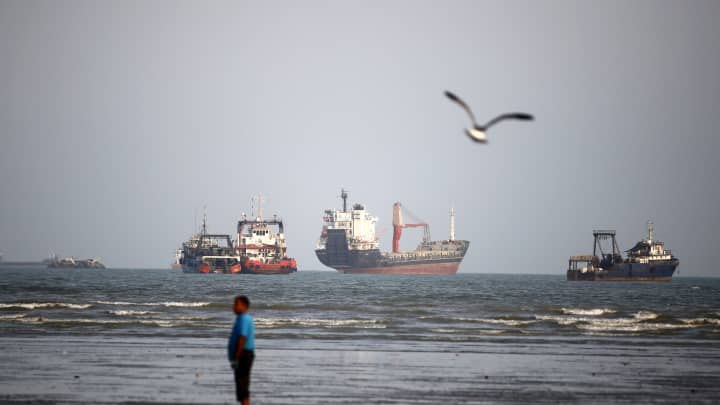
Several Saudi-flagged vessels and oil facilities have since come under attack, raising concerns about the security of shipping through the Red Sea and the Bab al-Mandeb Strait.
The strategic waterway links the Red Sea with the Gulf of Aden and the wider Indian Ocean and is a major route for international trade.
The renewed attacks have also heightened fears of disruption to global shipping and energy markets.
Crisis Group senior Yemen analyst Ahmed Nagi said the immediate consequences could include higher insurance premiums, increased security costs and more expensive shipping.
“The immediate effects are higher insurance premiums, increased security costs and more expensive shipping. If the Houthis continue expanding their attacks further north in the Red Sea, these costs are likely to rise further,” he said.
Oil prices rose on Friday amid the growing tensions, with Brent crude reaching $83.34 a barrel early in the day after settling at $82.49 on Thursday.
Saudi Arabia has meanwhile been strengthening its regional security partnerships as it prepares for a possible expansion of the conflict.
Riyadh is expected to sign defence agreements with Pakistan and Turkiye, while Saudi-US security cooperation remains strong.
Despite the mounting tensions, the Houthis and Iran have not issued fresh threats against Saudi Arabia.
In Iraq, Badr Organisation leader Hadi al-Amiri has also urged armed groups to delay retaliatory attacks against Saudi Arabia following joint Saudi-US strikes on Popular Mobilisation Forces headquarters in Iraq.
The growing confrontation is closely linked to Iran’s wider regional strategy. Tehran has longstanding ties with the Houthis and has provided the group with military, political, diplomatic and economic support.
Nagi said the Iranian backing had become increasingly visible in recent weeks.
“What’s changed in recent weeks is that Tehran’s backing has become much more visible. Instead of staying behind the scenes, Iranian officials are now openly endorsing Houthi demands and publicly defending their position,” he said.
“This sends a broader message that Iran’s leverage extends beyond the Strait of Hormuz to another critical maritime chokepoint: the Bab al-Mandeb,” he added.
With the possibility of further attacks remaining, concerns are growing that the conflict could develop into a broader regional confrontation.
However, Nagi said there was still an opportunity to prevent the situation from spiralling out of control.
“There is still a window to contain the escalation, but it requires a multi-track approach. On the regional side, de-escalation between the US and Iran would remove one of the key drivers behind the current Houthi escalation,” he said.
He added that renewed negotiations between Saudi Arabia and the Houthis over issues including Sanaa airport, Hodeidah ports and economic matters could help restore the previous truce.
“That said, if we’re being realistic, the current indicators point more toward further escalation than containment. At the moment, the signs suggesting a return to wider conflict are stronger than those pointing to a successful de-escalation, even though the opportunity to prevent it has not yet disappeared,” he added.