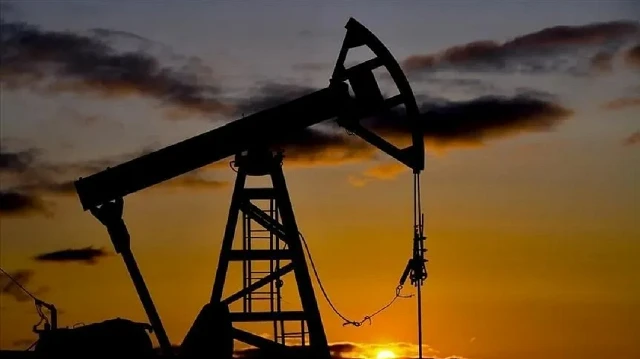
Global oil prices surged above $100 per barrel for the first time in two months on Thursday as renewed tensions in the Middle East heightened concerns over disruptions to global crude supplies.
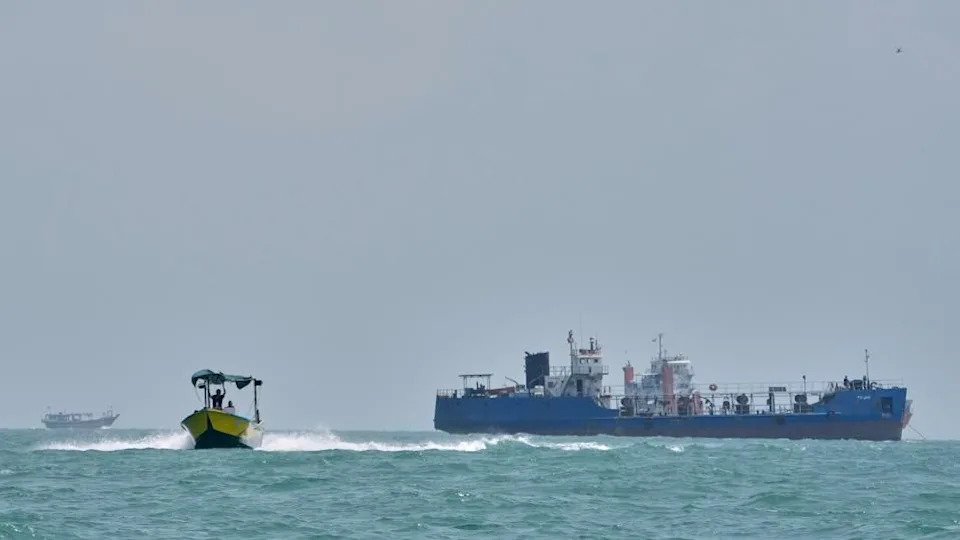
The benchmark price jumped from $95 per barrel the previous day after fears grew that Yemen’s Houthi rebels could disrupt Saudi oil exports through the Red Sea, while escalating US-Iran tensions threatened oil shipments through the Strait of Hormuz.
The renewed instability in two of the world’s most strategic oil routes has revived concerns that crude prices could climb as high as $120 per barrel, increasing pressure on households and the global economy already burdened by years of high energy costs.
Financial markets also reacted negatively, with stock prices falling across Europe and the United States amid uncertainty over the Middle East crisis and growing concerns about inflated valuations in artificial intelligence-related stocks.
The Nasdaq dropped by more than two per cent, while Tesla shares plunged 12 per cent after the company posted weaker-than-expected earnings alongside broader concerns over AI spending.
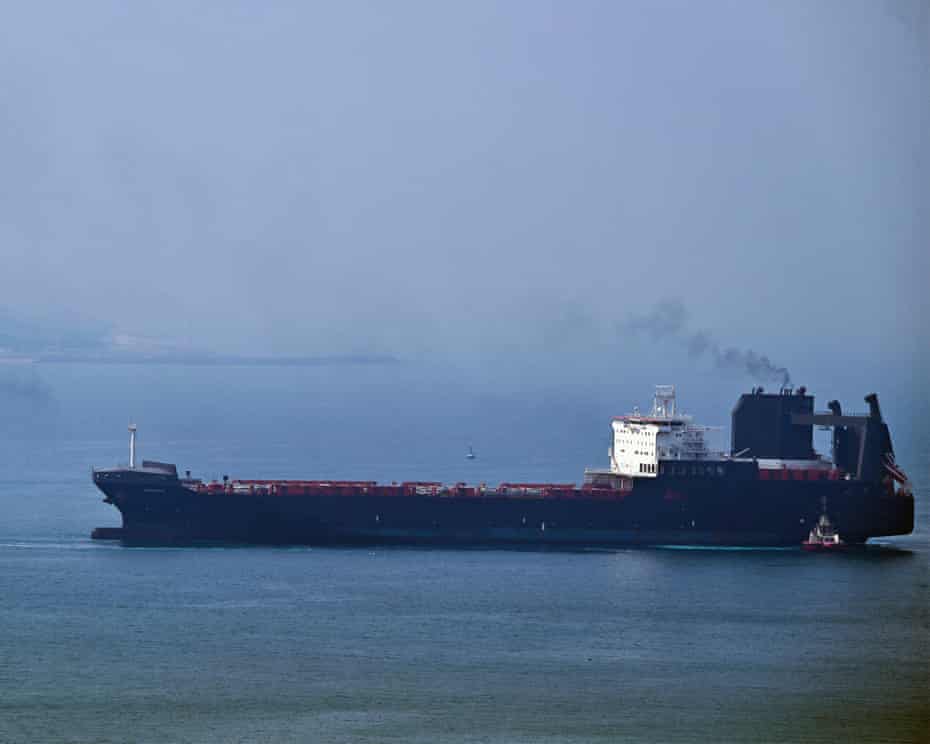
The latest escalation followed claims by the Iranian-backed Houthi movement that it had attacked two Saudi oil tankers, Encelia and Layla, using ballistic missiles, cruise missiles and drones.
According to the Houthis, the vessels were targeted for allegedly violating the group’s naval blockade in the Red Sea. One of the tankers was reportedly left ablaze following the strikes.
The attacks signal a significant expansion of the Gulf oil crisis, nearly five months after Iran’s effective blockade of the Strait of Hormuz sparked fears of what analysts described as a potentially unprecedented disruption to global energy supplies.
In the early stages of the conflict following the US-Israeli strikes on Iran, crude prices climbed beyond $100 per barrel, with some analysts forecasting a rise to $150 per barrel after shipping through the Strait of Hormuz was interrupted.
Oil prices later reached $126 per barrel in April before retreating below the $100 mark in late May and dropping to $71 per barrel in early July as hopes of a regional ceasefire improved market sentiment. However, prices resumed their upward trend after a memorandum of understanding between the United States and Iran collapsed, leading to renewed fighting in the Gulf.
The Executive Director of the International Energy Agency, Fatih Birol, said several “cushioning factors” had so far prevented a sharper rise in oil prices but cautioned this week that the worsening conflict leaves little room for complacency.
Growing concerns over the economic consequences of the Iran conflict also pushed government borrowing costs higher across major economies on Thursday, as investors assessed the possibility that rising oil prices could fuel another wave of global inflation.
Investors sold off government bonds in the United States, Germany and Japan, causing bond yields to increase. In the United Kingdom, the yield on 10-year government bonds rose by about 0.1 percentage points, climbing above 5.1 per cent for the first time since May.
The latest market turbulence comes against the backdrop of investor concerns in Britain over the tax and spending agenda of the new Prime Minister, Andy Burnham, with some market participants warning that the policies could place additional pressure on government borrowing costs.
Chris Beauchamp, chief market analyst at the online trading platform IG, said: “Government bond yields continue to climb, spelling major trouble for developed economies and risking a repeat of the March/April 2025 market panic.
“Volatility is surging and equities are moving further into the red as a return to full-blown conflict now looms, potentially drawing in Israel and more countries in the region.”