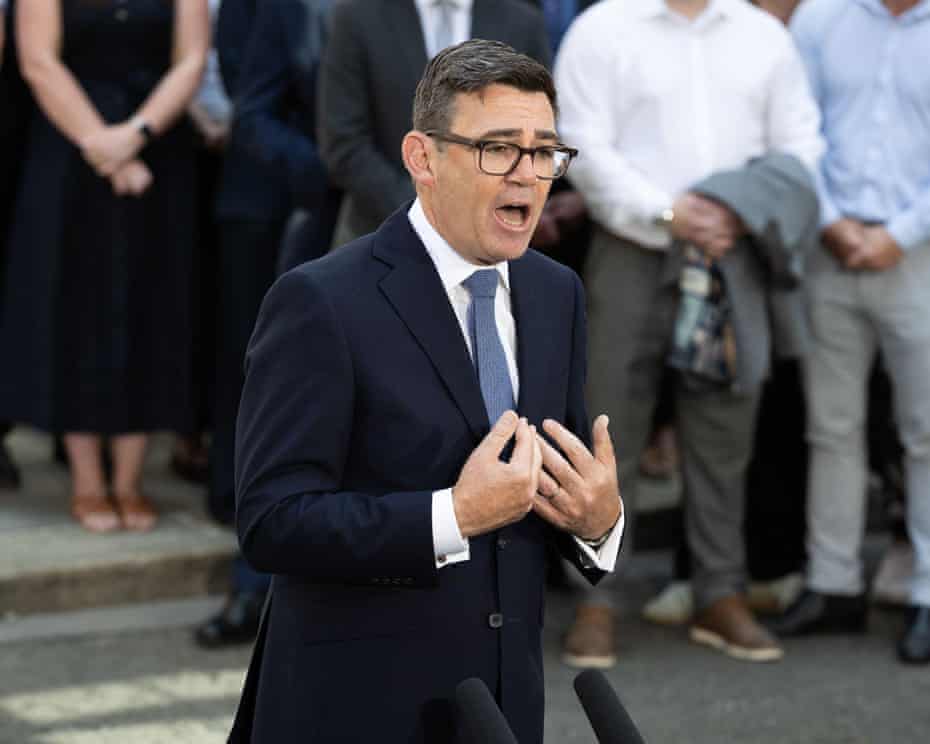
United Kingdom Prime Minister, Andy Burnham, has announced a tax cut that will remove Value Added Tax from domestic electricity bills from October 1, in a move aimed at easing the cost-of-living pressures on households across the country.
The new Chancellor, John Healey, who was appointed on Monday following Burnham’s assumption of office, said the measure would be financed by scrapping the government’s planned Digital ID programme.
“For too long, too many people have struggled with the cost of living,” Healey said.
“Today’s energy tax cut will give families some breathing room on bills, and provide some reassurance this winter.
“This measure is funded this year from cancelling the Digital ID programme, and it will help bring down inflation while supporting households in every postcode.”
The Digital ID scheme had been introduced by former Prime Minister Sir Keir Starmer ahead of last year’s Labour Party conference.
It was designed to become mandatory for right-to-work checks as part of the government’s strategy to tackle illegal immigration.
However, Burnham’s administration has now abandoned the programme, redirecting the funds towards the electricity VAT cut as part of its first package of economic relief measures.
The announcement came on Burnham’s first full day in office after he pledged to provide immediate “breathing space” for families grappling with rising living costs during his inaugural address outside 10 Downing Street on Monday.
He indicated that additional measures would be unveiled as early as Tuesday, when he chairs his first Cabinet meeting as prime minister.
In his first national address, Burnham promised the most significant transformation of British politics in four decades, vowing to introduce “a new political model and a new economic model” for the United Kingdom.
As part of a sweeping government reshuffle on Monday evening, Burnham appointed John Healey as Chancellor, replacing Rachel Reeves, while several senior ministers from Sir Keir Starmer’s administration exited government.
Among those leaving Cabinet were former Deputy Prime Minister David Lammy, former Attorney General Lord Hermer and former Housing Secretary Steve Reed.
Louise Haigh, a close Burnham ally who played a key role in his rise to Downing Street, was named First Secretary of State and Chancellor of the Duchy of Lancaster, giving her responsibility for coordinating government priorities.
Ed Miliband was appointed Foreign Secretary, Shabana Mahmood retained her role as Home Secretary, Wes Streeting became Defence Secretary, while Angela Rayner returned to government as Housing Secretary.
Burnham also chose not to appoint a deputy prime minister, leaving vacant a position previously held by Rayner and Lammy.
In another major structural change, the Department for Science, Innovation and Technology was abolished, with its responsibilities redistributed across government.
Business Secretary Jonathan Reynolds will now oversee science and innovation alongside his existing portfolio, while Culture Secretary Lisa Nandy assumes additional responsibility for digital policy.
Oversight of artificial intelligence policy has been transferred to the Cabinet Office, where Kanishka Narayan will serve as minister with responsibilities spanning both the Cabinet Office and the Department for Digital, Culture, Media and Sport.
Former Middle East minister Hamish Falconer was also appointed to oversee intergovernmental and European relations.
A Downing Street source said the new Cabinet reflects different wings of the Labour Party and has been assembled to deliver Burnham’s policy agenda, adding that the team consists of an equal number of men and women while increasing ethnic minority representation.
Beyond the electricity VAT cut, Burnham’s government is considering further measures to reduce the burden on households, including rent controls, additional energy bill support and a cap on bus fares.
“We’re looking at measures that could make a difference this year. So we are looking at all of those things, but we’ll make more announcements tomorrow,” he told reporters in Downing Street’s Rose Garden on Monday.
Burnham also began his tenure with a series of diplomatic engagements, holding telephone conversations with U.S. President Donald Trump and Ukrainian President Volodymyr Zelensky.
In a post on Truth Social, Trump described his discussion with the new British leader as productive.
“The Prime Minister has got a big job ahead of him, but he will be able to do it and, of course, the U.S.A. will be there to help! We discussed North Sea Oil, Trade, the Military Alliance, Demining of the Hormuz Strait, and many other topics. The call was interesting, and went very well.
“I wished Prime Minister Burnham, GOOD LUCK AND GODSPEED!”