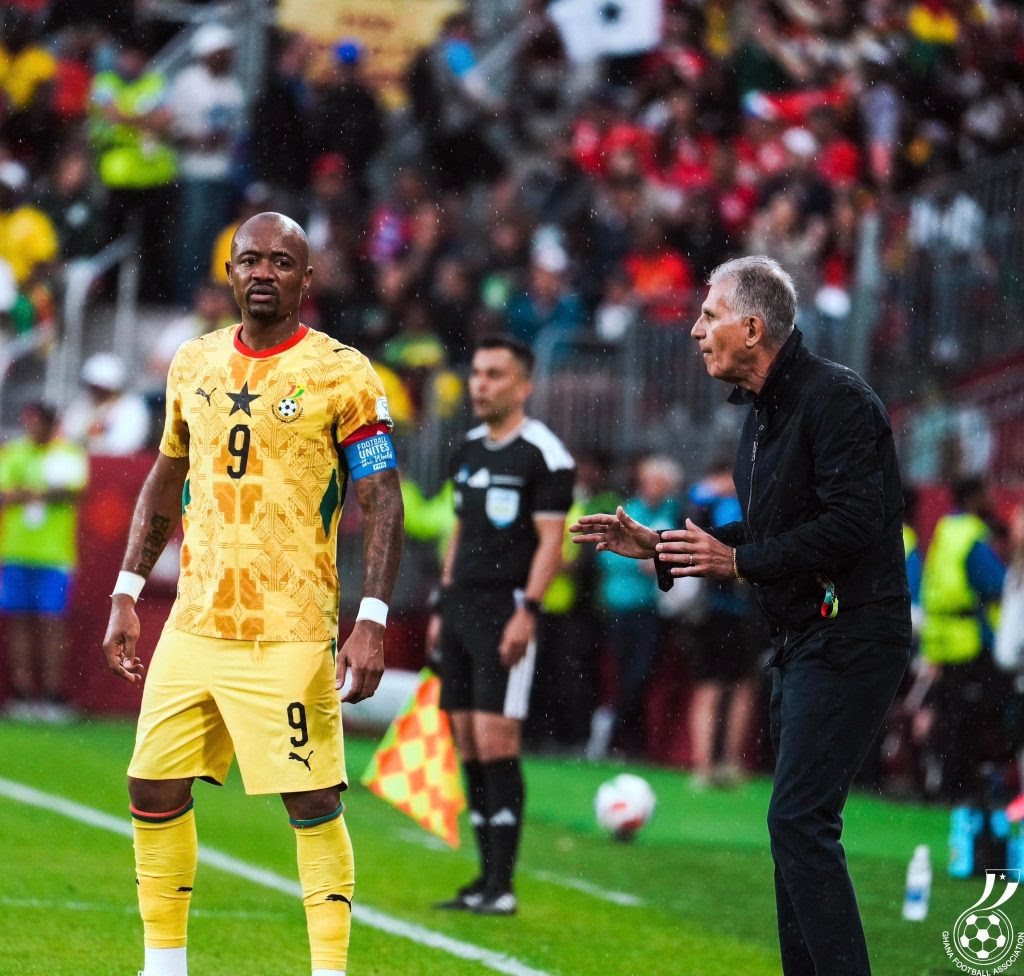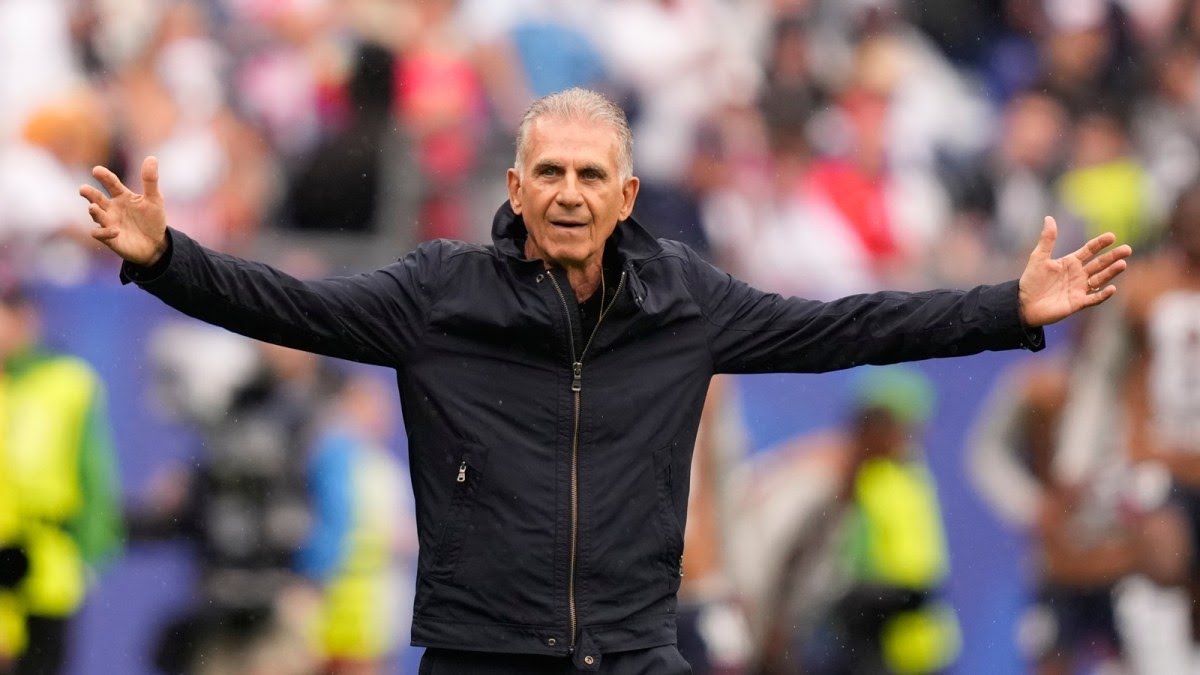
Ghana head coach, Carlos Queiroz, has voiced strong opposition to FIFA’s expanded 48-team World Cup format, arguing that the increase in participating nations risks diminishing the prestige and exclusivity that have long defined football’s premier tournament.
Speaking after Ghana’s 2-1 loss to Croatia, the veteran Portuguese tactician questioned whether qualifying for the World Cup still carries the same weight when a significantly larger number of countries can secure places at the finals.
“I believe that value comes when things are rare. The number of teams that can qualify for this competition can turn it into something vulgar and ordinary. When so many teams can qualify, is the value still rare? That would seem debatable to me, but it is only my opinion,” Queiroz said.
The 2026 FIFA World Cup marks the first edition to feature 48 teams, an expansion from the 32-team format used since France 1998.
The change has increased the tournament schedule from 64 matches to 104, while also allocating more qualification slots to each continental confederation.
FIFA has maintained that the move promotes wider global participation and provides emerging football nations with greater opportunities.
Despite those arguments, Queiroz believes the new structure has reduced the competitiveness of the qualification process, particularly within Europe.
“Who did not qualify in Europe? The qualification tournaments start to lose their significance if everyone qualifies. Qualification should be serious, it should be very tough, very competitive. The World Cup should be something with meaning and significance. It should be rare,” he said.
The former Real Madrid coach also expressed concern that financial considerations now play a greater role in shaping major decisions within the sport.
“But, as you know, today, money talks in the game. Where we used to talk about football, it is now moneyball,” he added.
The World Cup expansion remains one of the most controversial reforms introduced during the presidency of Gianni Infantino.
Advocates of the larger format argue that it gives more countries access to football’s biggest stage, encourages development in less-established football regions and increases investment opportunities across the game.
However, critics contend that the expansion could dilute the overall quality of the tournament, place further strain on the international calendar and make qualification less challenging.
While several traditional football powers, including Italy, have missed out on recent World Cups under the previous 32-team system, many nations across Africa, Asia, North America and Oceania have welcomed the additional qualification spots available under the new arrangement.
Although Queiroz remains unconvinced by the changes, he stressed that his remarks were intended as a personal assessment rather than a criticism of countries that have qualified.
“I believe that value comes when things are rare… but it is only my opinion,” he said.
FIFA’s Council unanimously approved the expansion from 32 to 48 teams in January 2017, just months after Infantino assumed office as FIFA president.
Expansion had been a central pledge of his election campaign, with the Swiss administrator arguing that the World Cup should become more inclusive and accessible to a wider range of nations.
Under the current allocation system, UEFA receives 16 guaranteed places, Africa nine, Asia eight, CONCACAF six, CONMEBOL six and Oceania one, while two additional berths are determined through intercontinental playoffs.
FIFA says the revised structure is designed to broaden global participation in the competition.