Ukraine launched another long-range drone attack on Moscow early Thursday, striking a major oil refinery for the second time in three days as Kyiv steps up efforts to target Russia’s energy infrastructure.
According to Russian authorities, several drones hit the Moscow Oil Refinery in the Kapotnya district in the southeast of the capital. Moscow Mayor Sergei Sobyanin said on Telegram that air defense units intercepted more than 40 drones approaching the city.
“Air defense forces continue to repel a massive attack,” he said.
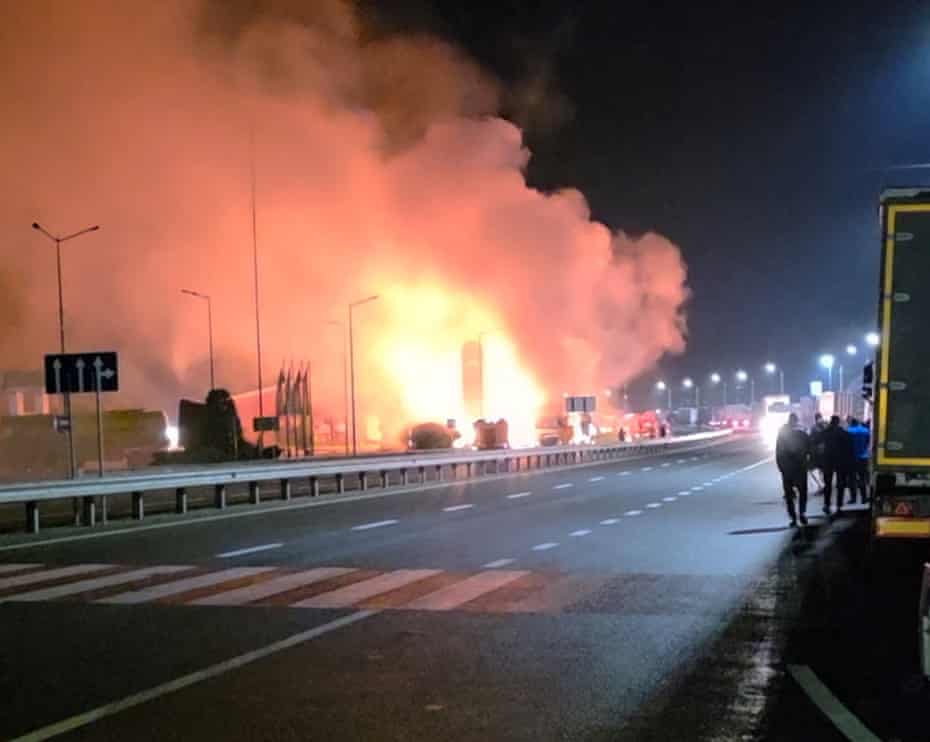
Video footage geolocated by CNN captured the attack, showing thick black smoke rising from part of the refinery before a powerful explosion erupted elsewhere within the complex. The blast sent the roof of a large fuel storage tank flying into the air.
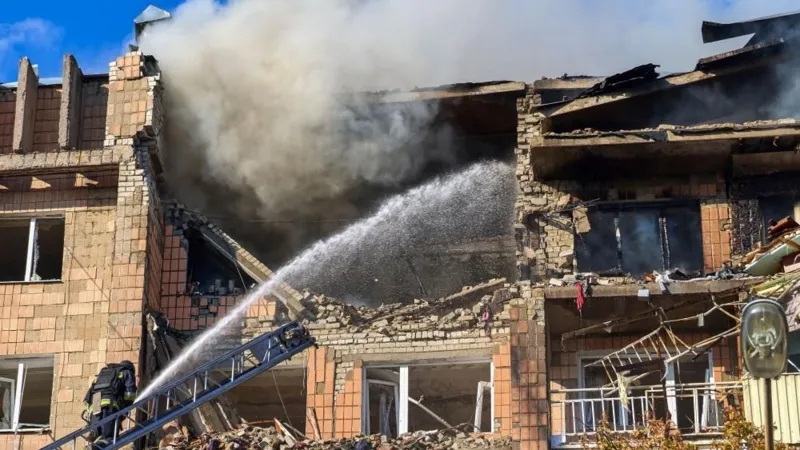
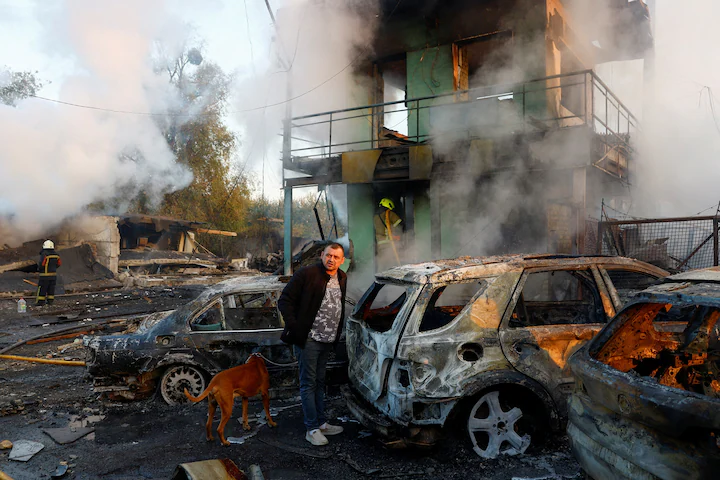
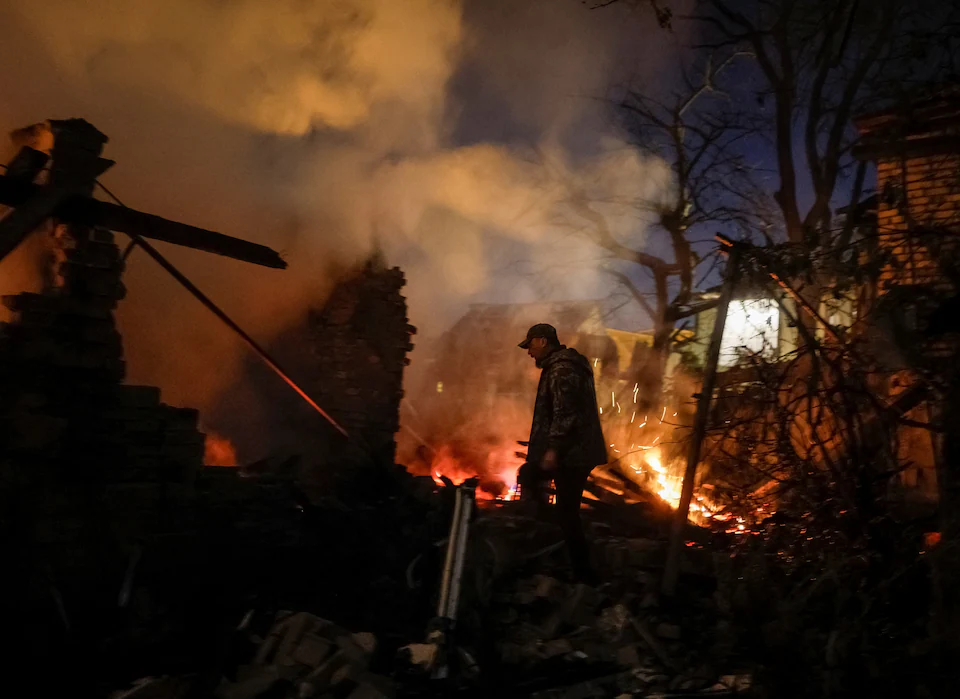
Elsewhere in the Moscow region, a drone struck a residential building in Zhukovsky, according to Russian state news agency TASS, citing regional Governor Andrey Vorobyov.
While no casualties were reported, the attack damaged parts of the building, including several balconies.
Vorobyov added that falling drone debris caused damage at multiple locations around the capital, affecting a fitness center, an industrial site, a shopping mall where a fire broke out, and a private residence.
In Russia’s southern Rostov region, another drone assault claimed the life of one civilian and left two others injured. Regional Governor Yury Slyusar said the attack also damaged a locomotive and sparked fires at two commercial facilities.
The latest strike follows a similar attack on Tuesday, when the same Moscow refinery sustained damage. Sobyanin had then reported that a facility located within the refinery grounds had been hit.
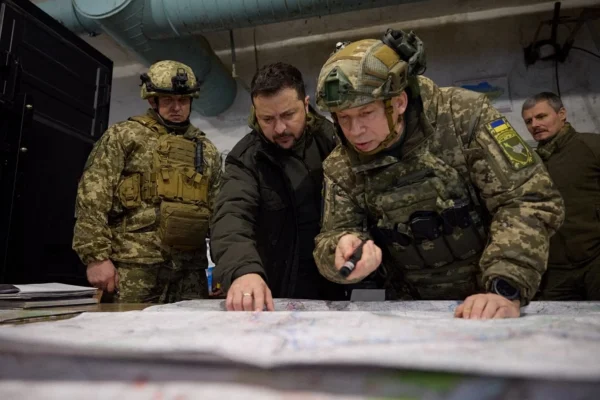
Following that attack, Ukrainian President Volodymyr Zelensky highlighted the effectiveness of Kyiv’s long-range capabilities, saying Ukrainian forces had struck targets located “500 kilometers away.”
He presented the deep strikes inside Russian territory as part of Ukraine’s broader strategy to pressure Moscow into ending the war.
In recent months, Ukraine has increasingly targeted Russian energy and military infrastructure with drones. Refineries, oil depots, terminals and naval facilities have all been among the objectives.
Some attacks have also occurred in the Leningrad region, home to St. Petersburg, which recently hosted a major international economic forum often compared to Russian President Vladimir Putin’s version of Davos.
Energy exports remain a crucial source of revenue for Moscow, accounting for more than a third of Russia’s state income, analysts say.
Although Western sanctions imposed since the start of the war have reduced the number of buyers for Russian oil, Moscow has benefited from rising global fuel prices and relaxed restrictions linked to the conflict involving Iran.
Nevertheless, Ukraine’s sustained campaign against Russian oil facilities appears to be having an impact.
Earlier this month, Crimea, annexed by Russia in 2014, experienced fuel shortages and gasoline rationing after Ukrainian attacks disrupted supply routes into the peninsula, Reuters reported.
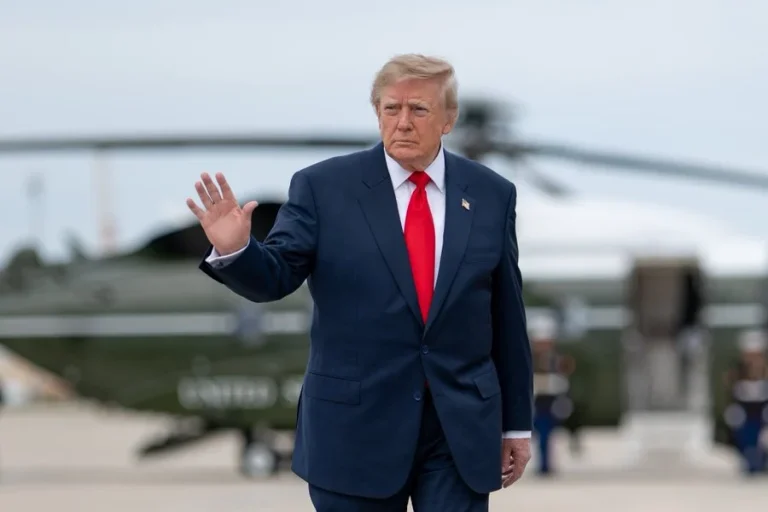
The strike came as world leaders gathered for the G7 summit in France. Zelensky met with US President Donald Trump on Tuesday and later said “everyone” had agreed to support Ukraine with additional air defense systems, adding that Trump had responded positively to his proposals.
Earlier that day, Trump urged Russia to move toward a settlement to end the conflict, which has now entered its fifth year.
“Russia’s lost tremendous amounts of people, and so had Ukraine,” he said.
Meanwhile, French President Emmanuel Macron said in his closing remarks at the summit that Trump and other leaders now acknowledge that Russia is not pursuing peace, describing a “deep change in approach” by the United States toward the war.