The Federal Government has introduced a ₦50 million Social Determinants of Health Fund aimed at supporting cancer patients in Nigeria by easing the non-medical challenges that often prevent them from accessing or completing treatment.
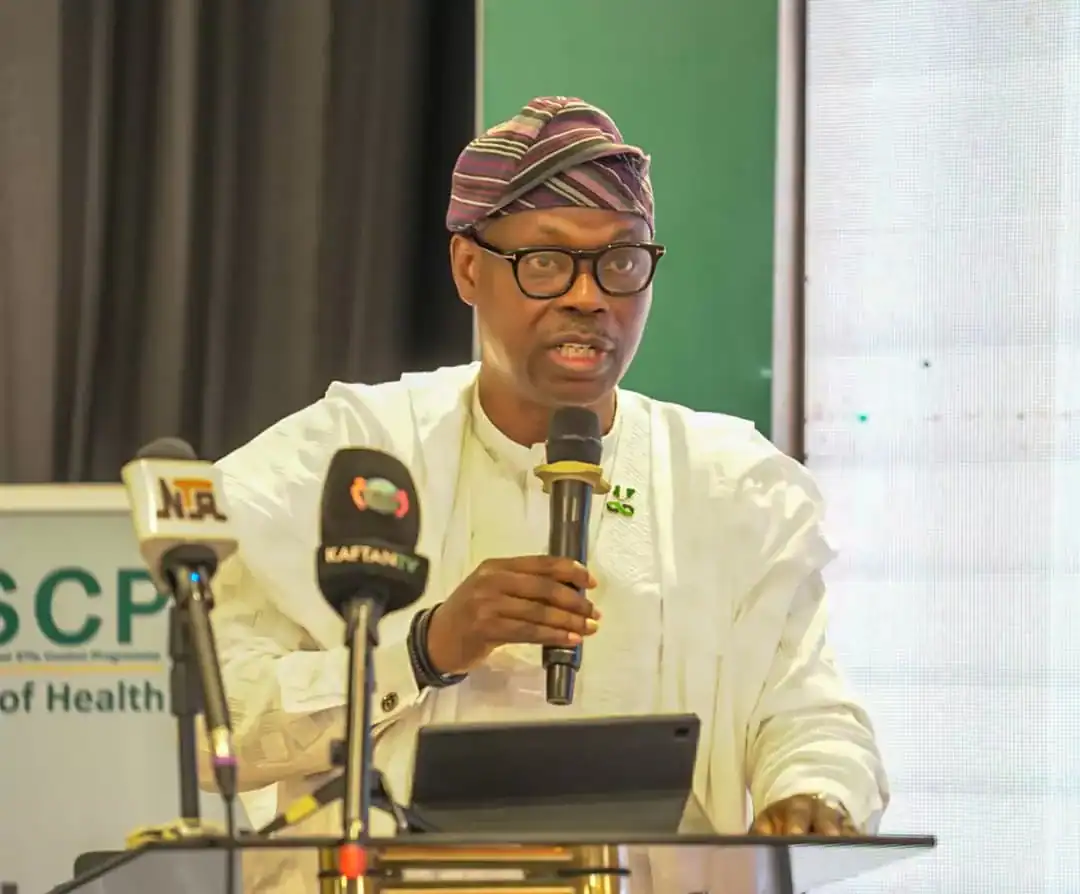
The initiative was announced in Abuja on Wednesday by the Minister of State for Health and Social Welfare, Iziaq Adekunle Salako, who said the intervention is designed to address practical barriers such as transport, feeding, accommodation, and other social needs linked to cancer care.
According to the minister, over 600 patients have already applied for assistance under the scheme, while more than 200 have been verified through a screening process involving medical directors and attending physicians across treatment centres.
Salako explained that each verified beneficiary will receive at least ₦100,000 to help reduce the financial burden associated with accessing treatment, especially for low-income patients who travel long distances to specialist hospitals.
“The Federal Ministry of Health and Social Welfare will provide fifty million naira as government’s initial contribution to the Social Determinants of Health Fund for cancer patients,” he said.
He added that funds would be disbursed directly to beneficiaries to ensure transparency and accountability in the process.
The minister noted that while government has expanded cancer infrastructure and subsidised treatment in recent years, many patients still struggle to complete therapy due to indirect costs such as transportation, accommodation, and food.
“These challenges often lead to delayed treatment, poor adherence to therapy, and worse health outcomes,” he said, stressing that vulnerable Nigerians are disproportionately affected.
Salako further described social and economic barriers as a major driver of the “catastrophic financial burden” faced by cancer patients globally.
He said the initiative was developed based on recommendations from the National Cancer Control Plan Technical Working Group, which is supporting the implementation of Nigeria’s National Cancer Control Plan 2026–2030.
He commended members of the working group for their commitment, noting that some had made personal financial contributions to help kick-start the fund.
The minister also urged strict accountability in managing the resources, warning against mismanagement.
“I will like to admonish the managers of the fund to ensure due diligence, transparency and accountability in its disbursement,” he said.
Salako added that the intervention complements existing government programmes such as the Cancer Health Fund, Cancer Access Partnership, and other targeted support schemes.
He said the government aims to reduce Nigeria’s cancer burden by 50 per cent by 2030 through expanded screening, improved treatment access, and stronger patient support systems.
Addressing patients, he assured them that the government remains committed to ensuring that a cancer diagnosis does not become a death sentence, as efforts continue to improve affordability and access to care across the country.