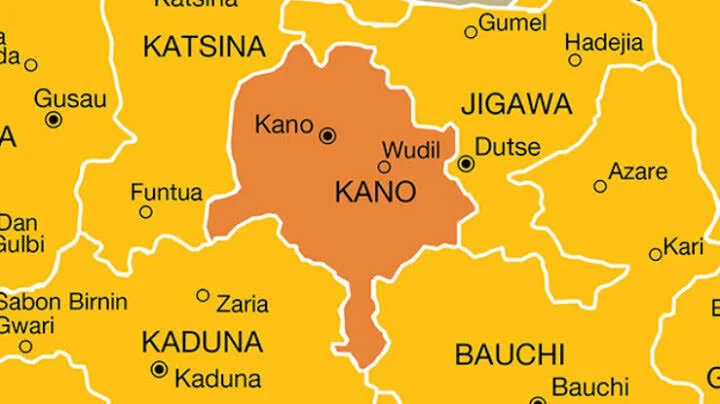
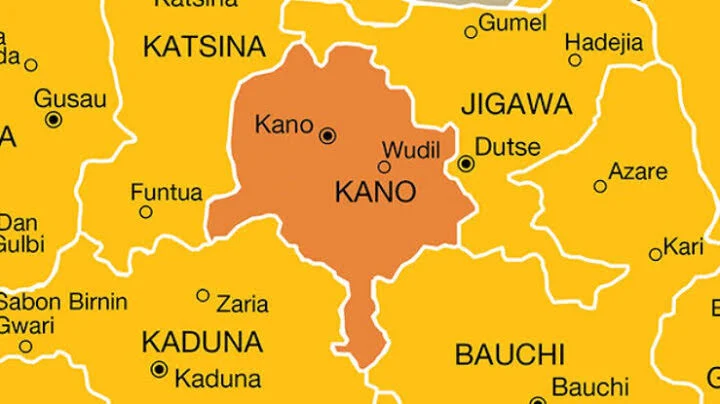
The Kano State Government has expanded its contributory healthcare programme to cover vulnerable residents, including inmates in correctional facilities, people living with HIV, and patients managing hypertension.
The Executive Secretary of the Kano State Contributory Healthcare Management Agency, Dr Rahila Aliyu-Mukhtar, disclosed this in an interview with the News Agency of Nigeria in Kano, noting that the initiative is aimed at reducing financial barriers to healthcare access.
She said more than 6,000 hypertensive patients have already been enrolled under the scheme, allowing them access to essential medications and medical investigations.
According to her, the intervention has helped reduce complications linked to hypertension in the state.
“We received a nationally generated report indicating that Kano State has reduced complications arising from hypertension,” she said. “This can be attributed to the hypertensive patients we enrolled under the scheme.”
Aliyu-Mukhtar also revealed that over 6,000 people living with HIV have been included in the programme.
She explained that while antiretroviral drugs are largely donor-supported, beneficiaries still require care for other health conditions such as malaria, typhoid, diabetes, and hypertension.
She further announced plans to enrol about 6,000 tuberculosis patients, stressing the need for broader health support beyond TB treatment alone.
“We realised that TB patients also need support beyond their TB medications,” she said, adding that other illnesses often complicate recovery.
The agency also confirmed that all inmates in correctional centres across the state have been captured under the health insurance scheme, describing it as a pioneering effort in Nigeria.
Aliyu-Mukhtar noted that the initiative has attracted commendation from the national corrections authority and has drawn interest from other states seeking to replicate the model.
She reaffirmed the government’s commitment to reducing out-of-pocket healthcare spending and improving access to quality medical services for vulnerable groups.