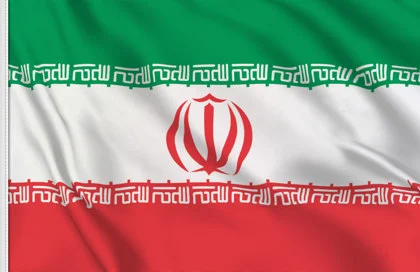
Iran has executed at least 21 people and detained more than 4,000 others since the outbreak of the Middle East conflict, the United Nations said on Wednesday.
According to the UN human rights office, the executions have taken place in the aftermath of the war triggered by US-Israeli strikes in late February.
It said at least nine of those executed were linked to protests that erupted in Iran in January 2026, while 10 others were accused of belonging to opposition groups, and two were put to death on espionage charges.
The OHCHR further estimates that more than 4,000 people have been arrested on national security-related allegations during the same period.
The agency said many of those detained had been subjected to forced disappearances, torture, and what it described as “cruel, inhuman and degrading treatment”.
It also reported cases involving forced confessions, sometimes broadcast on television, as well as mock executions.
“I am appalled that, on top of the already severe impacts of the conflict, the rights of the Iranian people continue to be stripped from them by the authorities, in harsh and brutal ways,” UN rights chief Volker Turk said in a statement.
“In times of war, threats to human rights increase exponentially. Yet even where national security is invoked, human rights can only be limited where strictly necessary and proportionate.
“I call on the authorities to halt all further executions, establish a moratorium on the use of capital punishment, fully ensure due process and fair trial guarantees, and immediately release those arbitrarily detained.”
The OHCHR also warned that individuals, including children, face ongoing risk of the death penalty under Iran’s “broad and vague definition of national security crimes”.
It added that those accused are often processed through accelerated court proceedings, with some verdicts, including at least nine of the executed protesters, reportedly based on coerced confessions.
Separately, the agency said dozens of prisoners, including prominent lawyer Nasrin Sotoudeh, a 2012 recipient of the European Parliament’s Sakharov human rights prize, have been moved to undisclosed locations.
Human rights organisations, including Amnesty International, have consistently ranked Iran among the world’s top executioners, second only to China in annual figures.
The UN also highlighted worsening prison conditions across the country.
– ‘Dire’ prison conditions –
Turk condemned what he described as the “dire” state of Iranian prisons, pointing to severe overcrowding and shortages of food, water, hygiene products, medication, and medical care.
The OHCHR reported that on March 18 at Chabahar prison, detainees protesting the prolonged suspension of food distribution were met with deadly force.
“Security forces reportedly killed at least five and injured 21 after confronting protestors,” the agency said.
It also revealed that internet access across Iran has been almost completely cut off for 61 days, describing it as one of the longest nationwide shutdowns recorded globally.
“This is denying people across the country access to vital information, silencing independent voices, and inflicting enormous social and economic harm,” Turk said.
“It is exacerbating an already precarious humanitarian and economic situation, and must be lifted immediately.”