Venezuela defeated Team USA in the World Baseball Classic championship game, not just winning a title but creating a moment that meant everything to their players and fans.
Team USA — the United States of America, the birthplace of baseball and home to the game’s highest‑caliber league, losing one matchup barely matters in the grand scheme.
After two weeks of some of the most joyful, electrifying baseball any March has ever offered, that is exactly what makes the World Baseball Classic special.
When Bryce Harper, with his unmistakable brand of humorless flamboyance, broke a 12‑inning scoreless stretch for Team USA with a game‑tying, two‑out, 432‑foot home run in the bottom of the eighth, it was the kind of storybook sports moment that makes staying up late worthwhile.
It gave American fans, Phillies fans, and baseball fans promised a power‑packed lineup something to leap from their couches and cheer about.
It also set the stage for a dramatic ninth‑inning victory for Venezuela. When Eugenio Suárez drove in the go‑ahead run, it became a moment that meant far more to an entire nation than sports should ever have to.
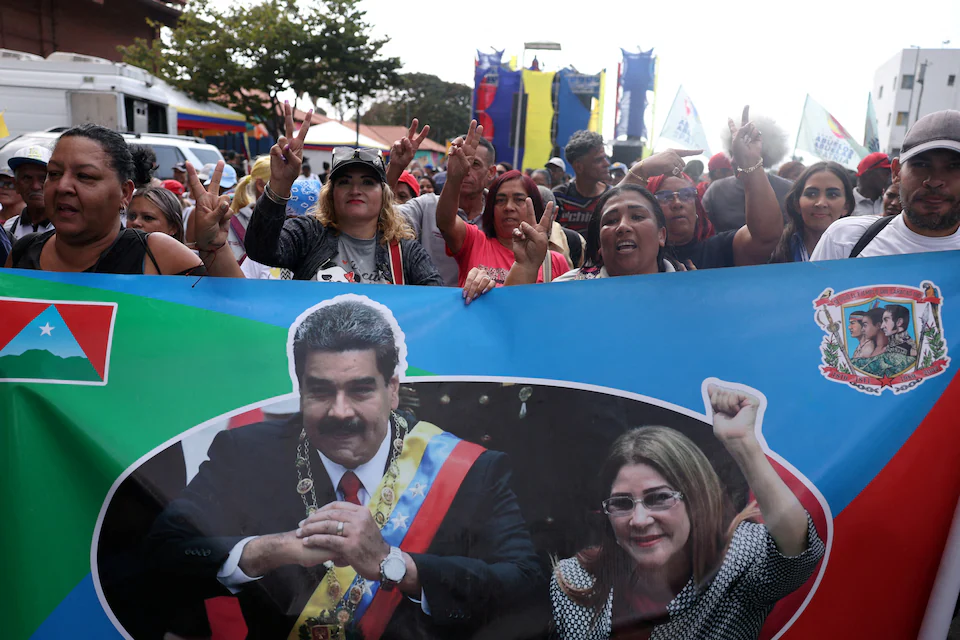
The sold‑out stadium erupted because even in America, the crowd at loanDepot Park in Miami was largely Venezuelan. And for those back home, it was a cathartic moment for a nation facing political upheaval, economic uncertainty, international isolation, and growing emigration.
This likely influenced MLB’s decision to host the later rounds of the WBC in South Florida, where the large Latino population turned out in force to support Team Venezuela and, through their semifinal elimination, Team Dominican Republic.
This is for them. And for the fans in Japan, where almost the entire country tuned in to see some part of Samurai Japan’s 2017 championship run. And for the small but passionate contingent eager to grow baseball in Italy, and the new fans this year’s Italian team attracted.
In past tournaments, when Team USA clearly did not field the strongest squad possible from the domestic talent pool, it was easier to understand why international players were more motivated to participate.
American players return home regularly, leaving extra tickets for family and friends, and sometimes the broadcast highlights their local connection.
International players, by contrast, leave familiar surroundings and travel thousands of miles for MLB, seizing the greatest opportunity to compete while connecting to their heritage.
The WBC doesn’t exactly bring them home, but it links them to where they come from.
This year, the Americans were stronger, with a roster that looked capable of steamrolling the tournament.
They didn’t. Baseball doesn’t always behave as expected in small sample sizes. Take Aaron Judge, for example.
The American captain went 0‑for‑4 with three strikeouts in the championship game, yet he remains arguably the best hitter alive. Every baseball fan should want him back for the next WBC.
In reality, the USA didn’t lose because of overconfidence, military cosplay, or because they became the joyless bad guys in a tournament full of teams enjoying a kid’s game.
They lost because they batted a collective .156 with 24 strikeouts over the final two games — and because Team Venezuela was also highly talented.
The WBC‑record‑setting audience watched Team USA’s offense falter in the championship game, amid discussions comparing the WBC to the World Series, which is “better,” which victory would mean more? There have been 121 World Series in history.
This was only the sixth WBC. Yet watching Team Venezuela break into tears after the final out makes you believe it is comparable.
MLB should thank international players and fanbases for giving the tournament instant legitimacy. Their passion, especially that of the Venezuelans this year, made the WBC competitive.
By caring so deeply, Team Venezuela elevated the American team. And then they beat them.