Venezuelan lawmakers on Thursday passed a landmark law granting amnesty to hundreds of individuals prosecuted or convicted for political reasons over 27 years of authoritarian rule.
Rights groups and opposition members have cautiously welcomed the legislation, seeing it as a chance to ease the suffering of many, though they emphasize that the process must be transparent and accountable.
Some critics argue the law does not go far enough, questioning whether certain amendments could block activists and exiled opposition figures from benefiting.
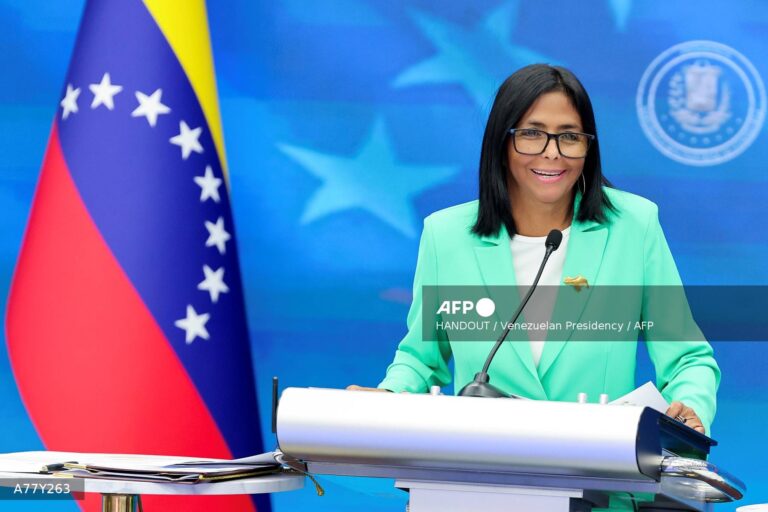
Acting President Delcy Rodríguez, who assumed power after a US military operation removed Nicolás Maduro, proposed the amnesty last month under pressure from Washington.
After signing the law, she described it as “an extraordinary door for Venezuela to reunite, for Venezuela to learn to coexist democratically and peacefully, for Venezuela to rid itself of hatred, of intolerance, let it open up to human rights.”
Many in Venezuela and the United States, are now watching closely to see whether the country’s remaining political prisoners will soon walk free.
A Chance for Peaceful Coexistence
The law provides general amnesty to political prisoners processed or convicted from 1999, the start of Hugo Chávez’s presidency, to the present day.
This includes opposition figures, activists, journalists, students, and others detained during protests in 2014, 2017, 2019, and beyond.
However, it explicitly excludes those convicted of homicide, drug trafficking, corruption, grave human rights violations, crimes against humanity, and war crimes. Lawmaker Jorge Arreaza, who presented the bill, emphasized these exceptions, saying they ensure “serious offenses” are not shielded.
Published by the assembly, the law frames amnesty as a tool to “repair deep wounds” from political confrontation and promote peaceful coexistence.
According to human rights groups, hundreds of political prisoners remain detained, and many recently released face conditions such as travel bans, periodic court appearances, and gag orders.
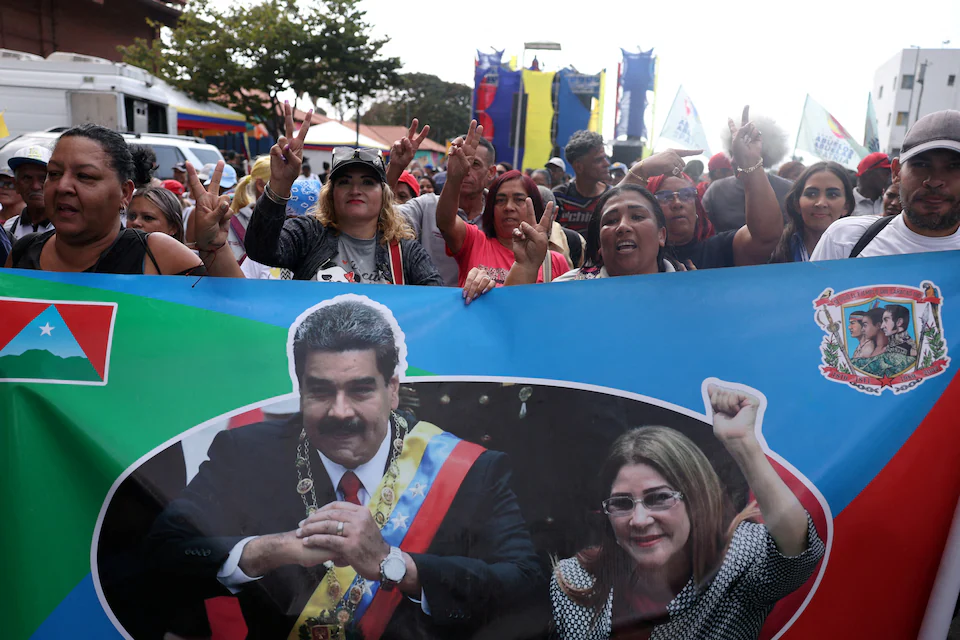
On February 12, thousands of students in Caracas held a rare mass protest during a congressional debate, demanding the unconditional release of political prisoners and an end to what they consider persecution of dissidents.
Since announcing a plan to free “a significant number” of prisoners under US pressure, the government has released over 400 people, though official figures claim more than 800.
Among the freed is a mother and her six-month-old baby, who had been born in prison. Rodríguez said she would invite the UN High Commissioner for Human Rights to verify the releases.
National Assembly President Jorge Rodríguez assured families that post-approval, the law could trigger immediate mass liberations. The bill had passed its first discussion unanimously and underwent public consultation before the final vote.
Opposition Response
Opposition leader María Corina Machado called the amnesty “the result of real pressure” from the United States, which has demanded the release of all political prisoners since ousting Maduro.
While hopeful that hundreds of detainees might be freed, she expressed doubt over Rodríguez’s ability to lead a genuine transition.
Foro Penal President Alfredo Romero described the amnesty as “welcome” if it is inclusive, non-discriminatory, free of impunity, and contributes to dismantling political persecution mechanisms.
The Venezuelan Education-Action Program on Human Rights stressed that amnesty should not be seen as a “pardon” or state grace, noting that many detainees were arbitrarily imprisoned for exercising constitutionally and internationally protected rights.
Foro Penal Vice President Gonzalo Himiob added that amnesty does not imply guilt or responsibility for any crime.
Some remain skeptical about the law’s guarantees. Opposition figure Juan Pablo Guanipa, previously detained for eight months, was re-arrested shortly after his release, reportedly for “calling people to the streets”, an apparent breach of his release conditions.
The opposition condemned this, with Alianza Bravo Pueblo stating, “The so-called amnesty, that veneer of false dialogue, is dead before it was born.” Guanipa is now under house arrest.
Closure and Repurposing of El Helicoide
Alongside the amnesty law, the government announced plans to close and repurpose El Helicoide, the notorious SEBIN detention center in central Caracas.
Once intended as a futuristic shopping mall, the spiral-shaped building became a symbol of repression under Maduro, housing many political detainees under conditions described as overcrowded, unsanitary, and abusive.
Rodríguez said the facility will stop functioning as a prison and be transformed into “a center of social, sports, cultural and commercial services” for the community. Critics argue the site should instead be preserved as a memorial to victims.
Navigating Venezuela’s Fragile Post-Maduro Landscape
The amnesty push comes amid Venezuela’s delicate post-Maduro transition, with Rodríguez’s government balancing US pressure, economic challenges, and calls for stability. If implemented as promised, the law and the expected closure of El Helicoide, could mark a significant step toward reducing political tensions.
However, rights groups caution that transparency in releases and broader reforms will determine whether it truly contributes to Venezuela’s pursuit of peace and democratic coexistence.