Drones crashed near Dubai airport, injuring four people, as ships were struck in or near the Strait of Hormuz on Wednesday, amid Iran’s ongoing campaign to disrupt oil markets and air and maritime traffic.
The Gulf region, rich in oil, has borne the brunt of Tehran’s strikes in retaliation for US-Israeli attacks that ignited the Middle East war, with Iran targeting US assets as well as civilian infrastructure.
“Iran has also targeted Gulf energy infrastructure and choked shipping in the Strait of Hormuz, which normally carries nearly 20 percent of global oil production, prompting wild swings in prices,” officials said.
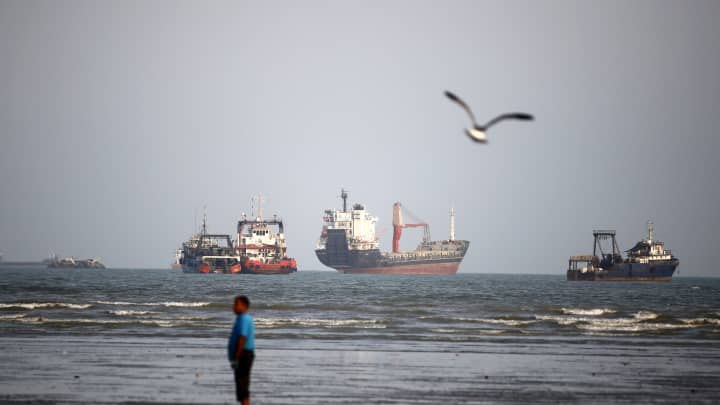
According to the United Kingdom Maritime Trade Operations, a container ship and a bulk carrier were hit off the UAE coast, one near Dubai, the other near the northern emirate of Ras Al Khaimah, by unidentified projectiles.
A third vessel was struck off Oman in the Strait of Hormuz, igniting a fire that was later extinguished.
Meanwhile, Saudi Arabia intercepted drones aimed at the Shaybah field, a key site for its oil output, as explosions echoed over Qatar and fresh attacks were reported in the UAE.
Saudi authorities also confirmed they intercepted seven ballistic missiles targeting the eastern region and the Prince Sultan Air Base, where an American service member was fatally wounded on March 1.
“Iran appears to be attempting to knock major Gulf refineries offline while also tightening its chokehold on the strait in a quest to inflict maximum pain on the global economy,” analysts said.
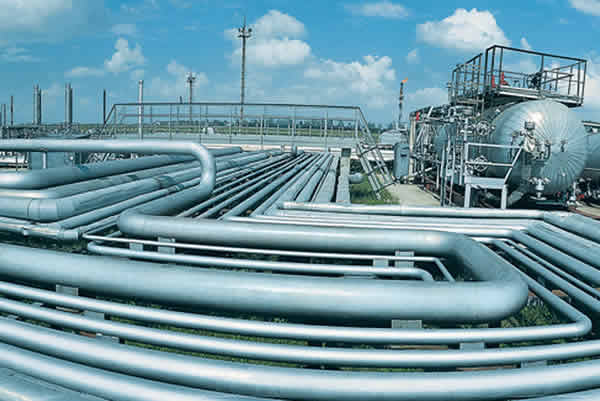
In recent days, the Saudi Aramco Ras Tanura facility, home to one of the Middle East’s largest refineries, and the UAE’s Ruwais refinery, one of the world’s largest, have both been targeted.
Iranian strikes have already forced state-owned QatarEnergy to halt production last week and declare force majeure.
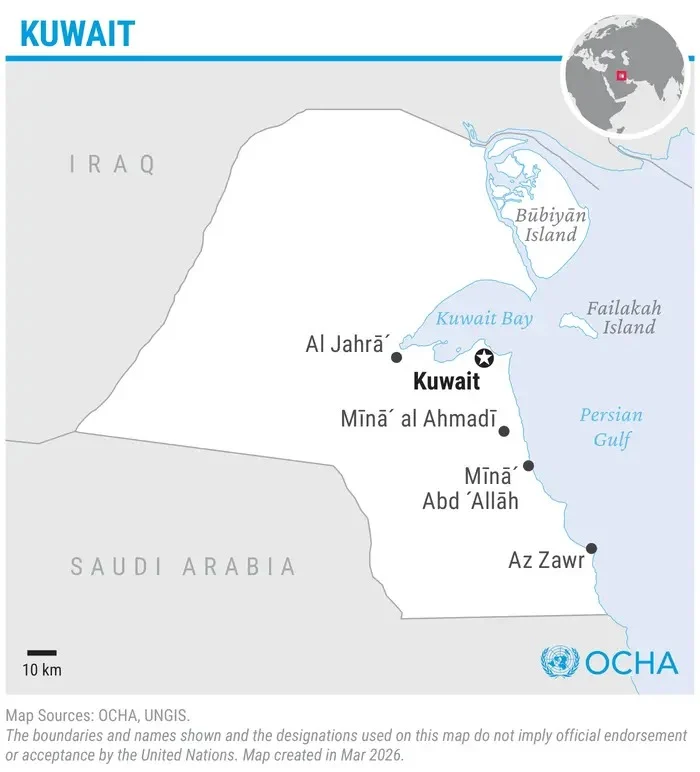
Energy producers in Kuwait issued similar warnings, signaling that circumstances beyond their control may prevent them from meeting export targets.