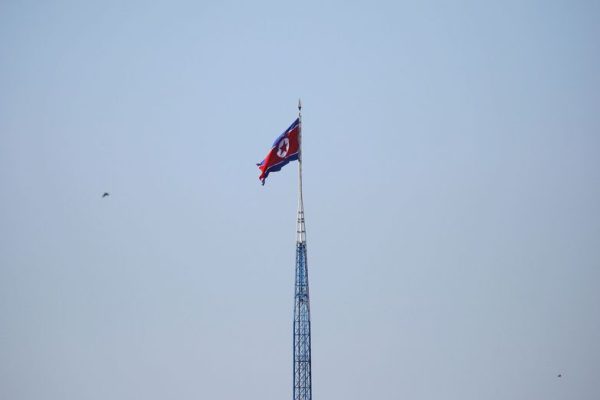
The United Nations has accused North Korea of tightening its already harsh restrictions on citizens, with reports of executions for distributing foreign television shows and films, including popular South Korean dramas.
According to the BBC, a new review released by the UN Human Rights Office on Friday, the government under Kim Jong Un has expanded its use of technology-driven surveillance to enforce absolute control over its population.
The report, based on testimony from more than 300 defectors and victims, says repression has worsened over the past decade.
“No other population today lives under such extreme restrictions,” the report stated. “Authorities deliberately sought to block the people’s eyes and ears, eliminating even the smallest signs of dissatisfaction or complaint.”
James Heenan, head of the UN Human Rights Office for North Korea, told reporters in Geneva that executions had risen since the COVID-19 pandemic, particularly under new laws prescribing the death penalty for distributing foreign media. He said the punishments extended beyond political crimes to what would normally be considered everyday activities elsewhere.
The report also highlighted the use of forced child labor. Many children from poor families, unable to pay bribes to avoid compulsory work, are reportedly placed into so-called “shock brigades” and sent to hazardous industries such as coal mining and construction.
“They are often forced into extremely dangerous work,” Heenan said. “This form of exploitation, especially when it involves children, could amount to modern-day slavery.”
The UN first detailed grave abuses in North Korea in a 2014 landmark report, documenting torture, rape, executions, and prison camps holding up to 120,000 people.
The latest review finds that since then, Pyongyang has formalized new laws and policies that provide a legal basis for repression.
Volker Türk, UN High Commissioner for Human Rights, warned in a statement: “If the DPRK continues on its current trajectory, its people will face more suffering, more fear, and more brutal repression.”