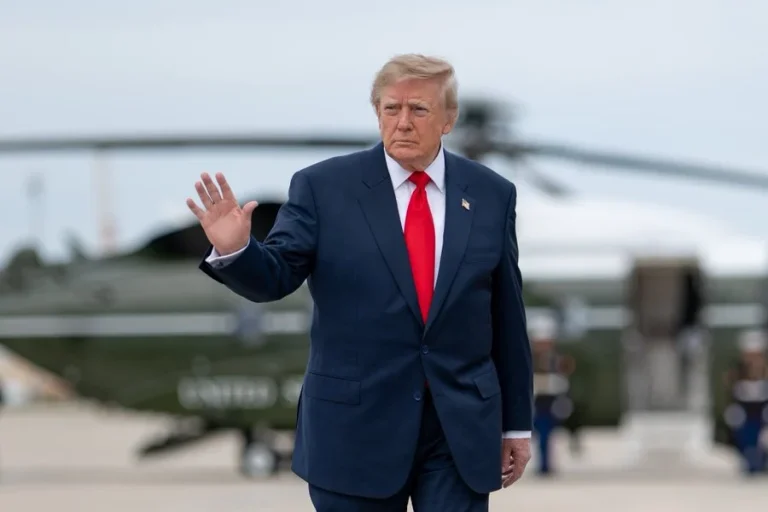
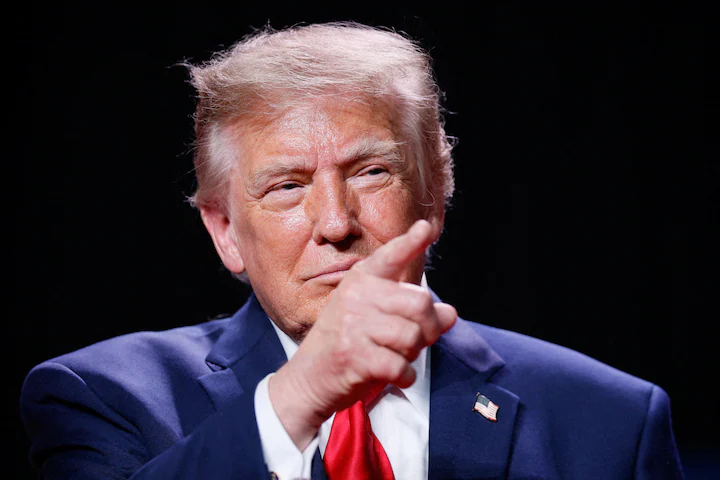
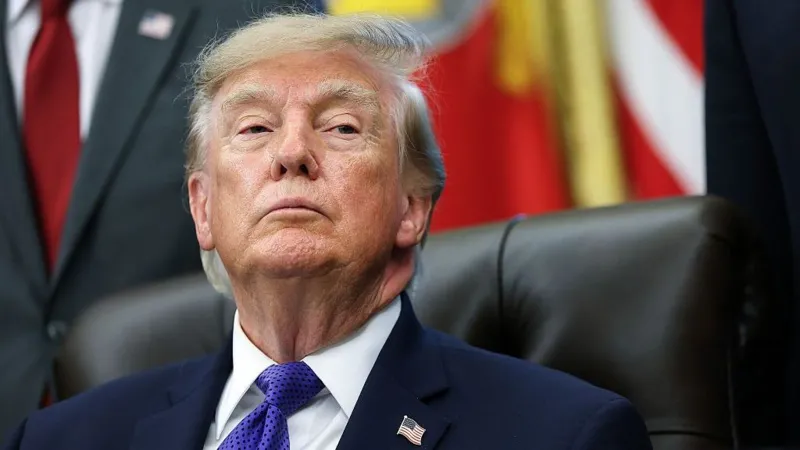
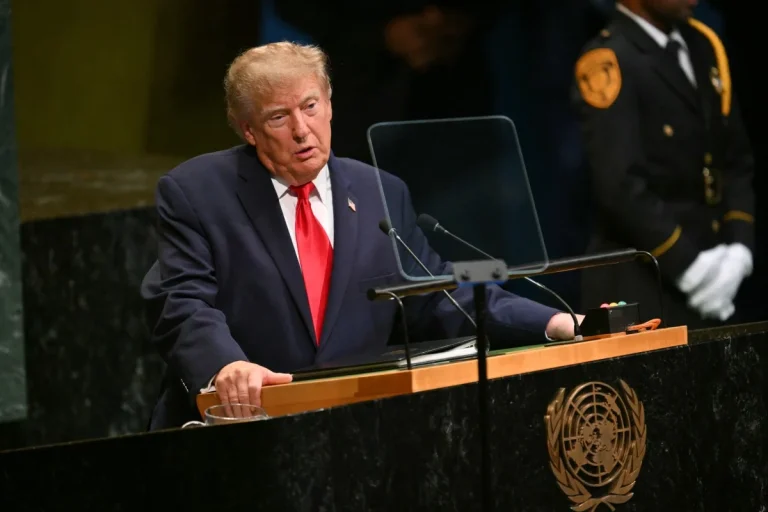
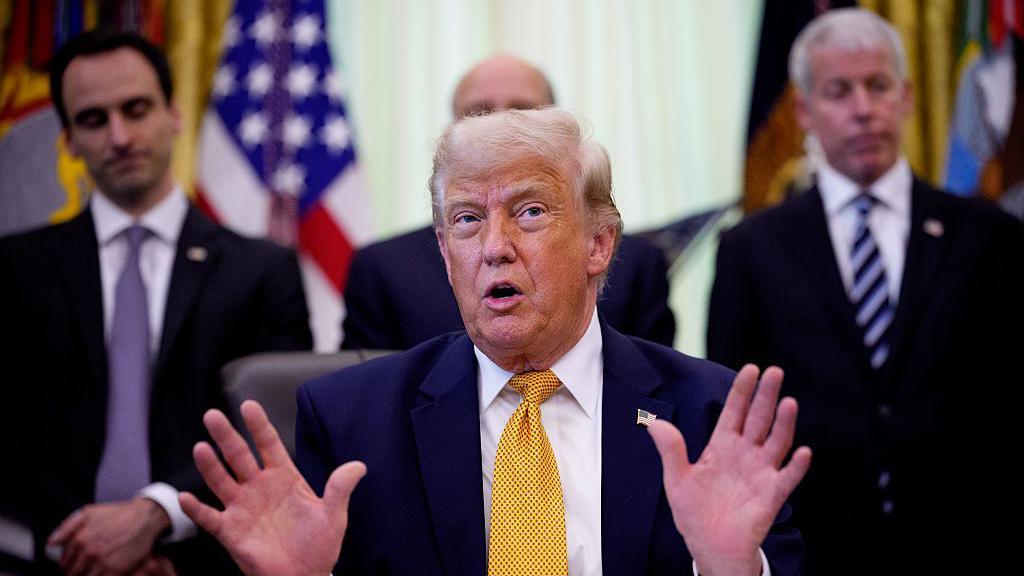
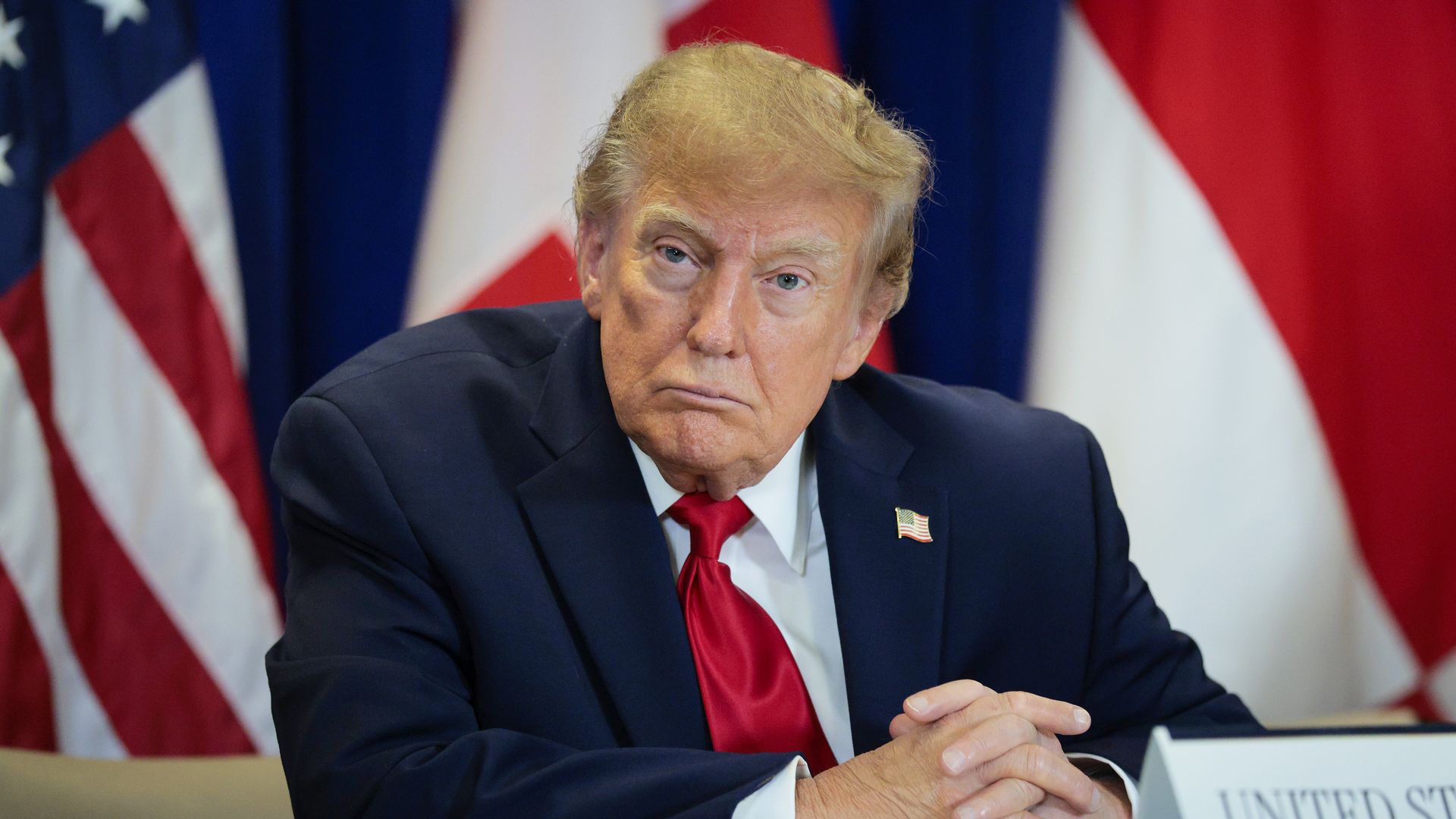
The European Union and Mexico have both voiced strong objections following United States President, Donald Trump’s declaration that he would impose a 30% tariff on their exports beginning August 1.
Mexico condemned the move as an “unfair deal,” stressing that its national sovereignty is not up for debate.
Meanwhile, EU Commission President Ursula von der Leyen signaled readiness for “proportionate countermeasures” if necessary, even as both partners reiterated their willingness to keep negotiating with Washington.
Trump has warned of more aggressive tariffs if any retaliatory action is taken by the affected countries.
This week, Trump broadened his tariff campaign, announcing upcoming duties on imports from Japan, South Korea, Canada, and Brazil.
In a letter addressed to von der Leyen on Friday, Trump wrote, “We have had years to discuss our trading relationship with the European Union, and have concluded that we must move away from these long-term-large, and persistent, trade deficits, engendered by your tariff, and non-tariff, policies and trade barriers.”
“Our relationship has been, unfortunately, far from reciprocal,” the president added.
In separate letters to the EU and Mexico, Trump made it clear that any counteraction would be met with additional tariff hikes beyond the initial 30%.
Canadian Prime Minister, Mark Carney, who had previously taken a tough stance on Trump’s trade policies, is now facing criticism over what some perceive as a retreat.
The EU has been a frequent focus of Trump’s trade grievances. Back on April 2, he floated a 20% tariff on goods from the bloc and several other nations, later threatening to increase EU duties to 50% amid stalled negotiations.
Washington and Brussels had aimed to finalize a trade agreement by July 9, but no deal has materialized so far.
In 2024, the U.S. trade deficit with the EU reached $235.6 billion (€202bn; £174bn), according to the U.S. trade representative’s office.
Von der Leyen reaffirmed the EU’s readiness to keep talks alive, “We will take all necessary steps to safeguard EU interests, including the adoption of proportionate countermeasures if required.”
“Few economies in the world match the European Union’s level of openness and adherence to fair trading practices,” she said in a statement.
EU officials earlier this week expressed hope of concluding an agreement with the U.S. before the August 1 deadline.
During the recent G7 summit in Canada, several world leaders, including von der Leyen, Carney, French President Emmanuel Macron, and Italian Prime Minister Giorgia Meloni, were photographed alongside Trump and others against a mountainous backdrop.
Macron voiced firm opposition to the proposed tariffs, stating he was in “very strong disapproval” of Trump’s decision.
He encouraged the EU to “speed up the preparation of credible countermeasures” if no deal is reached.
Bernd Lange, chair of the European Parliament’s trade committee, called Trump’s move “a slap in the face for the negotiations,” and urged Brussels to implement retaliatory measures as early as Monday. “It was no way to deal with a key trading partner,” Lange added.
While some European leaders struck a more conciliatory tone, they still emphasized the need for unity. Meloni expressed confidence in a fair resolution, “It would make no sense to trigger a trade war between the two sides of the Atlantic.” Dutch Prime Minister Dick Schoof emphasized on social media that the EU “must remain united and resolute” in striving for a “mutually beneficial” outcome.
Germany’s automotive sector expressed concern about the mounting trade tensions. The German Association of the Automotive Industry warned that increasing costs for carmakers and suppliers were “regrettable,” and cautioned against escalating the conflict further.
In his message to Mexico’s government, Trump criticized the country’s efforts on border control, claiming it had failed to prevent North America from becoming a “Narco-Trafficking Playground.”
“Mexico has been helping me secure the border, BUT, what Mexico has done, is not enough,” he stated.
Mexican President Claudia Sheinbaum remained optimistic about the outcome, “We believe, based on what our colleagues discussed yesterday, that we will reach an agreement with the USA and that we will, of course, achieve better conditions.”
“We are clear on what we can work with the USA and we are clear on what we cannot,” Sheinbaum added. “And there is something that is never negotiated, ever, and that is the sovereignty of our country.”
In a joint statement released earlier on Saturday, Mexico’s economy and foreign ministries condemned Trump’s tariff threats as an “unfair deal.”
Notably, Trump’s letter to Mexico made no mention of whether products traded under the 2020 United States-Mexico-Canada Agreement would be exempt, though the White House said Canadian goods under the agreement would be spared.
Canada itself received a letter earlier this week threatening a 35% tariff.
To date, the Trump administration has now targeted 24 nations and the EU with potential tariffs.
On April 12, White House trade adviser Peter Navarro announced an ambitious target, “90 deals in 90 days.” Thus far, two preliminary agreements have been announced, with the United Kingdom and Vietnam, while several more are under discussion.