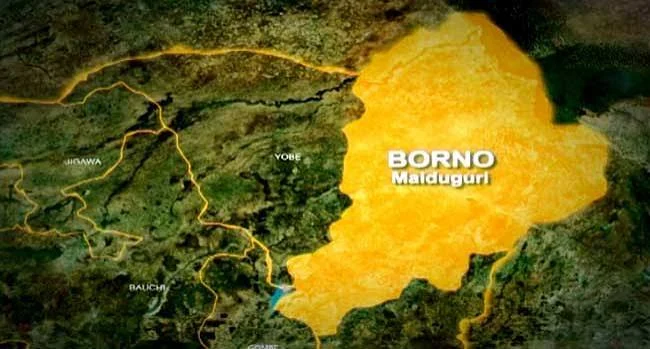
Prolonged insecurity and conflict have left about 29 per cent of teachers in affected communities across Borno State highly stressed and at risk of abandoning the profession, a new report by the Centre for the Study of the Economies of Africa has found.
The report, presented in Abuja on Tuesday, linked the growing pressure on teachers to years of insurgency, displacement and repeated disruptions to schooling in the North-East.
It warned that the situation could further weaken an already fragile education system in the region.
The study, which covered Maiduguri Metropolitan Council, Jere and Konduga Local Government Areas, involved surveys of 100 households, observations across 17 schools, 80 focus group discussions and 57 key informant interviews.
The report found that 48 per cent of schools in the communities studied had experienced temporary closures due to conflict or insecurity.
It also revealed that some local government areas recorded an average 37 per cent drop in school enrolment since 2020, while 65 per cent of households had at least one child who was out of school.
According to the findings, girls were disproportionately affected, with dropout rates across all levels reportedly 23 per cent higher among girls than boys.
The report further identified a lack of emergency preparedness as a major concern, noting that 62 per cent of schools surveyed did not have disaster preparedness or contingency plans to respond to conflict and climate-related emergencies.
On teacher development, the study found that 52.9 per cent of teachers had received what they considered adequate training within the previous 12 months, while 47.1 per cent said their training was inadequate.
The researchers stressed that regular professional development was essential to help teachers respond effectively to disruptions caused by insecurity, flooding and other emergencies.
The report stated, “When schools experience disruption, whether from flooding or insecurity, teachers need updated skills in remedial education, psychosocial support, and adaptive instruction.”
It added, “Without regular training, even when schools reopen, the quality of recovery is weakened.”
The study identified insurgency, communal conflicts, farmer-herder clashes, climate-related disasters and mass displacement as some of the major factors driving the education crisis in Borno and other parts of the North-East.
Other challenges highlighted included inadequate numbers of teachers, uneven deployment of personnel, damaged school infrastructure and gender-based disparities in access to education.
To reverse the trend, the report recommended increased recruitment and deployment of teachers to high-risk communities, continuous psychosocial training for educators and the expansion of accelerated learning programmes.
It also called for greater use of remote learning initiatives and improved collaboration between government agencies and non-governmental organisations.
The CSEA further urged increased investment in education-in-emergencies frameworks to strengthen the resilience of schools and guarantee continuous learning for children affected by conflict and disasters.
Speaking on the report, CSEA Director of Research, Adedeji Adeniran, described education as a fundamental right that plays a critical role in individual development and societal progress.
“Education is a fundamental human right essential for individual growth and well-being and for advancing social justice and poverty reduction,” Adeniran said.
He warned that denying people access to quality education could have serious consequences for individuals and the wider economy.
“Failing to guarantee this right carries steep costs: people who lack education typically earn less than those with more schooling, and societies with higher average education attain stronger economic growth,” he said.
Adeniran also urged governments across West Africa to consider alternative funding mechanisms that would help protect education budgets from economic and other disruptions.
The report comes amid continued concerns about the impact of insecurity, displacement and climate-related emergencies on education in Nigeria’s North-East, where Borno remains one of the states most affected by the country’s out-of-school children crisis.