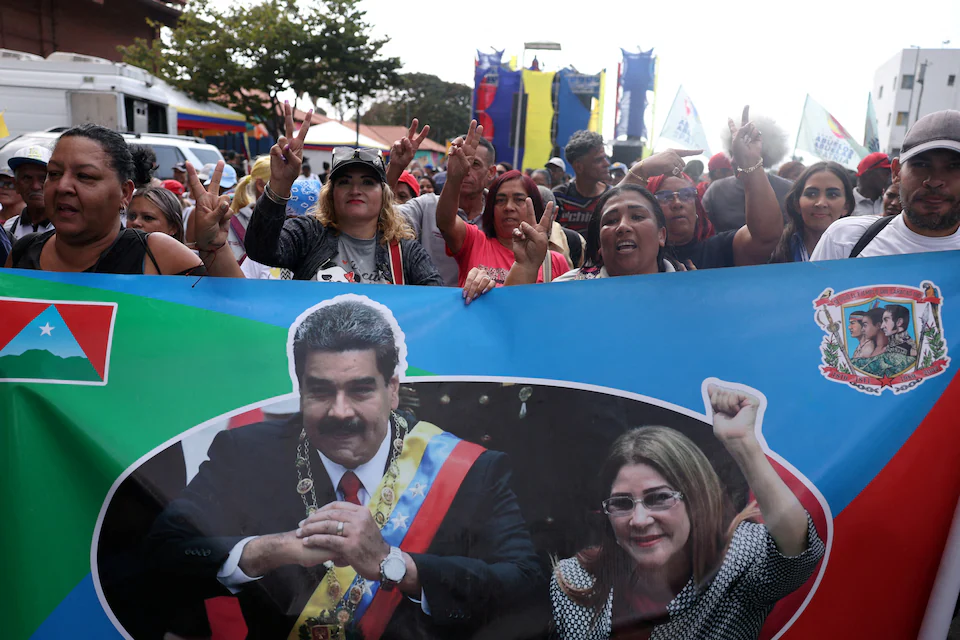
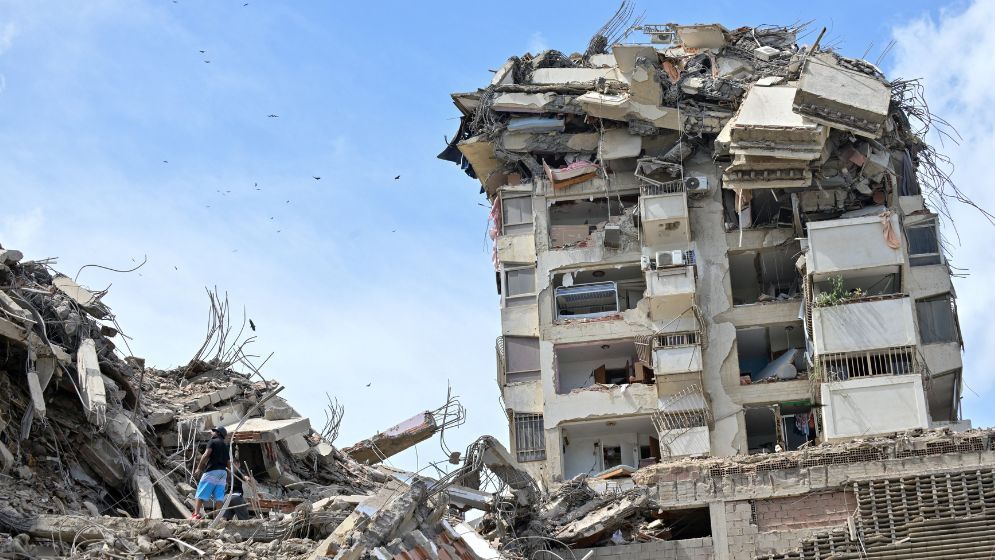
The United States’ seizure of Venezuelan leader Nicolás Maduro has drawn sharp criticism at an emergency meeting of the United Nations Security Council, with both allies and adversaries condemning the action as a violation of international law.
While many member states agreed with Washington that Maduro is an illegitimate and repressive leader, several argued that the US military operation breached the UN Charter and undermined Venezuela’s sovereignty.
They instead called for a democratic transition reflecting the will of the Venezuelan people.
France led European criticism. Its deputy ambassador, Jay Dharmadhikari, said Maduro’s capture ran “counter to the principle of peaceful dispute resolution and runs counter to the principle of the non-use of force.”
He warned that repeated violations of international law by permanent Security Council members were “chipping away at the very foundation of the international order” and weakening global peace and security.
Denmark echoed those concerns, with deputy ambassador Sandra Jensen Landi calling the situation “a dangerous precedent” and insisting that “international law and the UN Charter… must be respected.”
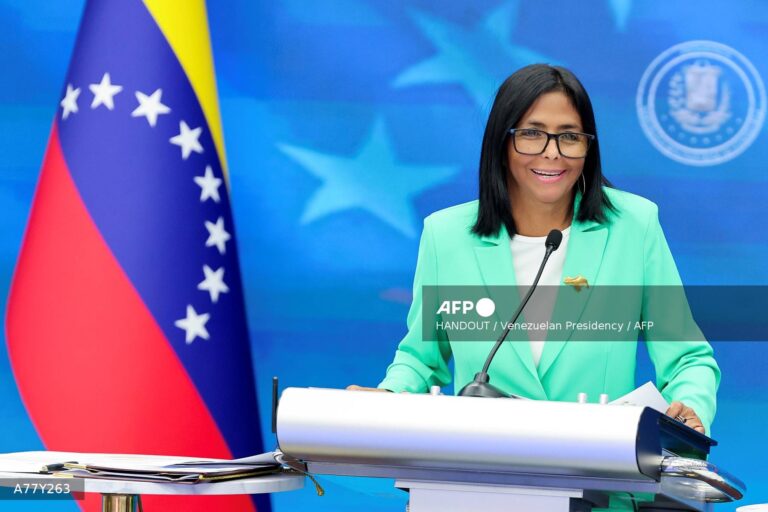
Panama raised alarms over US plans to work with figures from the current regime, warning that installing someone like Delcy Rodríguez would represent “continuity of the system and not a genuine transition.”
Colombia also condemned the move, saying there was no justification for the unilateral use of force, which it described as “a serious violation of international law and the UN Charter.”
Russia’s ambassador, Vassili Nebenzia, accused the US of “international banditry,” “neo-colonialism and imperialism,” while China said it was “deeply shocked and strongly condemned” what it called Washington’s “unilateral, illegal and bullying acts.”
In a statement delivered on his behalf, UN Secretary-General António Guterres said he was “deeply concerned that rules of international law have not been respected,” stressing that “the power of the law must prevail.”
By contrast, the UK and Greece stopped short of condemning the operation. UK ambassador James Kariuki merely said Britain wanted a “safe and peaceful transition to a legitimate government that reflects the will of the Venezuelan people,” while Greece called for “dialogue and diplomacy.”
Defending the operation, US ambassador Mike Waltz described Maduro’s capture as a law-enforcement action against an illegitimate leader tied to drug trafficking and terrorism.
“You cannot continue to have the largest energy reserves in the world under the control of adversaries of the US,” he told the Council.
The episode has exposed deep divisions within Europe, where leaders are torn between defending international law and avoiding confrontation with Washington, especially amid reliance on US support over Ukraine.
The EU reiterated that “under all circumstances, the principles of international law and the UN Charter must be upheld,” without directly addressing the US action.
France and Denmark now join Spain in openly criticising the intervention, with Spanish Prime Minister Pedro Sánchez saying his country would “not recognise an intervention that violates international law.”
Poland’s Prime Minister, Donald Tusk, argued the crisis should push Europe toward greater unity and self-reliance, warning: “No-one will take seriously a weak and divided Europe… Otherwise, we are finished.”