The United Arab Emirates has reaffirmed its commitment to trade and investment relations with African countries despite ongoing tensions in the Middle East and disruptions in the Strait of Hormuz.
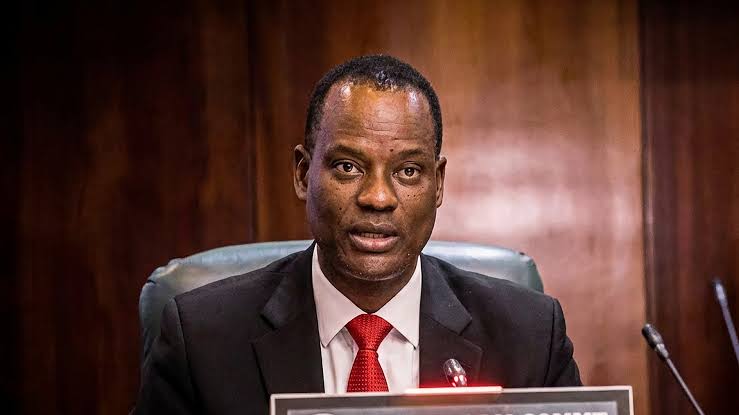
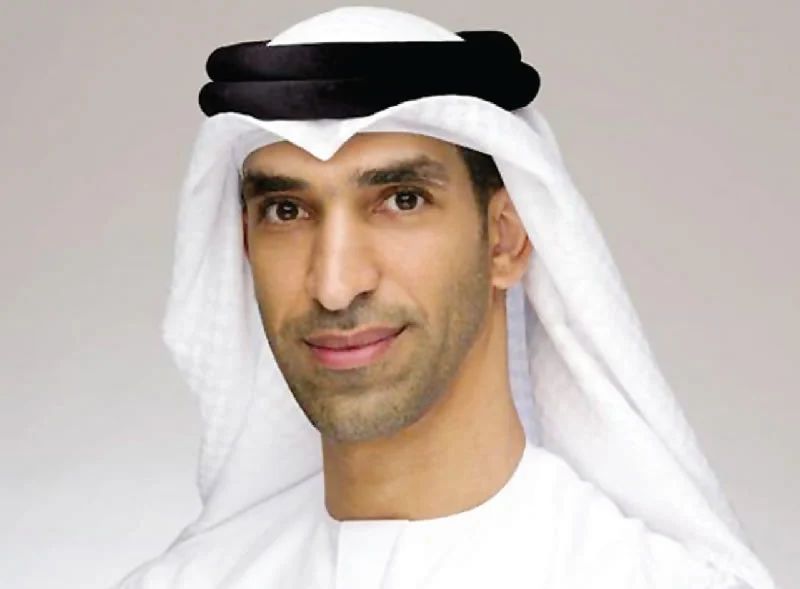
Speaking in an interview, the UAE Minister of Foreign Trade, Dr. Thani bin Ahmed Al Zeyoudi, said swift measures taken by the UAE and its Gulf Cooperation Council (GCC) partners had helped maintain stable trade flows and supply chain operations with Africa.
According to him, the disruptions posed significant challenges to global commerce, but alternative transport routes were quickly activated to minimise the impact on trade.
“The UAE has, in collaboration with our GCC neighbours, mobilised alternative land, sea and air corridors to overcome disruptions and ensure our market remains fully connected to global supply chains, including our longstanding trade with Africa,” Al Zeyoudi said.
The minister explained that contingency measures included expanded air freight services and increased utilisation of the UAE’s east coast ports of Fujairah and Khor Fakkan, which are linked to regional markets through the Etihad Rail freight network.
Addressing concerns over investment, Al Zeyoudi said investor confidence remains high, noting that the UAE invested about 110 billion dollars across Africa between 2019 and 2024, making it the continent’s largest source of new foreign direct investment.
He cited recent investments in Nigeria, including financing support for the Lagos-Calabar Coastal Highway and the establishment of a manufacturing facility in Lagos by DP World and PepsiCo.
“Investment remains robust. We have not paused our commitments to Africa and have no plans to do so,” he stated.
On diplomatic relations, the minister said engagement between the UAE and African governments had intensified since the onset of the regional crisis, with continued dialogue focused on safeguarding trade routes and maintaining market access.
Al Zeyoudi also stressed the importance of preserving free navigation through the Strait of Hormuz, describing it as a critical international trade corridor.
“The Strait of Hormuz is not owned by any single country. It is a natural passage governed by international law, and its weaponisation cannot stand,” he said.
The minister maintained that the UAE’s economic outlook remains positive, pointing to record non-oil foreign trade figures and continued inflows of foreign direct investment.
“Our strategy is to ensure the UAE remains the most attractive, stable and well-connected platform for international trade and investment. The data confirms we are succeeding,” Al Zeyoudi added.
He expressed confidence that the strong economic partnership between the UAE and African nations would continue to grow despite prevailing geopolitical challenges.