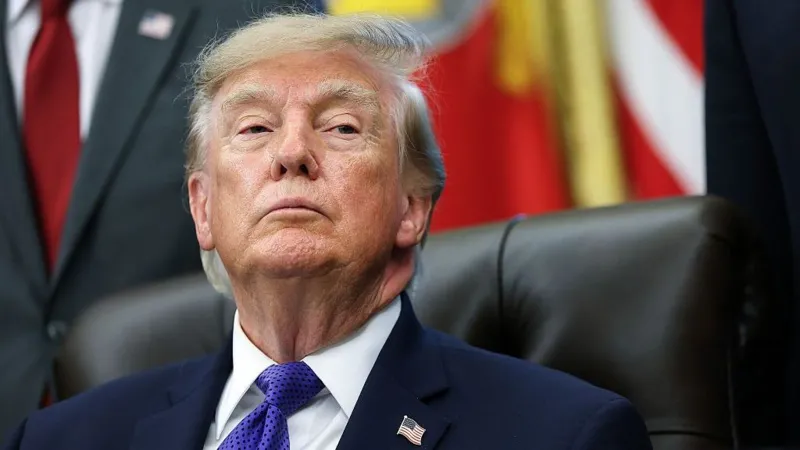
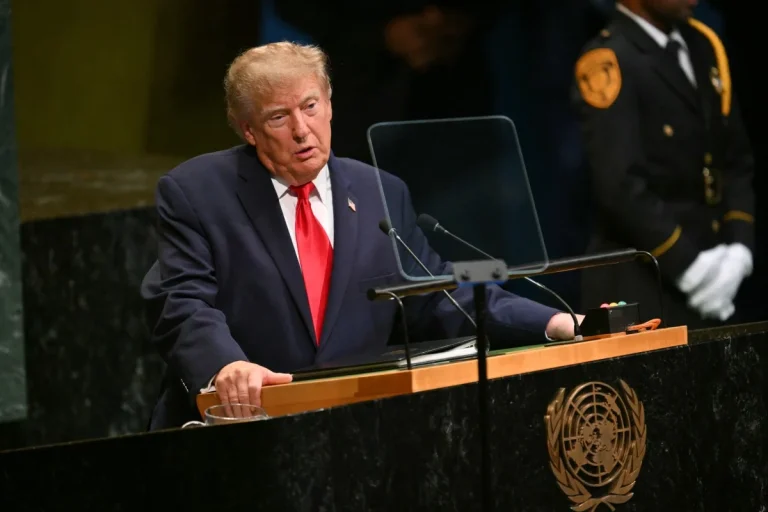
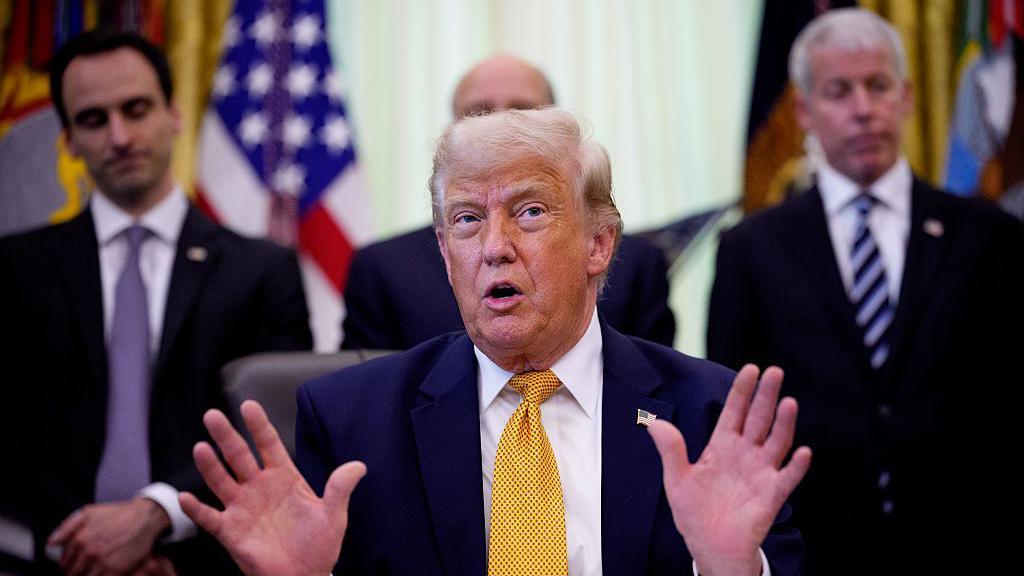
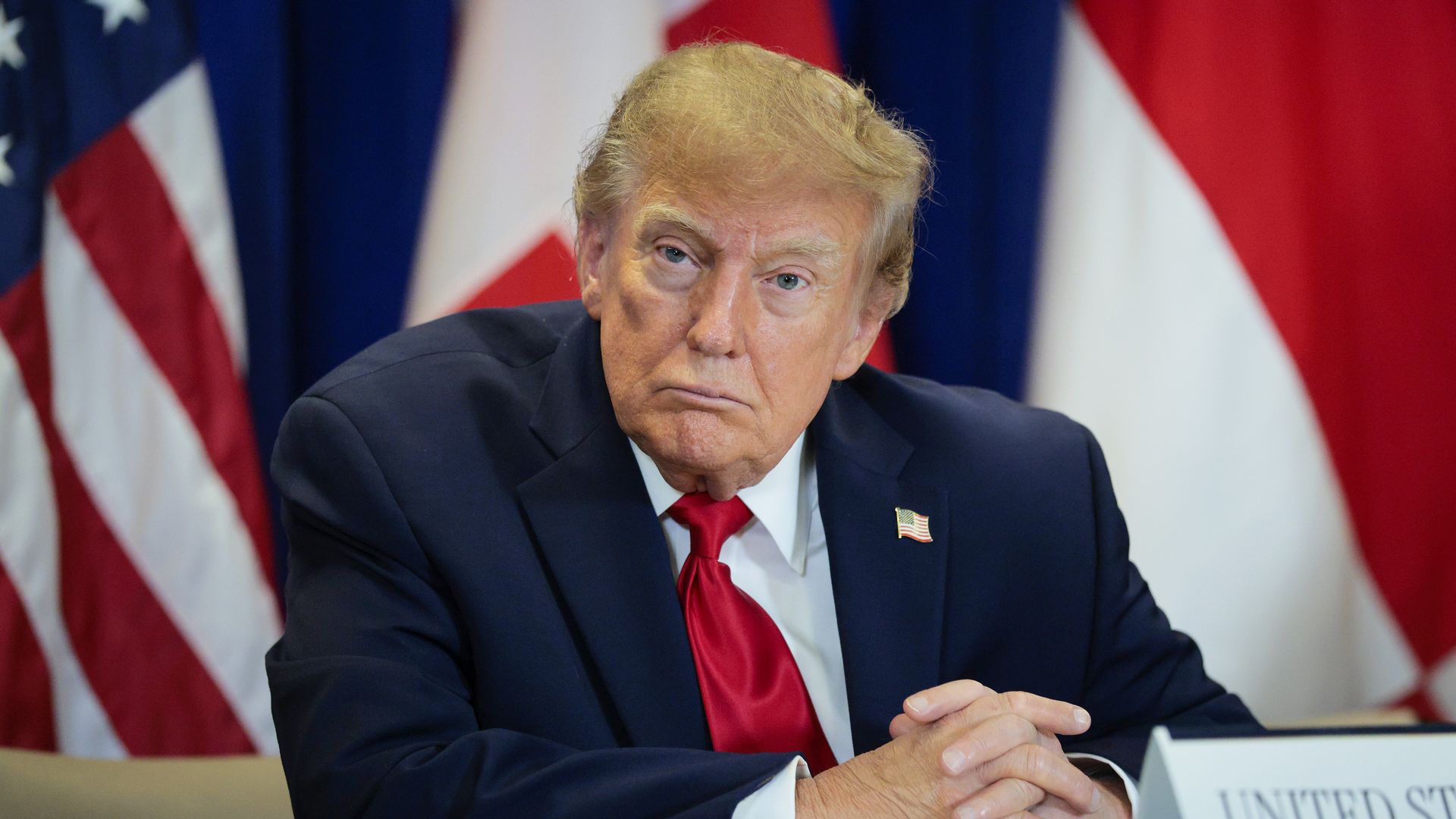
United States President, Donald Trump, on Tuesday restated a stern warning to Iran, declaring that the country would be wiped “off the face of this earth” if it ever carried out an assassination attempt against him.
The latest remarks come amid an escalating exchange of threats between Washington and Tehran, with both sides vowing massive retaliation should their leaders be targeted.
“I have very firm instructions. Anything happens, they’re going to wipe them off the face of this earth,” Trump said during a News Nation interview that aired on Tuesday, responding to questions about alleged threats from Iran against the 79-year-old leader.
Earlier the same day, Iranian General Abolfazl Shekarchi issued a counter-warning while addressing concerns over potential threats to Supreme Leader Ayatollah Ali Khamenei.
He suggested Trump was fully aware that Iran would respond forcefully if roles were reversed.
“Trump knows that if a hand of aggression is extended toward our leader, we will not only sever that hand, and this is not a mere slogan,” Shekarchi was quoted as saying by Iranian state media.
“But we will set their world on fire and leave them no safe haven in the region.”
Trump had issued a similar threat roughly a year ago, shortly after returning to the White House, when he told reporters, “if they do it, they get obliterated.”
Meanwhile, Iran continues to grapple with the aftermath of widespread unrest triggered by some of the most significant anti-government protests since the 1979 Islamic Revolution.
Human rights organisations are still attempting to verify the true scale of casualties from the crackdown.
The Human Rights Activists News Agency has reported more than 4,000 confirmed deaths, while the Norway-based Iran Human Rights group says the verification process remains severely restricted due to communication blackouts.
However, the organisation noted on Monday that available data “indicates that the number of protesters killed may exceed even the highest media estimates”, which place the figure as high as 20,000.
The protests began in December after Iran’s currency plunged to a new low, intensifying public frustration over economic hardship under the rule of the 86-year-old ayatollah, who has long resisted democratic reforms.
Members of Iran’s global diaspora have increasingly called for international action, including exiled Nobel Peace Prize laureate Shirin Ebadi, who urged the United States to take decisive steps against the ruling establishment in Tehran.
Ebadi specifically called for “highly targeted actions” against Iran’s supreme leader and senior commanders of the Islamic Revolutionary Guard Corps.