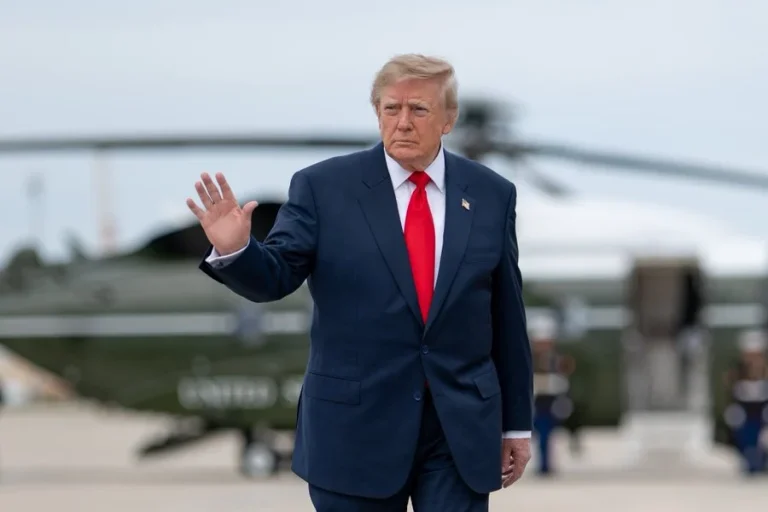
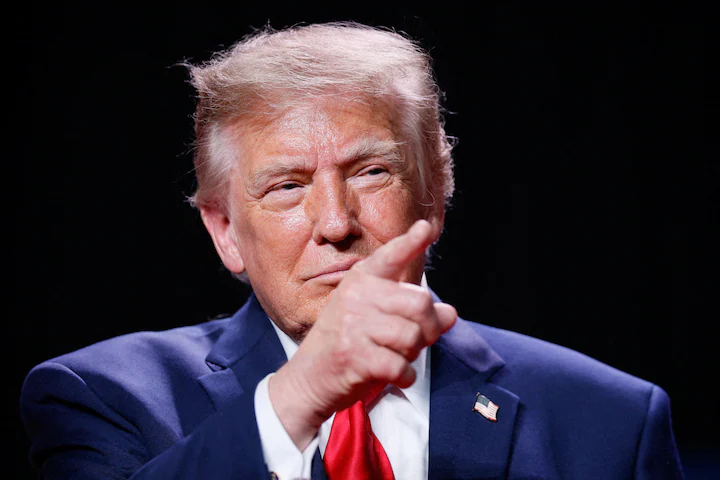
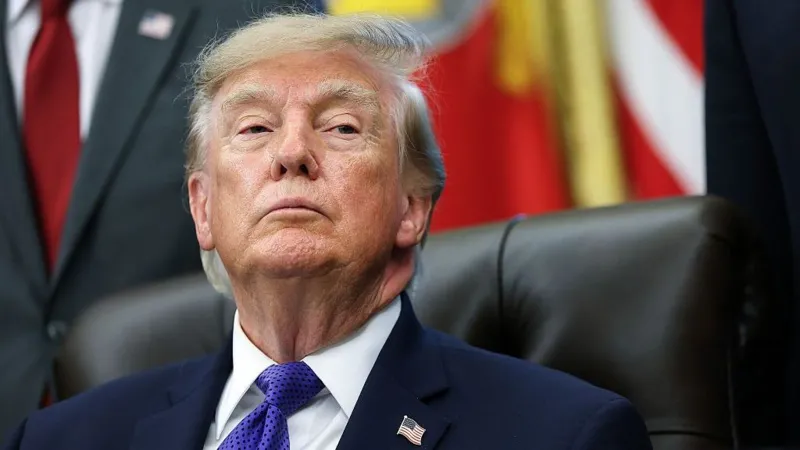
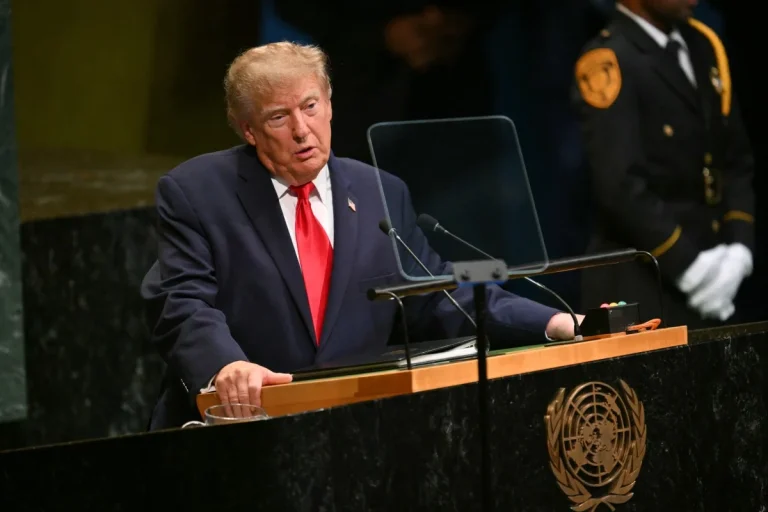
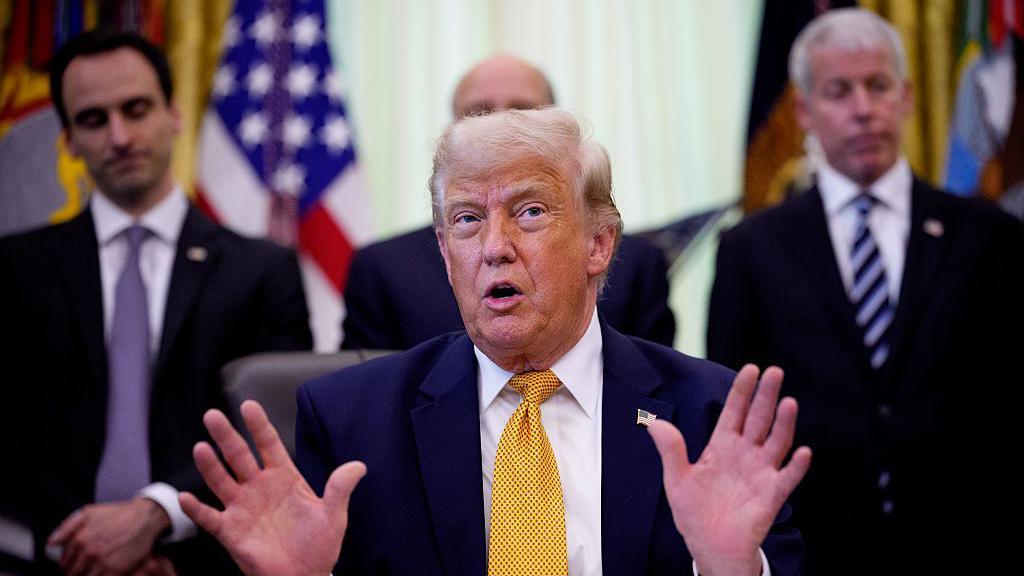
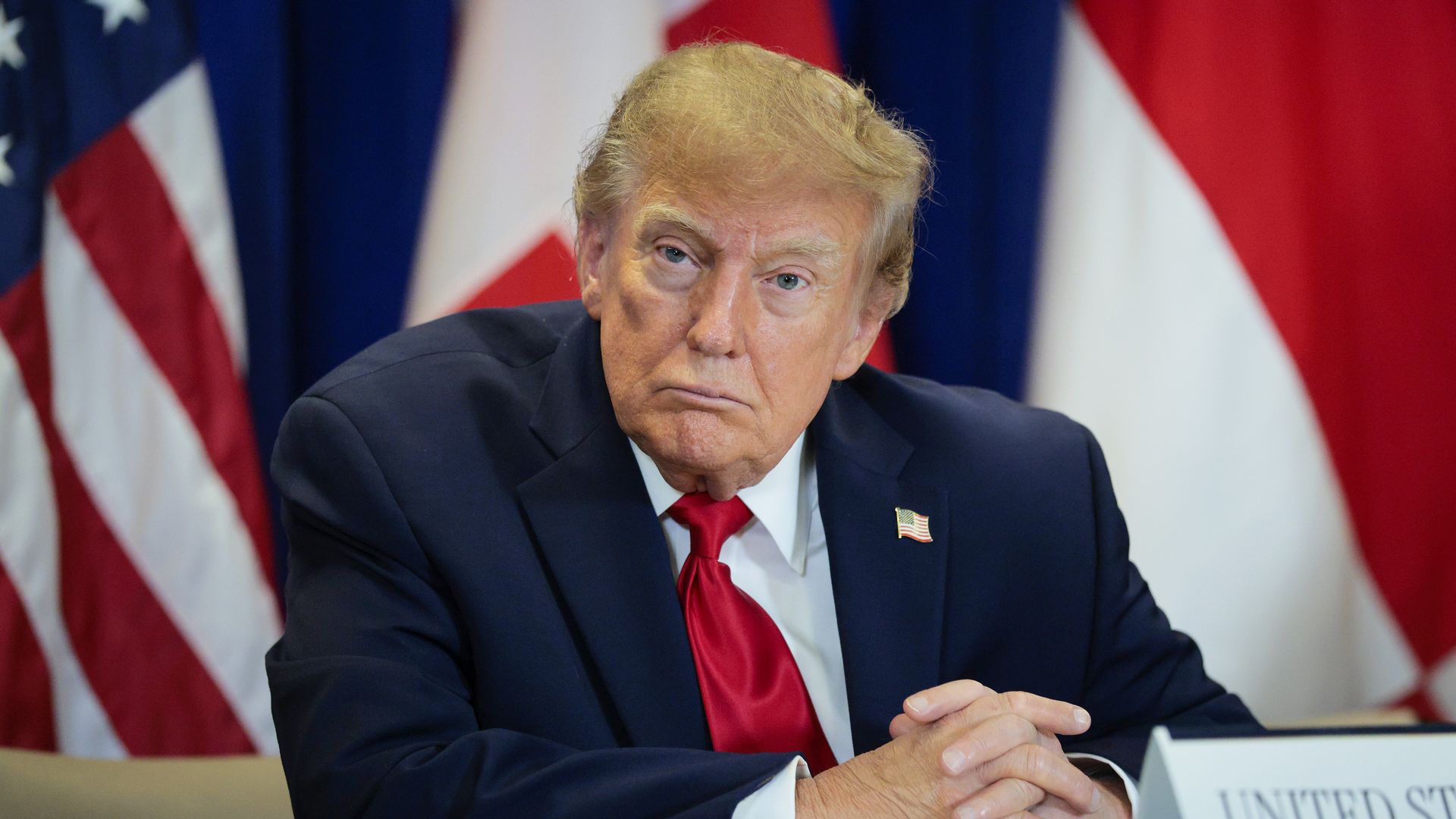
The President of the United States, Donald Trump, has warned that Iran could be left with “nothing” if a peace agreement is not reached, as an already fragile truce continued to come under pressure following fresh drone activity targeting US-aligned interests in the Gulf region.
Washington, which has been in conflict with Iran since US and Israeli forces launched strikes in late February, has struggled to bridge gaps in negotiations aimed at ending a war that has destabilised parts of the Middle East and driven up global energy prices.
Trump wrote on his Truth Social platform on Sunday: “For Iran, the Clock is Ticking, and they better get moving, FAST, or there won’t be anything left of them,” adding: “TIME IS OF THE ESSENCE!”
Meanwhile, indirect communication between the two sides has continued through mediator Pakistan, but efforts to secure a durable settlement have stalled, with a temporary ceasefire repeatedly tested.
On Sunday, fresh incidents were reported across the Gulf. Saudi Arabia said it intercepted three drones that entered its airspace from Iraq, while the United Arab Emirates reported that a drone caused a fire at the Barakah Nuclear Power Plant.
Officials said three unmanned aerial vehicles had entered from what was described as the “western border direction”.
An adviser to the UAE presidency, Anwar Gargash, condemned the incident and suggested it could involve Iran or allied groups when he stated, “The terrorist targeting of the Barakah clean nuclear power plant, whether carried out by the principal perpetrator or through one of its agents, represents a dangerous escalation.”
Iran-aligned armed factions operating in Iraq are known to possess drone capabilities, while allies of Tehran in Yemen, the Houthi movement, also deploy combat UAVs.
Attacks on Gulf states, long accused by Tehran of hosting US military and economic interests, have declined since the April 8 temporary truce between Washington and Tehran, though sporadic strikes have continued.
The wider conflict has also affected maritime security, with tensions rising around the Strait of Hormuz, a key oil shipping route handling roughly 20 percent of global supplies in peacetime. Iran has restricted passage, while the US has imposed blockades on Iranian ports in an effort to limit oil exports.
The war has further expanded through proxy dynamics, particularly in Lebanon, where Hezbollah has continued launching attacks on Israel. Israel has responded with air strikes and ground operations in southern Lebanon, deepening the regional fallout.
Although a ceasefire agreement exists between Israel and Lebanon, hostilities involving Hezbollah have persisted. Iran has linked progress on any broader settlement to a lasting ceasefire in Lebanon, a condition that has complicated diplomatic efforts.
An Israeli military official said on Sunday that Hezbollah had fired around 200 projectiles at Israel and its forces over the weekend. Lebanon’s health ministry reported that Israeli strikes in the south of the country killed five people on Sunday, including two children.
According to Lebanese authorities, Israeli military operations have killed more than 2,900 people since the war began, including 400 deaths recorded since the truce started on April 17.
Iranian media reports also indicated limited progress in negotiations, saying the United States had not offered meaningful concessions in its latest response to Tehran’s proposed framework.
The Fars news agency said Washington had presented a five-point list, which included a demand for Iran to keep only one nuclear site in operation and transfer its stockpile of highly enriched uranium to the US.
It added that Washington had refused to release “even 25 percent” of Iranian assets frozen abroad or provide compensation for war-related damages.
The Mehr news agency likewise said “the United States, offering no tangible concessions, wants to obtain concessions that it failed to obtain during the war, which will lead to an impasse in the negotiations”.
In Tehran, Pakistan’s Interior Minister Mohsin Naqvi met Iran’s chief negotiator and parliamentary speaker Mohammad Bagher Ghalibaf, as diplomatic efforts continued behind the scenes.
Following the talks, Ghalibaf said the conflict had reshaped perceptions of regional security.
“Some governments in the region believed that the presence of the United States would bring them security, but recent events showed that this presence is not only incapable of providing security, but also creates the grounds for insecurity,” he said.