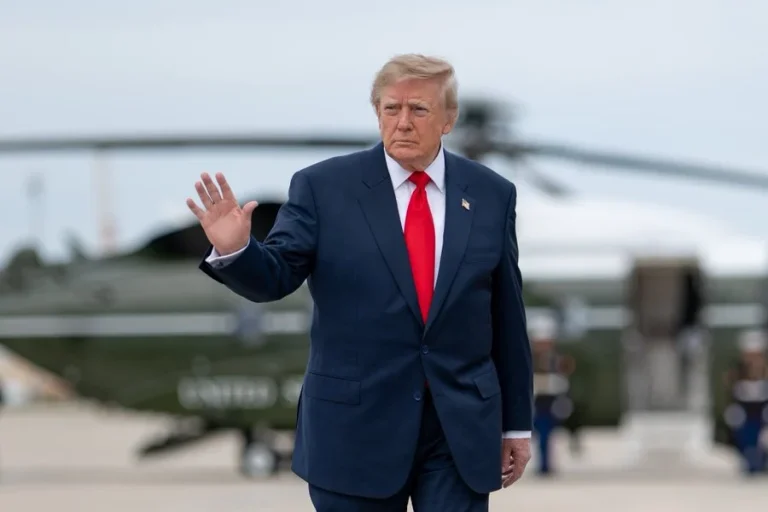
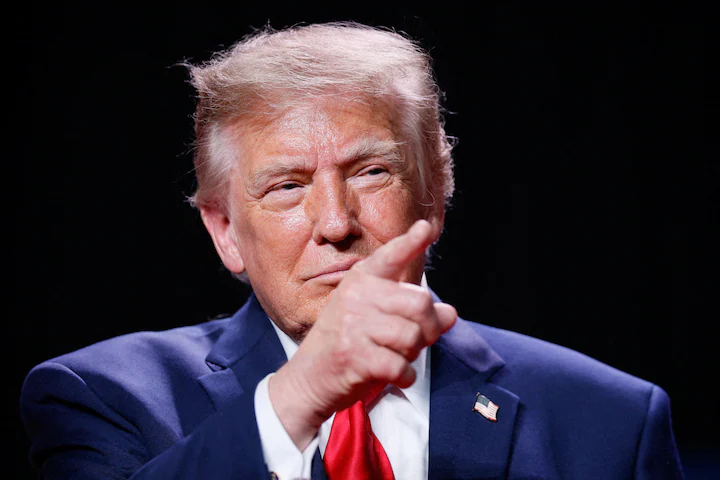
United States President, Donald Trump, has overturned a pivotal Obama-era scientific determination that has long formed the foundation of federal efforts to curb greenhouse gas emissions.
The 2009 “endangerment finding” concluded that several greenhouse gases posed a danger to public health. Since then, it has underpinned federal regulations across multiple sectors, including automobiles, power plants, and even aircraft emissions.
The White House described the move as “the largest deregulation in American history,” claiming it will reduce vehicle costs by $2,400 per car and relieve pressure on automakers.
Environmental groups, however, warn that the rollback represents the most consequential attempt yet to undo US climate protections and are preparing legal challenges.
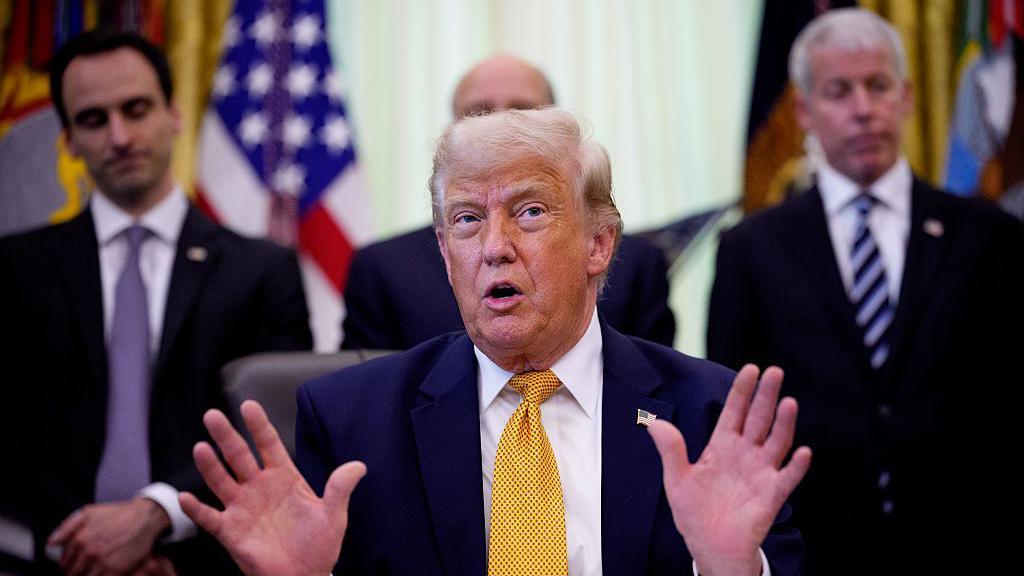
Speaking from the Oval Office on Thursday, Trump criticized the original rule. “The 2009 ruling was a disastrous Obama era policy that severely damaged the American auto industry and massively drove up prices for American consumers,” he said.
He also dismissed Democrats’ climate agenda, adding, “This radical rule became the legal foundation for the Green New Scam, one of the greatest scams in history.”
Former President Barack Obama, who rarely comments on sitting administrations, condemned the repeal. “Without it, we’ll be less safe, less healthy and less able to fight climate change — all so the fossil fuel industry can make even more money,” he wrote on X.
The Environmental Protection Agency (EPA) first recognized the risks posed by greenhouse gases in 2009, declaring six key gases, including carbon dioxide and methane, threats to human health. With Congress unable to pass comprehensive climate legislation, the finding became central to US federal regulation of emissions.
“The endangerment finding has really served as the lynchpin of US regulation of greenhouse gases,” explained Meghan Greenfield, a former EPA and Department of Justice attorney. “So that includes motor vehicles, but it also includes power plants, the oil and gas sector, methane from landfills, even aircraft. So it really runs the gamut, all of the standards for each of the sectors is premised on this one thing.”
Trump administration officials emphasize the financial benefits of the reversal. White House press secretary Karoline Leavitt said the move could save more than $1tn and help lower energy and transportation costs.
“Reversing the finding would reduce automobile manufacturers’ spending by $2,400 per vehicle,” she told reporters.
Yet environmentalists question the claimed savings. Peter Zalzal from the Environmental Defense Fund warned, “It’s going to force Americans to spend more money, around $1.4tn in additional fuel costs to power these less efficient and higher polluting vehicles.”
He added that the policy could have severe health consequences: “We’ve also analysed the health impacts and found that the action would result in up to 58,000 additional premature deaths, 37 million more asthma attacks.”
Industry reactions are mixed. While the rollback may ease regulatory burdens, some US automakers may face challenges abroad.
“This rollback is sort of cementing things that have already been done, such as the relaxation of the fuel economy standards,” said Michael Gerrard, a climate law expert from Columbia University. “But it really does put the US automakers in a bind, because nobody else is going to want to buy American cars.”
Observers also warn of unintended consequences. The 2009 finding has historically limited state-level actions and lawsuits, giving the federal government sole authority over greenhouse gas regulations.
“The endangerment finding decision has blocked any number of lawsuits, and has been pretty powerful in keeping plaintiffs’ claims out of court,” noted Greenfield, now with the Washington law firm Jenner & Block. “I would expect states and non-profit groups to bring suits, probably primarily in our state courts, to try to figure out where the contours of this new law are.”
Scientific debate will also play a central role in any legal battles. A Department of Energy panel last year challenged mainstream climate science, underpinning the administration’s push to overturn the finding.
However, critics argued the panel was unrepresentative and biased toward climate skepticism. A federal judge recently ruled the department violated the law in forming the hand-picked team.
Some legal experts suggest the administration may be seeking a Supreme Court showdown.
“This is really different as the EPA is exiting the space entirely and wants to do it on a permanent basis,” Greenfield said. “If they were to win that issue as they framed it before the Supreme Court, a new presidential administration could not change that position, in the absence of new legislation.”