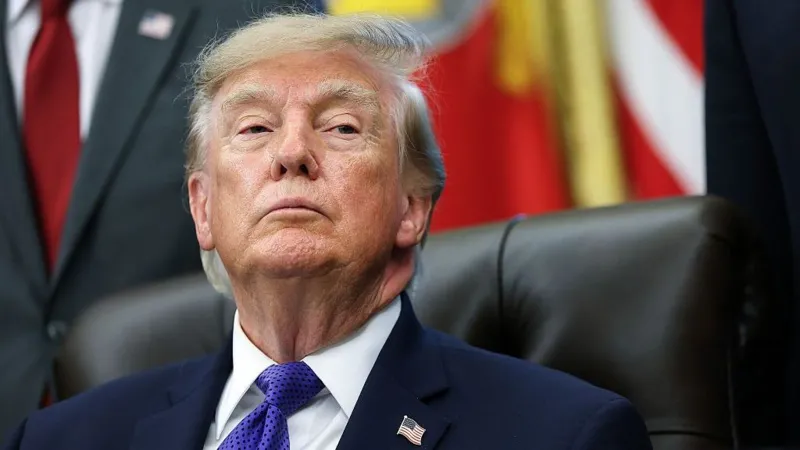
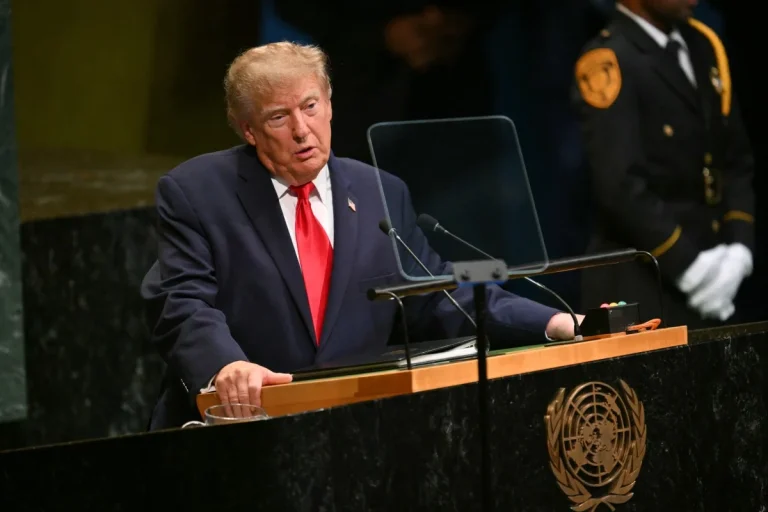
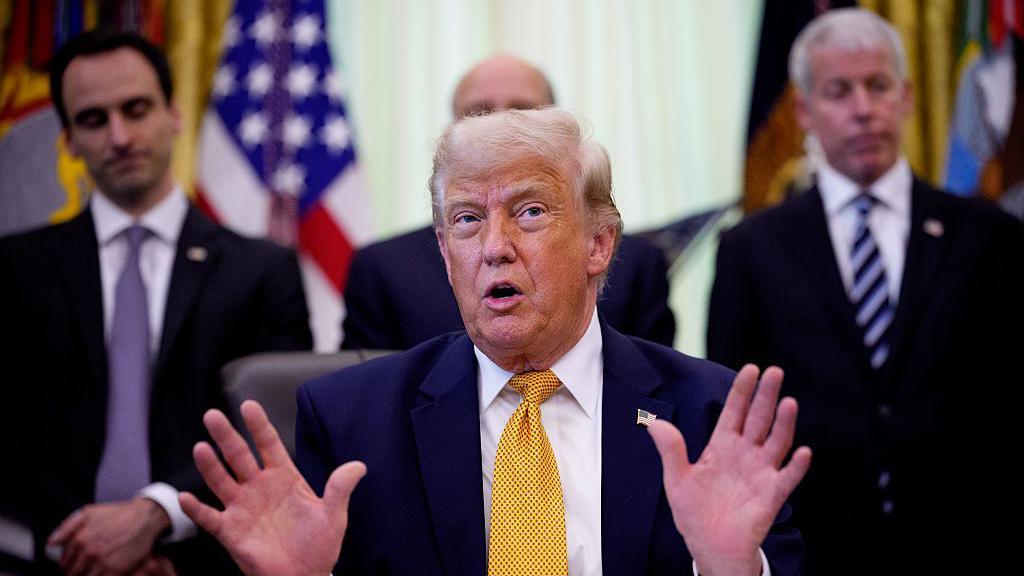
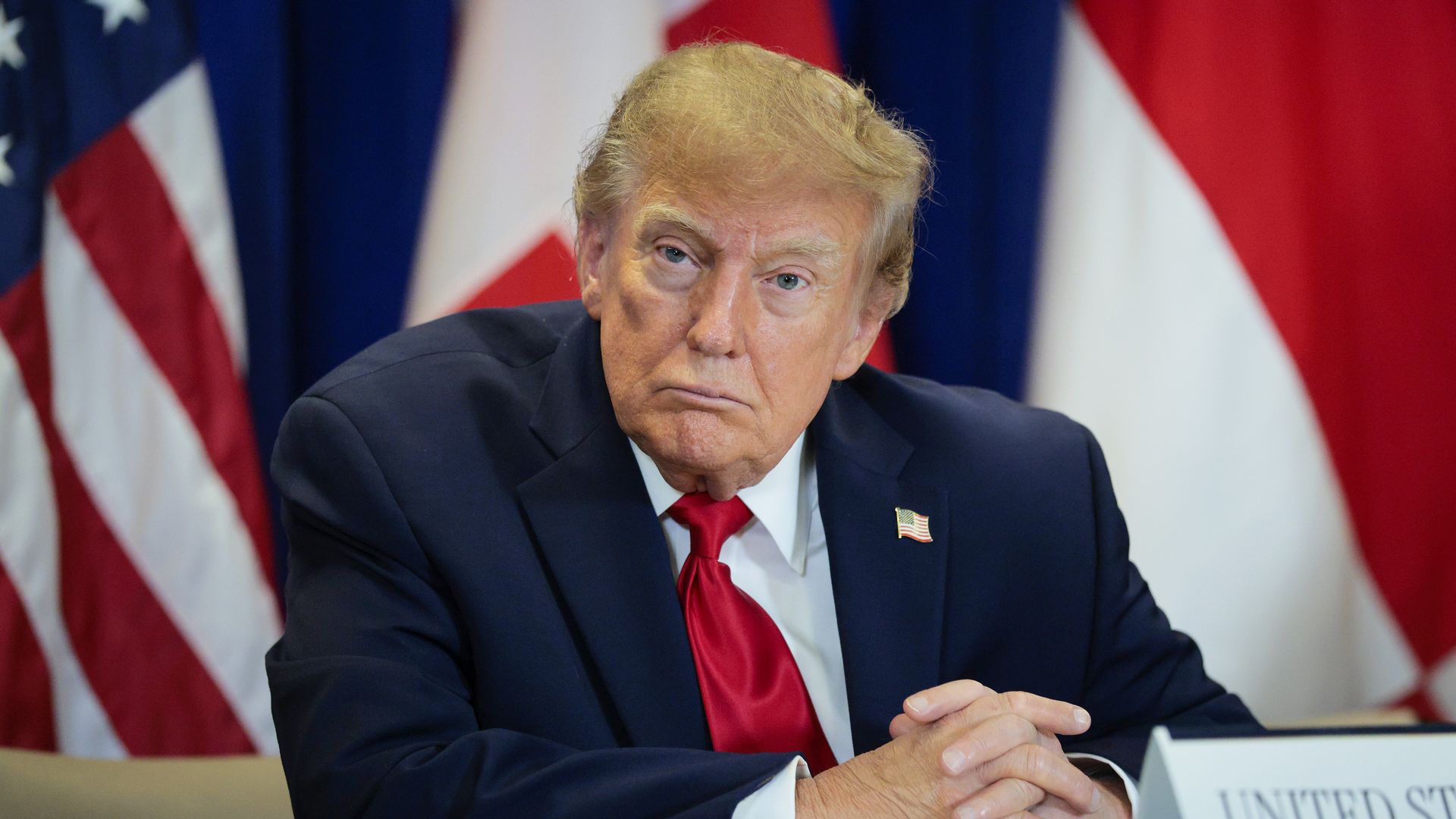
The administration of United States President, Donald Trump, has declassified a vast collection of documents concerning the 1968 assassination of civil rights icon Dr. Martin Luther King Jr., unveiling long-suppressed surveillance files compiled by the FBI.
The documents, totaling 230,000 pages, had remained sealed under a court order since 1977.
Their release has sparked mixed reactions, particularly from King’s family, some of whom fear the files may be weaponized to distort his legacy.
In a statement, King’s surviving children, Martin Luther King III and Bernice King, voiced strong opposition to the timing and potential misuse of the materials,”We ask those who engage with the release of these files to do so with empathy, restraint, and respect for our family’s continuing grief. The release of these files must be viewed within their full historical context.”
They highlighted the aggressive campaign of surveillance and disinformation waged against their father by the FBI under the direction of J. Edgar Hoover, “During our father’s lifetime, he was relentlessly targeted by an invasive, predatory, and deeply disturbing disinformation and surveillance campaign orchestrated by J Edgar Hoover through the Federal Bureau of Investigation.”
The family also pointed to a 1999 civil lawsuit verdict that concluded King was not killed by a lone gunman, but rather was the victim of a broader conspiracy.
They underscored the deep violation of their father’s civil liberties by federal agencies, “The government’s surveillance had denied King the ‘dignity and freedoms of private citizens’.”
Dr. King, a Baptist preacher and Nobel Peace Prize laureate, was shot dead on April 4, 1968, in Memphis, Tennessee, at the age of 39. James Earl Ray, a known criminal, pleaded guilty to the murder in 1969 and received a 99-year prison sentence.
Though he later attempted to retract his confession, claiming he had been manipulated by conspirators, his plea was never overturned. He died in 1998 at age 70.
The Office of the Director of National Intelligence announced the declassification on Monday, stating that the files had “sat collecting dust in facilities across the federal government for decades, until today.”
The release was coordinated with several federal agencies, including the FBI, CIA, Department of Justice, and the National Archives.
The files include internal FBI memos and previously unseen CIA records connected to the investigation of King’s assassination.
U.S. Attorney General Pamela Bondi emphasized the importance of the release, stating, “The American people deserve answers decades after the horrific assassination of one of our nation’s great leaders.”
While some family members condemned the timing, others expressed gratitude. Alveda King, King’s niece, welcomed the move, saying, “I am grateful to President Trump and DNI Gabbard for delivering on their pledge of transparency. While we continue to mourn his death, the declassification and release of these documents are a historic step towards the truth that the American people deserve.”
The declassification follows Trump’s earlier directive to unseal files related to the assassinations of President John F. Kennedy and his brother, Senator Robert F. Kennedy.
However, civil rights leader Rev. Al Sharpton criticized the move, suggesting it was politically motivated. He said the timing was suspicious, given mounting pressure on the Trump administration over its handling of documents linked to Jeffrey Epstein, “The disclosure of the King files was a desperate attempt to distract from the firestorm engulfing Trump over the Epstein files and the public unraveling of his credibility.”
James Earl Ray’s actions before his capture included fleeing to Canada, Portugal, and the UK, where he committed a bank robbery.
He was eventually extradited back to Memphis, where he entered a guilty plea that stood for the rest of his life, despite multiple appeals.