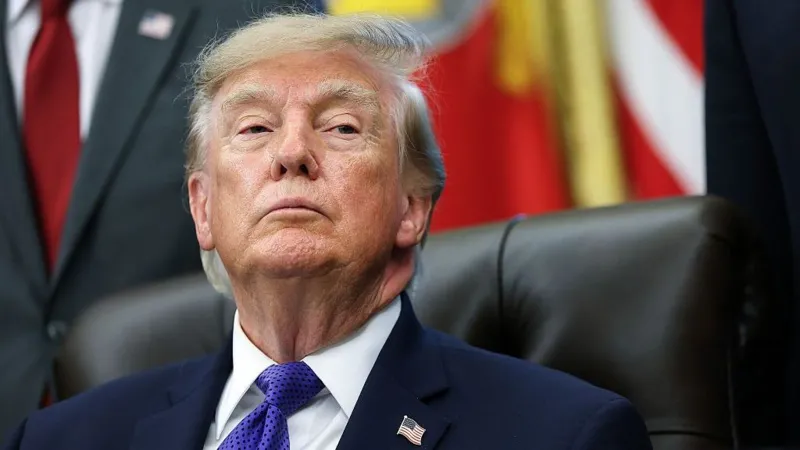
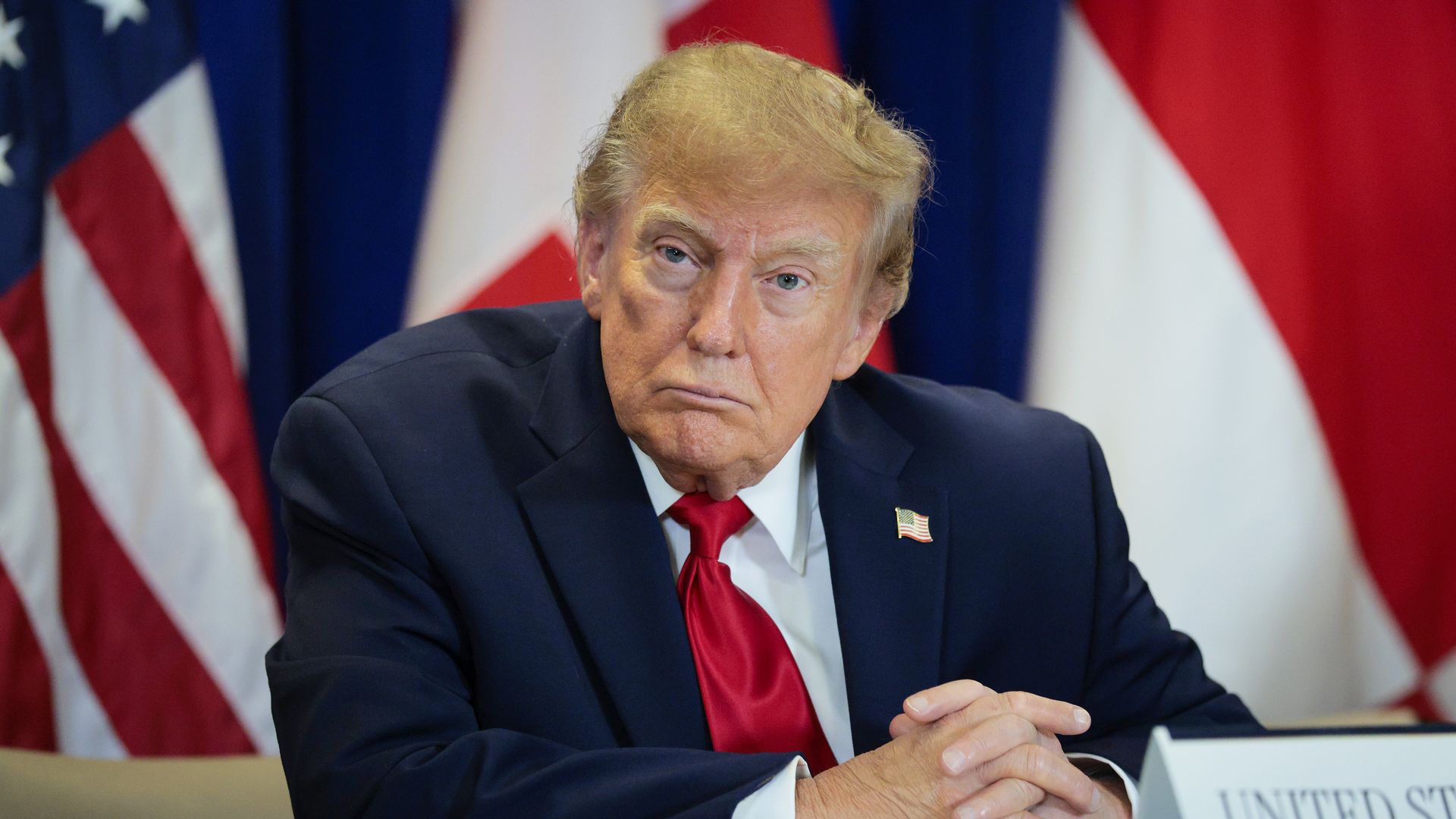
United States President,Donald Trump, on Tuesday said it was “too late” for Iran to pursue negotiations, insisting the country’s military command structure and key defence capabilities had already been crippled in the ongoing hostilities.
In a post on Truth Social, Trump wrote, “Their air defense, Air Force, Navy, and Leadership is gone. They want to talk. I said ‘Too Late!’”
He was referencing a Washington Post opinion article titled “We’re witnessing the birth of the Trump Doctrine: Like Reagan, the president has found a way to change the world without putting boots on the ground.”
The president’s comments came as fighting entered its fourth day after coordinated US and Israeli strikes on Iran over the weekend.
Reaffirming his hardline stance, Trump declared that Washington possessed enough military reserves to maintain an extended campaign if necessary.
In another overnight social media message, he claimed there was a “virtually unlimited supply” of US munitions and suggested wars could be fought “forever, and very successfully, using just these supplies.”
“The United States is stocked, and ready to WIN, BIG!!!” he added.
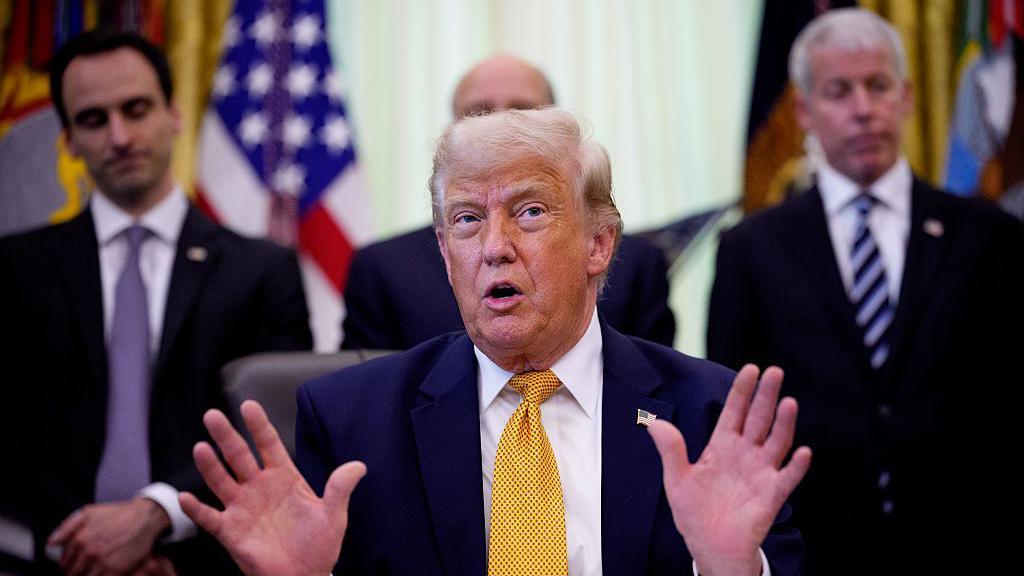
Speaking briefly at the White House before a Medal of Honor ceremony, his first public appearance since tensions escalated, Trump said the operation was advancing more quickly than expected.
Although he declined to specify how long the offensive might continue, he noted that early estimates had projected a four- to five-week timeline.
“We’re already substantially ahead of our time projections. But whatever the time is, it’s OK. Whatever it takes,” he said.
As clashes intensified on Tuesday, the conflict spread further across the Gulf region, with fresh missile and drone attacks reported, diplomatic facilities targeted and global energy markets unsettled.
Iran appealed to the United Nations Security Council to step in and stop the violence. Foreign ministry spokesman Esmaeil Baqaei said the council had both the authority and responsibility to intervene if it chose to act, as hostilities deepened.
Casualties continued to rise. The Iranian Red Crescent reported that 787 people had been killed in Iran following sustained US and Israeli bombardment.
The United States, meanwhile, urged its citizens to depart much of the Middle East due to heightened security threats. The advisory spanned countries from Egypt through the Gulf, including Israel, Iraq, Jordan, Lebanon and Syria, even as flight disruptions complicated evacuation efforts.
Tensions escalated sharply around the Strait of Hormuz, a vital global oil corridor. A senior adviser to Iran’s Revolutionary Guards commander announced the strategic passage had been shut and warned that ships attempting to transit could face attack.
The strait accounts for roughly one-fifth of global oil consumption and is a crucial export route for major Gulf producers.
Oil prices surged amid fears that prolonged instability could disrupt supplies.
Across the region, missile and drone strikes continued. Two drones hit the US embassy compound in Riyadh, causing minor damage and prompting “shelter in place” orders for American staff.
Qatar and the United Arab Emirates said they intercepted incoming projectiles, while smoke was seen near diplomatic locations in Kuwait.
Israeli Prime Minister Benjamin Netanyahu defended the military action as necessary and pre-emptive, arguing that Iran had been accelerating efforts to strengthen its nuclear and ballistic missile programmes.
He characterised the campaign as decisive, stressing it was not intended to become a prolonged war.
India also expressed concern over the escalating violence, opposing attacks on commercial shipping while assuring that its energy reserves were adequate to manage short-term disruptions.
With both Washington and Tehran entrenching their positions, the fourth day of fighting highlighted how swiftly a targeted military operation had transformed into a broader regional confrontation carrying significant global security and economic consequences.