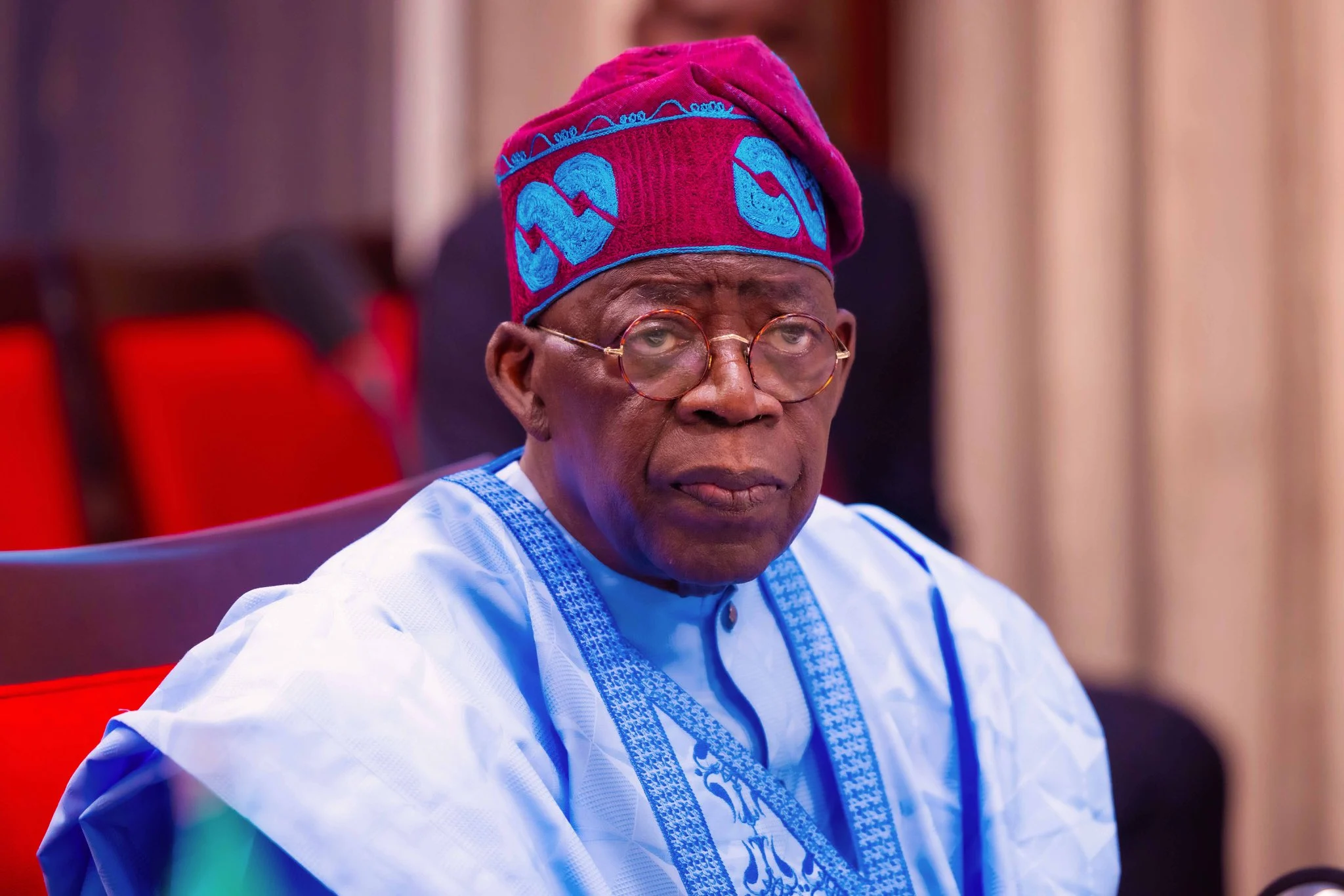
The Senior Special Assistant to the President on Community Engagement in the North-West, Alhaji Abdullahi Tanko-Yakasai, has highlighted that the federal road projects currently underway across Nigeria are strategically planned to unlock rural communities’ socio-economic potential and enhance urban–rural connectivity.
Tanko-Yakasai made the remarks during an inspection of sections of the Sokoto–Badagry Superhighway and the commissioning of completed emergency road rehabilitation works along the Sokoto–Jega–Birnin Kebbi corridor, projects executed by the Federal Government in 2024.
He listed several flagship initiatives, including the 750-kilometre Lagos–Calabar Coastal Road Corridor, the 1,068-kilometre Sokoto–Badagry Superhighway, the Calabar–Abuja Superhighway, the 482-kilometre Trans-Saharan Road, and the 439-kilometre Akwanga–Jos–Bauchi–Gombe Road.
Tanko-Yakasai noted that the Sokoto–Badagry Superhighway was initially envisioned during the administration of the late President Shehu Shagari in the 1980s but is now being realised under President Bola Ahmed Tinubu. He urged Nigerians to back the President in ensuring continuity of what he described as “people-oriented legacy projects.”
“President Tinubu’s Renewed Hope Agenda is aimed at encouraging infrastructure development and uplifting socio-economic activities across the country,” he said.
Tanko-Yakasai also praised the Minister of Works, Senator David Umahi, for leading the execution of four major legacy highway projects designed to improve road networks and rail connectivity across the six geopolitical zones.
At the event, the Federal Controller of Works in Sokoto State, Kassimu Maigwandu, explained that the Sokoto axis project spans about 120 kilometres. He said it features a six-lane concrete highway, bridges, solar-powered streetlights, and a railway line.
The design also incorporates CCTV cameras, health posts, and strategic security stations to enhance safety and emergency response, Maigwandu added. The project is being executed in phases across multiple communities, with contractors operating from six sites simultaneously under robust security arrangements.
“This legacy project is more than infrastructure. It is meant to rejuvenate economic activities in agriculture, tourism, education, health, and other sectors for the benefit of citizens,” he said.
The Nigerian Society of Engineers (NSE) and the Coalition of Community-Based Organisations (CBOs) in Sokoto State expressed satisfaction with the work’s pace and quality. NSE Sokoto Chairman Abubakar Ibrahim said the steady progress reflected President Tinubu’s commitment to improving Nigerians’ lives, particularly in rural areas.
“Affected rural communities have been removed from bondage. The road will open up more opportunities, and the quality of work will benefit Nigerians for a long time. Some people earlier doubted the reality of the project, but now it has become a reality,” he said.
Similarly, Dr Abdurrahman Umar, Secretary of the Coalition of NGOs in Sokoto State, described the superhighway as a landmark achievement that would greatly boost socio-economic activities nationwide.
He noted that the road connects seven states from northern to southern Nigeria and is being constructed to international standards with modern facilities capable of transforming the country’s economic fortunes.
Alhaji Chika Abbas, Deputy Director of Civil Engineering at the Sokoto State Ministry of Works, said the project would improve living standards and complement state government development efforts.
Project Manager of HITECH Construction Company, Mr John Fourie, expressed gratitude to community leaders and residents for their cooperation, describing the relationship with workers as cordial. “Clearing, concrete pavement laying, installation of solar lighting, and other activities are ongoing concurrently across the six sites to ensure speedy completion,” he said.
Residents along the road expressed appreciation to the Federal Government. Alhaji Halliru Alfada said the project would ease transportation of farm produce and enhance livelihoods.
“Most residents engage in rainy-season farming and face difficulties transporting their harvests. With the new road network, dams, and other facilities, we can also do dry-season farming and move our goods smoothly to markets,” he said.
Another resident, Alhaji Maude Aliyu, noted that the highway links communities such as Katami, Alfada, Kabin Kaji, Gumbaye, Burgu, Gadanbe, Gidan Gara, and Silame, where agriculture is the main occupation.
Other community members commended President Tinubu’s leadership, citing the road’s potential to impact youth and women empowerment, healthcare, education, and national development.
?