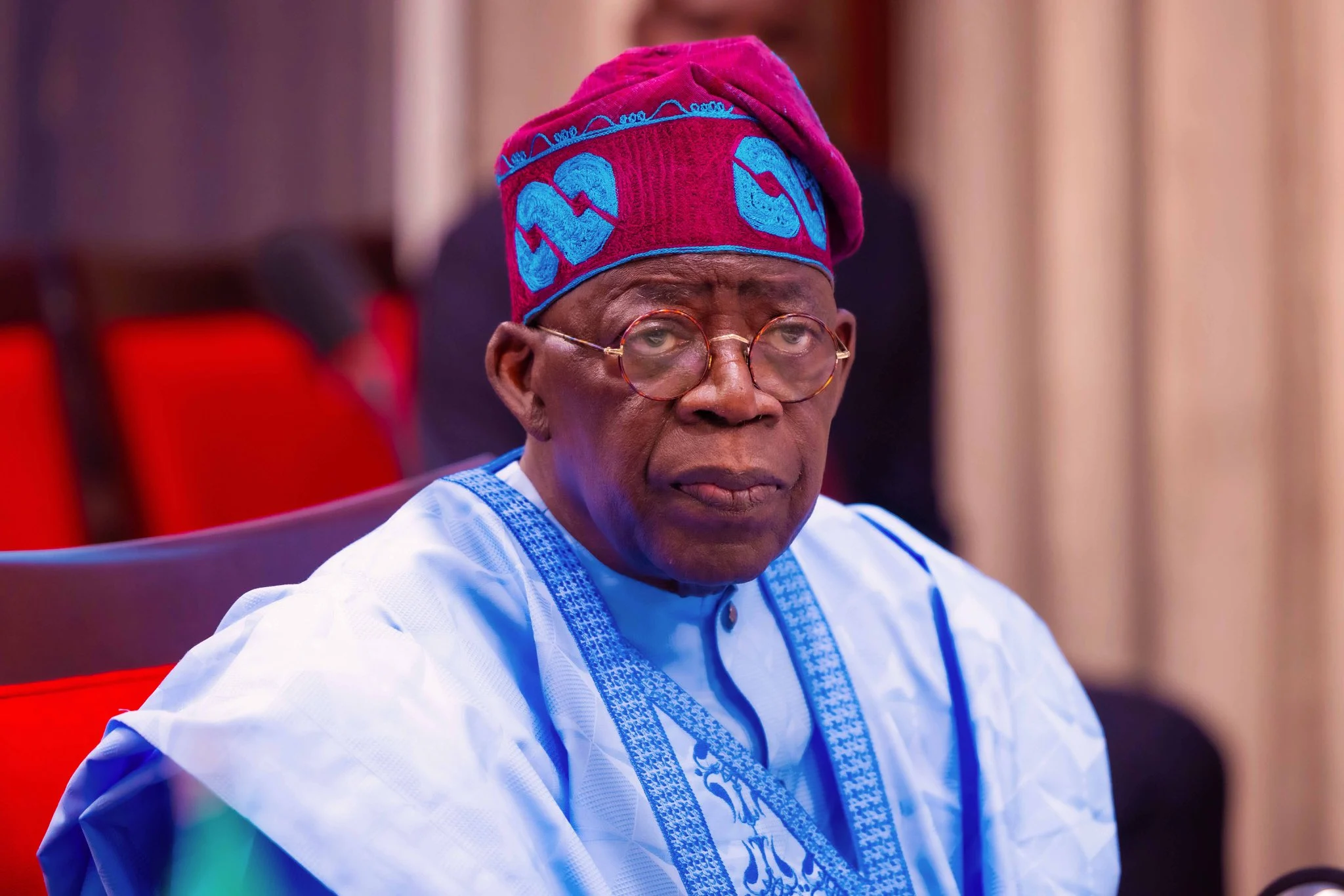
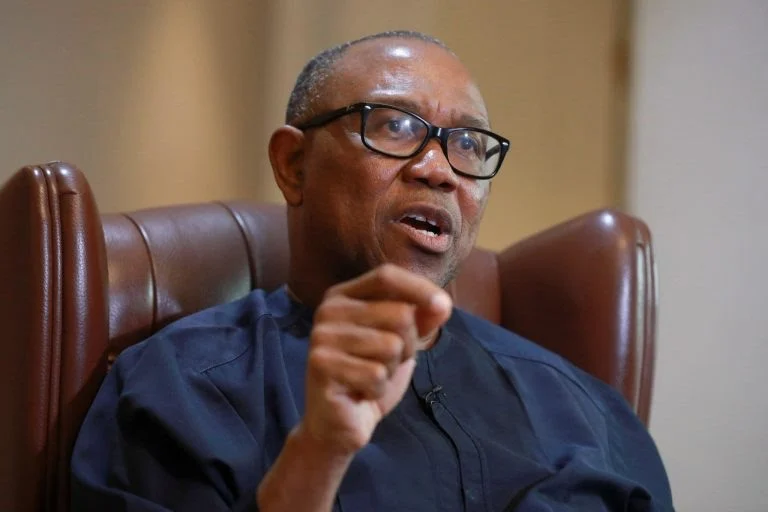
The Special Assistant to President Bola Ahmed Tinubu on Social Media, Dada Olusegun, has criticised the 2023 presidential candidate of the Labour Party, Peter Obi, over his comments on the recent increase in fuel prices in Nigeria.
Olusegun, in a post on X on Saturday, faulted Obi’s explanation linking the rise in petrol prices to the absence of a strategic petroleum reserve, describing the remarks as misleading.
Obi, a former governor of Anambra State, had earlier expressed concern that petrol, which sold for less than ₦1,000 per litre weeks ago, had climbed to over ₦1,200, while diesel had risen above ₦1,500 per litre.
He attributed the increase partly to global oil market tensions involving Iran and Nigeria’s lack of a buffer system such as a strategic petroleum reserve.
“The reason for this is straightforward: most countries maintain strategic petroleum reserves to cushion supply or price shocks,” Obi said, adding that Nigeria’s vulnerability shows a lack of long-term planning.
However, Olusegun argued that the more immediate cause of the price increase was the deregulation of the fuel market following the removal of subsidy by the Tinubu administration.
“The recent rise in fuel prices in Nigeria is not primarily because the country lacks a strategic petroleum reserve,” Olusegun said.
“The more immediate factor is that the fuel market is now largely deregulated following the subsidy removal.”
He explained that in a deregulated system, petrol prices respond directly to global oil prices, exchange rates, shipping costs and supply risks.
Olusegun also dismissed the suggestion that strategic petroleum reserves are used to control everyday pump prices, noting that countries such as the United States and China typically maintain them for major supply emergencies like wars or global disruptions.
According to him, Nigeria’s main challenge remains its long-standing dependence on imported refined petroleum products due to limited domestic refining capacity.
“Real planning would involve expanding domestic refining capacity, strengthening supply chains, stabilising the foreign exchange environment and maintaining consistent energy policies,” he said.
Olusegun further reminded Obi that he had supported the removal of fuel subsidy during his 2023 presidential campaign, saying the policy now allowing market-driven fuel prices was one the former governor had previously endorsed.