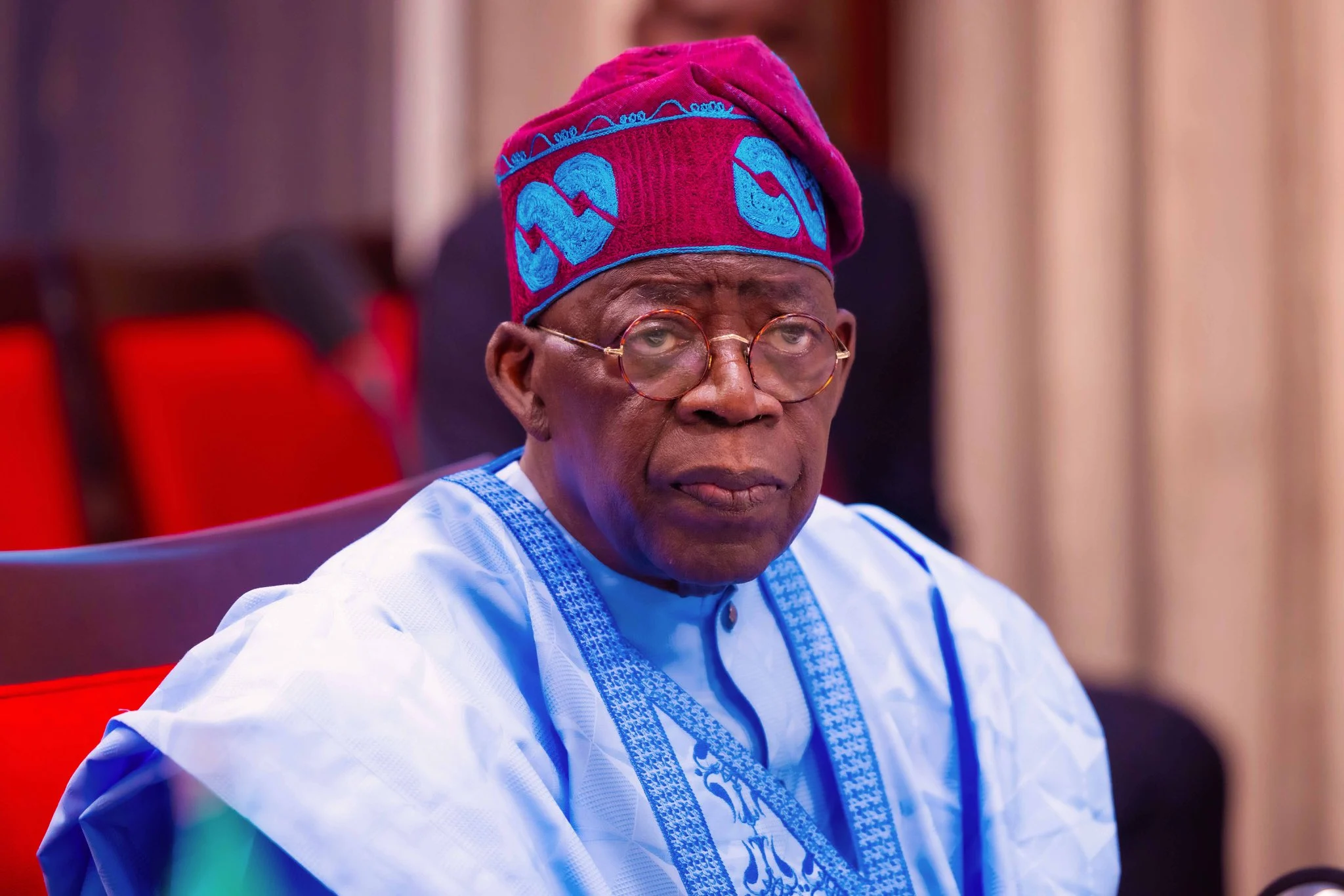
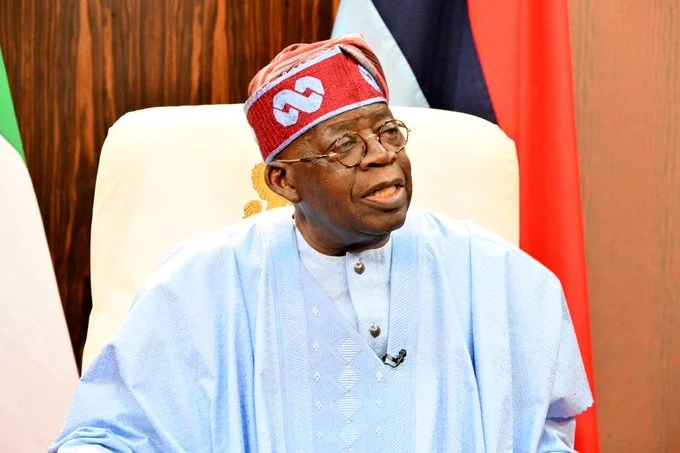
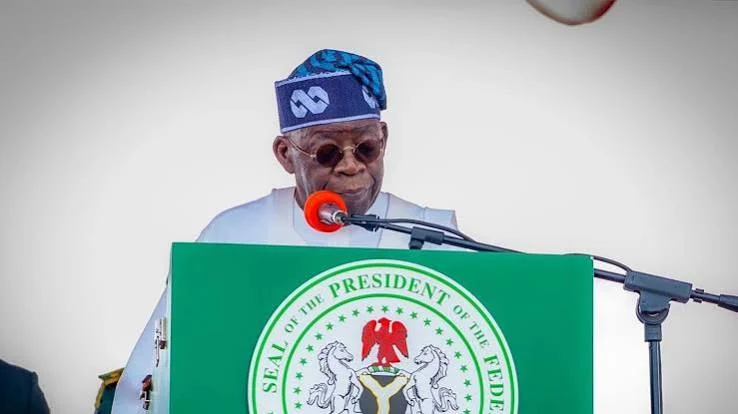
President Bola Ahmed Tinubu has appealed to international financial institutions, including the World Bank, the International Monetary Fund, and the African Development Bank, to expand their support for climate financing in Africa.
Tinubu, represented by Vice-President Kashim Shettima, made the call while addressing a Climate Summit at the 80th Session of the United Nations General Assembly in New York, United States.
He emphasized that the climate crisis requires decisive action, not rhetoric.
“The climate emergency demands not just words, but courageous and sustained leadership,” Tinubu said.
The president disclosed that Nigeria is mobilising between $20 and $25 billion in climate finance by 2030, using instruments such as green bonds, blended finance, and public-private partnerships.
He added that Nigeria aims to unlock between $7 and $10 billion in grants and concessional financing from global partners to accelerate its transition to clean energy.
According to him, climate action is not optional for Nigeria but a matter of survival.
“For Nigeria, a country acutely vulnerable to climate impacts, climate action is not a choice; it is an existential necessity,” he stressed.
Tinubu highlighted recent reforms, including the removal of fossil fuel subsidies and tax law simplification, as part of efforts to attract private capital into clean energy and sustainable infrastructure.
He also noted the launch of the Nigeria Carbon Market Activation Policy in March 2025, designed to position the country as a hub for credible carbon markets.
Through this mechanism, Nigeria hopes to generate up to $2.5 billion by 2030 from high-quality carbon credits and related investments.
The president also announced that Nigeria had formally submitted its enhanced Nationally Determined Contributions (NDC 3.0) on September 21, in line with UNFCCC guidance.
“This enhanced NDC reflects greater ambition, integrating mitigation and adaptation measures to safeguard our people, protect ecosystems, and accelerate inclusive growth,” Tinubu said.
Under the NDC 3.0, Nigeria aims to reduce its deforestation rate by 60 percent, increase forest cover through reforestation and afforestation, scale up renewable energy to achieve a seven-gigawatt mix of solar and natural gas, and improve energy efficiency across industries.
Health and climate empowerment have also been added as priority areas in the new plan, with commitments to support five million smallholder farmers with climate-smart agriculture by 2030.
Reiterating his call for international support, Tinubu urged developed nations to honour their pledges under the Paris Agreement.
“We are under no illusion: no country can tackle the climate crisis alone. We therefore call on the World Bank, IMF, and African Development Bank to scale up financing for climate action. Likewise, developed countries must honour their climate finance commitments, including the $100 billion annually pledged under the Paris Agreement,” he said.
He further assured that Nigeria is committed to driving climate solutions in Africa.
“For us, climate action is not a trade-off between growth and sustainability; it is the pathway to sustainable growth, innovation, security, and shared prosperity,” Tinubu affirmed.