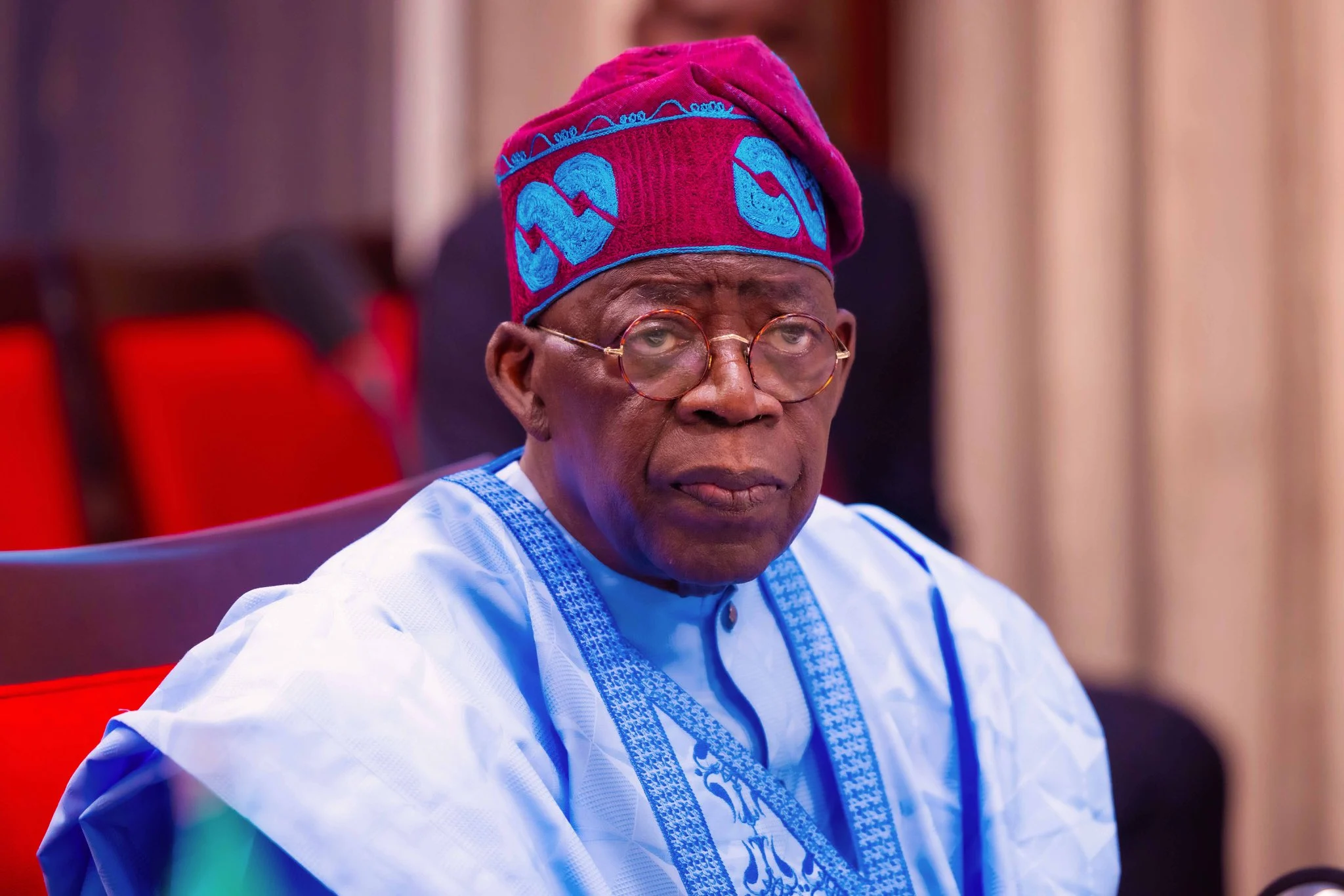
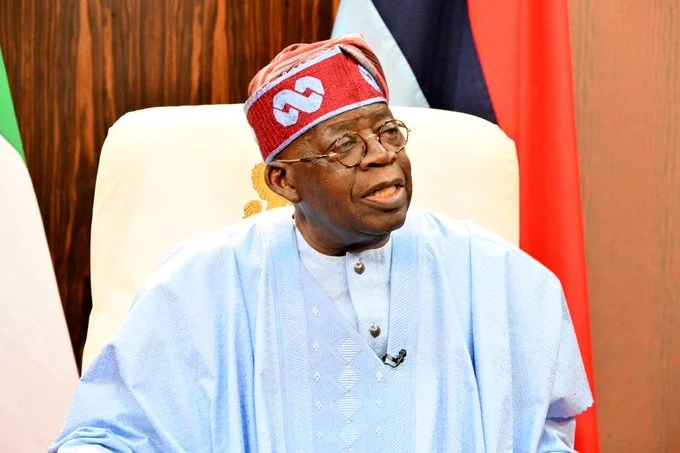
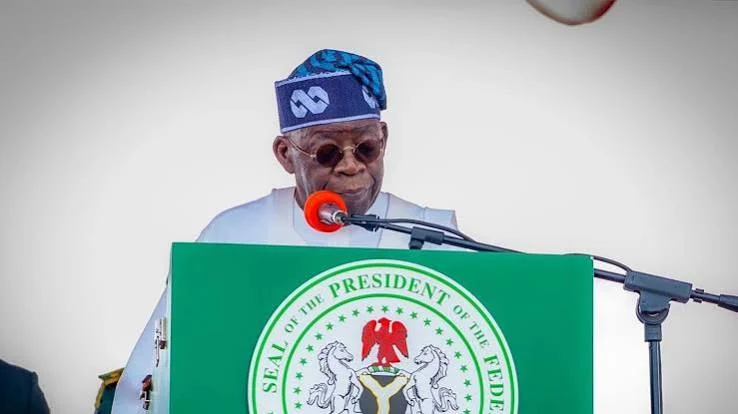
President Bola Ahmed Tinubu has signed the 2026 Appropriation Bill into law, approving a total expenditure of ₦68.32 trillion for the fiscal year, while also extending the implementation of the 2025 capital budget to June 30, 2026.
The development was disclosed in a statement issued on Friday by the President’s Special Adviser on Information and Strategy, Bayo Onanuga.
According to the statement, the newly signed budget allocates ₦4.799 trillion to statutory transfers, ₦15.8 trillion for debt servicing, ₦15.4 trillion for recurrent expenditure, and ₦32.2 trillion for capital projects under the Development Fund.
“The ₦68.32 trillion budget reflects a strategic balance between statutory obligations, debt servicing, recurrent spending, and capital investment necessary to drive productivity and improve citizens’ quality of life,” the statement said.
It added that capital expenditure accounts for about half of the total budget, underscoring the administration’s focus on infrastructure development, economic stability, national security, and inclusive growth.
Tinubu also assented to an amendment bill extending the capital component of the 2025 budget from its earlier deadline of March 31 to June 30, 2026. The presidency noted that the extension is aimed at ensuring the completion of ongoing projects.
“The extension will allow Ministries, Departments, and Agencies to consolidate ongoing works, enhance project delivery, and ensure full utilisation of allocated funds,” the statement read.
The President directed all government agencies to ensure prudent and transparent use of public resources, stressing the need for accountability and timely execution of projects.
He also commended the National Assembly for what he described as its cooperation and diligence in the passage of the budget, reaffirming the importance of collaboration between the executive and legislative arms of government.
Tinubu further assured Nigerians of continued fiscal reforms, improved revenue generation, and targeted investments to stimulate economic growth, create jobs, and strengthen social protection systems.
The 2026 budget, tagged “Budget of Consolidation, Renewed Resilience and Shared Prosperity,” was initially presented to lawmakers in December 2025 at ₦58.47 trillion before being revised upward to ₦68.32 trillion prior to its passage.
Key sectoral allocations include ₦5.41 trillion for defence and security, ₦3.56 trillion for infrastructure, ₦3.52 trillion for education, and ₦2.48 trillion for health.
During the budget presentation, Tinubu described the fiscal plan as critical to Nigeria’s reform efforts, noting that “the path of reform is seldom smooth, but it remains the surest route to lasting stability and shared prosperity.”