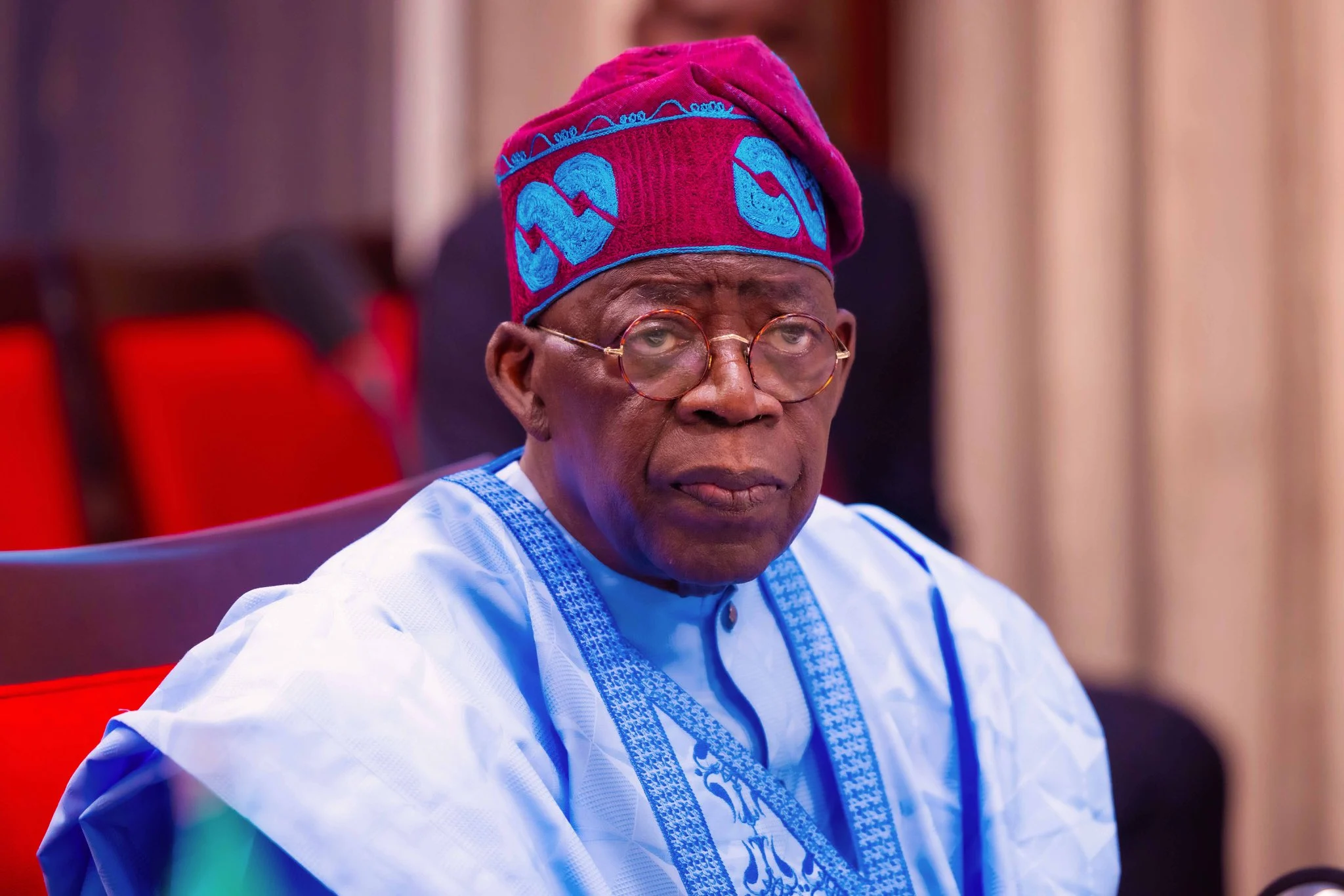
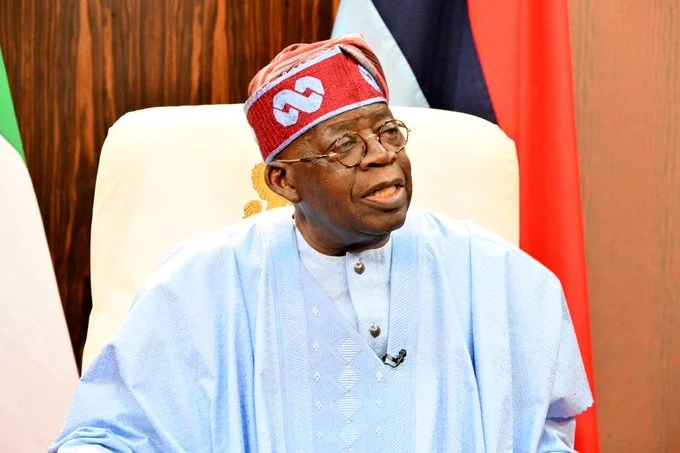
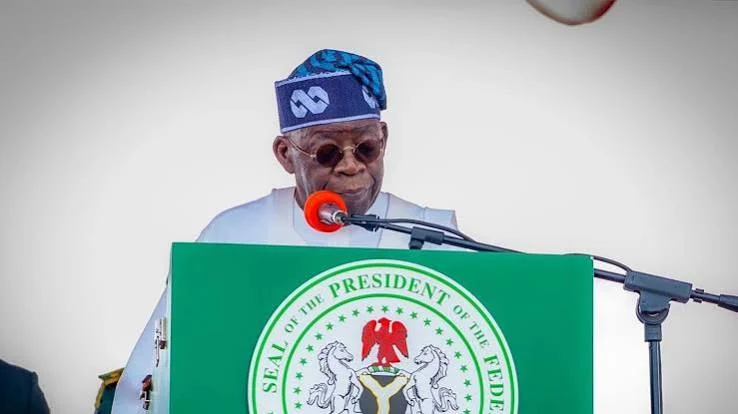
President Bola Tinubu has called on West African leaders to push for the recognition of resource theft, illegal mining, and mineral smuggling as international crimes, describing them as serious threats to regional peace, stability, and development.
The President made the appeal in Abuja on Tuesday during the opening of the Annual General Meeting of the Network of National Anti-Corruption Institutions in West Africa (NACIWA). He was represented at the event by the Secretary to the Government of the Federation, George Akume.
Tinubu lamented that corruption and the plundering of mineral resources had continued to undermine the region’s economic and political progress decades after independence.
“West Africa’s post-independence trajectory has been marred by corruption, manifesting in the looting and stashing of our commonwealth abroad,” he said. “Stealing of mineral resources is on the rise in the region, fuelling the proliferation of small arms and light weapons, as well as violent crimes like banditry and kidnapping.”
The President stressed that it was time for West African nations to unite in urging the global community to view resource theft and illegal mining as crimes of international concern.
“I believe the time has come for us to designate resource theft, mining, and the stealing of minerals in the region as international crimes that threaten regional stability,” Tinubu stated. “This will galvanise global action against the menace of stolen minerals from West Africa.”
He also urged member states to strengthen financial intelligence sharing, anti-money laundering frameworks, and transparency in the extractive sector.
“No single country can win the battle against illicit financial flows alone,” Tinubu noted. “This challenge requires a multi-state, multi-stakeholder approach that harmonises regional efforts against corruption.”
Highlighting Nigeria’s domestic efforts, Tinubu said his administration had prioritised tracing and recovering stolen assets through new legal frameworks for asset management. He commended the Economic and Financial Crimes Commission (EFCC) for its achievements under the leadership of Ola Olukoyede, whom he described as “prolific in asset recovery.”
According to him, his government has reinvested ₦100 billion recovered from crime proceeds into the Student Loan Scheme and the Consumer Credit Scheme to promote education and financial inclusion.
Also speaking at the event, the Attorney General of the Federation and Minister of Justice, Lateef Fagbemi (SAN), called on West African countries to domesticate the ECOWAS Protocol on Corruption to ensure that corrupt officials have no safe haven in the subregion.
“Let us domesticate the ECOWAS Protocol on Corruption so that thieves find no hiding place,” Fagbemi said. “The child who says his mother will not sleep will also not sleep. So too, the corrupt who disturb the peace of nations must not find rest across borders.”
He further proposed the creation of an ECOWAS Regional Task Force on Asset Recovery to coordinate investigations and intelligence sharing among member states, stressing that anti-corruption agencies must be adequately funded to remain independent and effective.
“The goat eats where it is tied,” Fagbemi cautioned. “If we starve our institutions, they will be unable to resist corruption.”
In his remarks, EFCC Chairman and President of NACIWA, Ola Olukoyede, said corruption in West Africa must be addressed in the broader context of governance, peace, and social justice.
“Our institutions operate within evolving landscapes of political transitions, security concerns, and governance challenges,” Olukoyede said. “Our fight against corruption must therefore align with the pursuit of political stability, institutional integrity, and social justice.”
Tinubu’s call comes amid rising concerns over illegal mining and mineral smuggling across West Africa, particularly in resource-rich nations like Nigeria, Ghana, Burkina Faso, and Mali, where billions of dollars’ worth of minerals are reportedly lost annually through unregulated trade channels.