

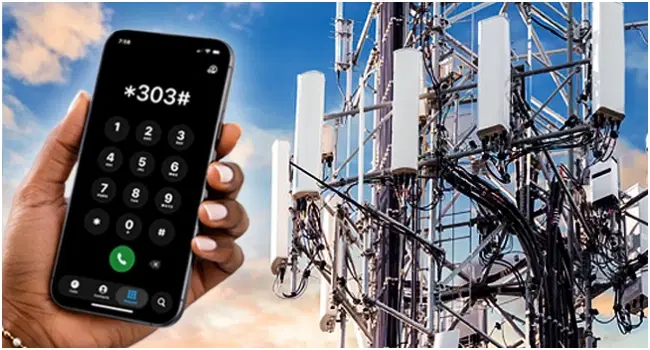
Telecommunications subscribers across Nigeria can once again access emergency airtime lending services after major operators, Airtel and Glo, restored the platforms following the suspension of the controversial Digital, Electronic, Online or Non-Traditional Consumer Lending Regulations 2025 by the Federal Competition and Consumer Protection Commission.
The restoration comes amid growing legal pressure on the Commission after a Federal High Court in Lagos ordered a temporary halt to the enforcement of the regulations pending the outcome of a suit challenging the FCCPC’s authority over telecom-based airtime lending services.
Chairman of the Wireless Application Service Providers Association of Nigeria, Ayo Stuffman, confirmed the return of the services on Monday, noting that subscribers on both networks could already access the platforms again.
“As we speak, the services in question are already active on Airtel and Glo,” he said.
The development is expected to provide relief for millions of Nigerians who rely on emergency airtime credit for communication and small business activities.
Industry estimates value Nigeria’s airtime lending market at more than ₦400 billion annually.
The FCCPC had introduced the DEON Regulations 2025 to regulate airtime lending services, maintaining that such platforms fall under digital consumer credit and should therefore be subject to oversight aimed at protecting consumers from alleged abuses, including unfair lending practices and data privacy breaches.
According to the Commission, over 11,000 complaints had been received from consumers regarding digital lending operations.
However, the move faced strong opposition from players within the telecommunications sector, especially WASPAN and telecom operators, who argued that airtime advances are telecom value-added services rather than conventional consumer loans.
The dispute intensified after Justice A. Allagoa of the Federal High Court in Lagos restrained the FCCPC from enforcing the regulations, while Form 49 contempt proceedings were reportedly initiated against the Commission’s Executive Vice Chairman, Tunji Bello.
In a statement issued on Friday, FCCPC Director of Corporate Affairs, Ondaje Ijagwu, announced that the Commission had suspended the implementation of the regulations in obedience to the court order.
“As a law-abiding institution, the Commission, in deference and in obedience to the rule of law, hereby suspends the implementation and the enforcement of the DEON Regulations 2025,” the statement read.
Despite suspending enforcement, the FCCPC indicated its intention to challenge the ruling, stating that its legal team had been directed to contest both the court order and the competence of the suit filed against the Commission.
Stakeholders within the industry said the suspension has temporarily eased tensions in the telecom sector, although concerns remain over regulatory uncertainty and its potential impact on investor confidence and long-term industry stability.
Chairman of the Association of Licensed Telecommunications Operators of Nigeria (ALTON), Gbenga Adebayo, had earlier stressed the need for clearer regulatory boundaries and greater predictability within the sector.
For now, subscribers have regained access to emergency airtime advances, but industry observers believe the final court decision will shape the future of regulatory oversight in Nigeria’s expanding digital credit market.




