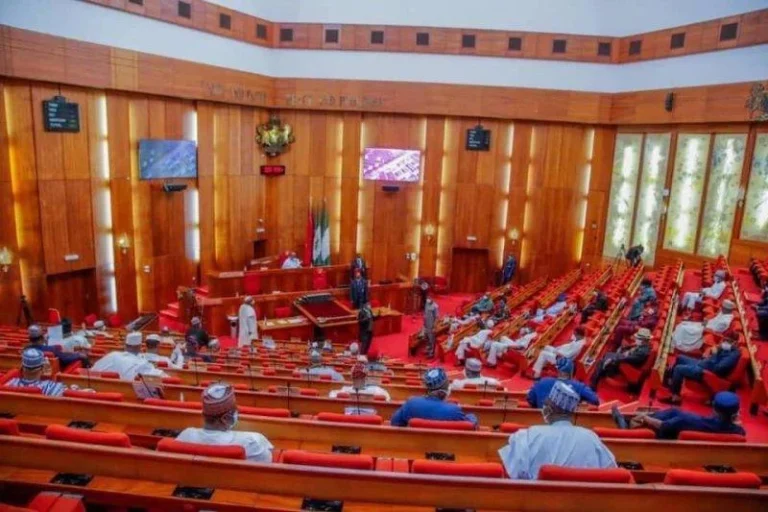
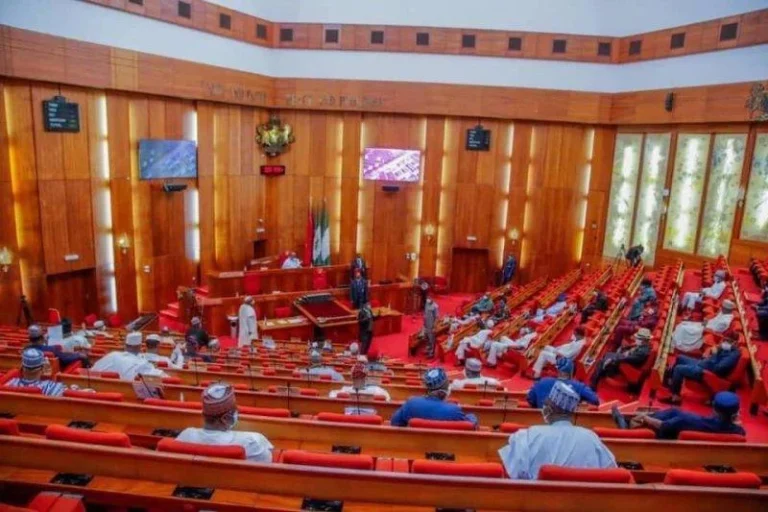
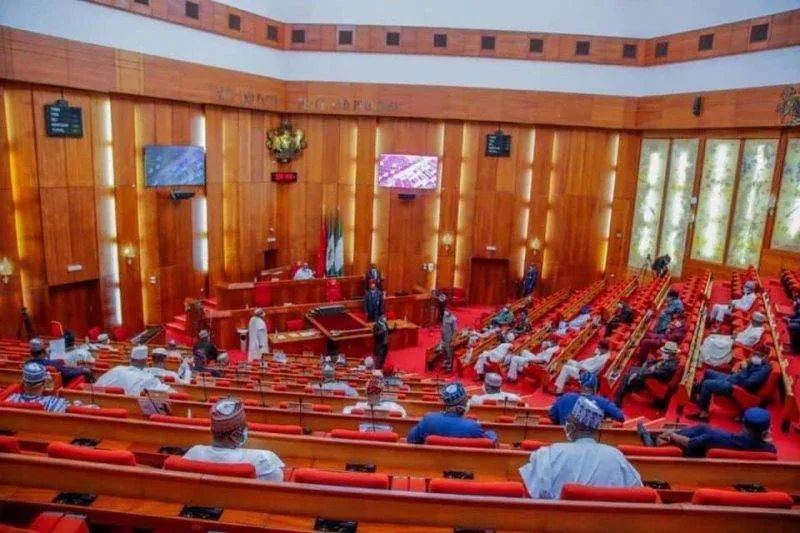
The Senate has refuted widespread claims that it voted against the electronic transmission of election results while considering the Electoral Act (Amendment) Bill, insisting that the provision remains part of Nigeria’s electoral law.
Senate President, Godswill Akpabio, made the clarification on Tuesday after the upper legislative chamber passed the bill following a lengthy session that lasted over four hours.
Debate on the controversial amendment to Clause 60(3) of the bill commenced around 2pm and concluded at about 6.26pm, sparking intense speculation on social media that lawmakers had removed the requirement for electronic transmission of results from polling units to the Independent National Electoral Commission’s (INEC) Result Viewing Portal (IREV).
Addressing senators shortly after the passage of the bill, Akpabio described the reports as misleading, stressing that the Senate neither abolished nor reversed electronic transmission of election results.
“There is a lot of misinformation circulating suggesting that this Senate rejected electronic transmission of results. That is incorrect,” Akpabio said.
“What we did was to retain the existing provision that already allows electronic transmission, which was applied during previous elections.”
He explained that the amendment preserved the current legal framework, which empowers INEC to determine the mode of transmitting results, including electronic means.
“The law still accommodates electronic transmission. Nothing has been removed,” he added.
“This Senate cannot afford to take Nigeria backwards on electoral reforms.”
Akpabio further noted that the Senate’s official records and voting proceedings would be made available for public scrutiny, urging Nigerians to rely on verified information rather than speculation.
“If anyone is in doubt, the records are there. This Senate, under my leadership, has not acted against electronic transmission of results,” he said.
The debate over electronic transmission has remained a central issue in Nigeria’s electoral reform discussions since the 2023 general elections, with civil society organisations and opposition parties advocating for clearer and more explicit legal provisions to enhance transparency and public trust in the electoral process.
Akpabio said the clarification was necessary to calm public anxiety and counter what he described as deliberate misrepresentation of the Senate’s actions as the National Assembly continues work on electoral reforms ahead of future elections.