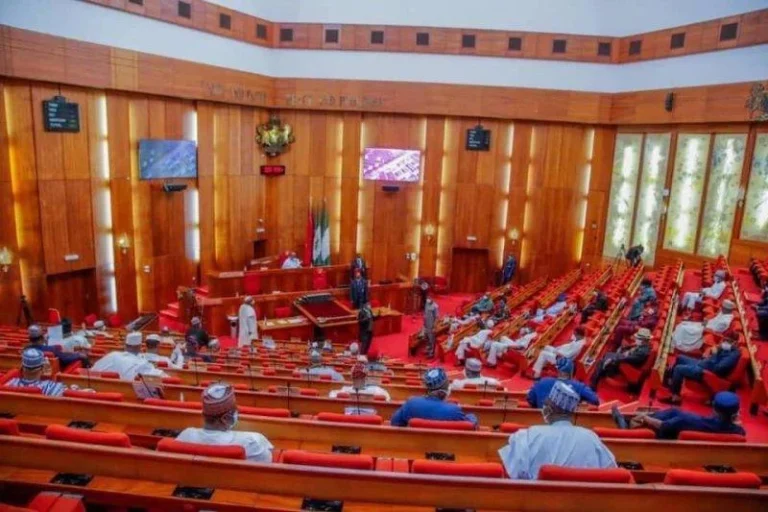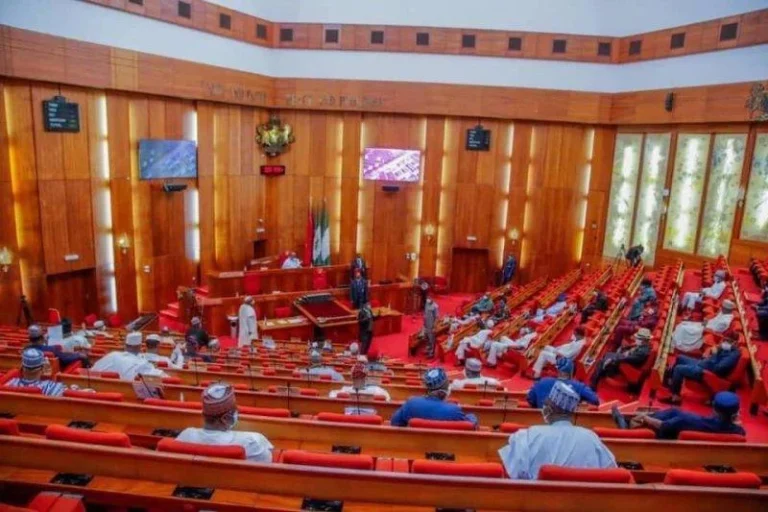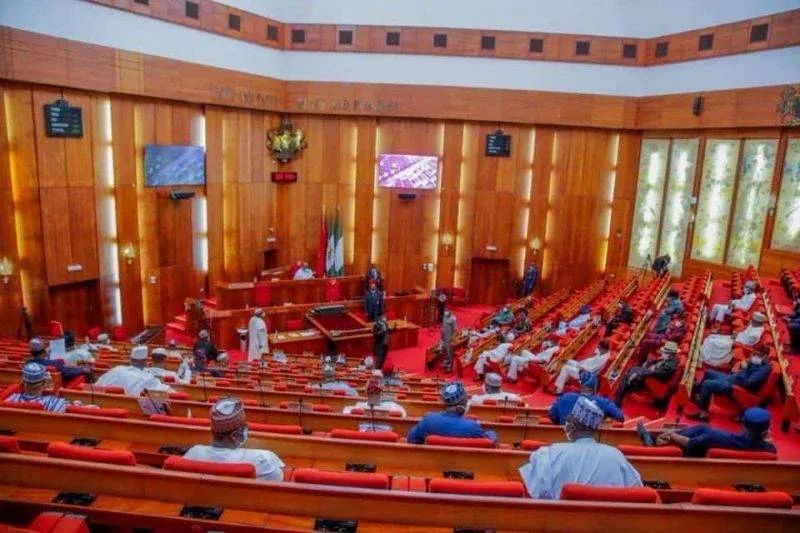
The Senate on Wednesday switched to manual voting during deliberations on the proposed state police constitutional amendment bill after a technical malfunction disrupted its electronic voting system.
The decision was reached to ensure that all lawmakers could participate in the voting process and that no senator would be excluded due to faulty voting devices.
Moving the motion, Senate Leader Opeyemi Bamidele said transparency and inclusiveness were crucial, especially given the significance of the constitutional amendment under consideration.
“There is a need to ensure transparency among ourselves as lawmakers and also to the Nigerian public,” Bamidele said.
“Since some of the voting devices are not functioning properly, adopting manual voting will prevent any senator from being disenfranchised.”
He added that each senator should be allowed to openly declare their position by standing up and identifying themselves during the voting exercise.
The motion received support from Minority Leader Abba Moro and was subsequently adopted by the chamber.
Under the new arrangement, senators will vote individually by announcing their names and publicly stating whether they support or oppose the proposed state police framework.
Lawmakers argued that the manual process would not only guarantee participation by all senators but also allow constituents to know where their representatives stand on the contentious issue.
In a related development, the Senate reversed an earlier decision and granted governors and other senior government officials access to the chamber during deliberations on the state police bill.
The request had initially been rejected through a voice vote, in line with Senate rules that restrict floor access to lawmakers while visitors observe proceedings from designated galleries.
The development briefly stalled proceedings as invited dignitaries, including state governors and top government officials, waited outside the chamber.
Senate President Godswill Akpabio later appealed to lawmakers to reconsider the decision, stressing the importance of stakeholder involvement in the constitutional amendment process.
According to Akpabio, the proposed state police legislation would ultimately require approval from state Houses of Assembly, making it necessary for governors and other key actors to closely follow the debate.
“This constitutional amendment process involves the states, and their participation is important,” Akpabio said, noting that the bill also originated from the executive arm of government.
Following the appeal, Bamidele moved another motion seeking the suspension of Senate Order 12, which governs floor privileges, to permit the invited guests to enter the chamber as observers.
Deputy Senate President Barau Jibrin supported the proposal, praising Akpabio’s leadership style and describing the move as a demonstration of inclusiveness.
“Allowing these stakeholders to witness the proceedings will encourage wider engagement and understanding of the state police proposal,” Jibrin said.
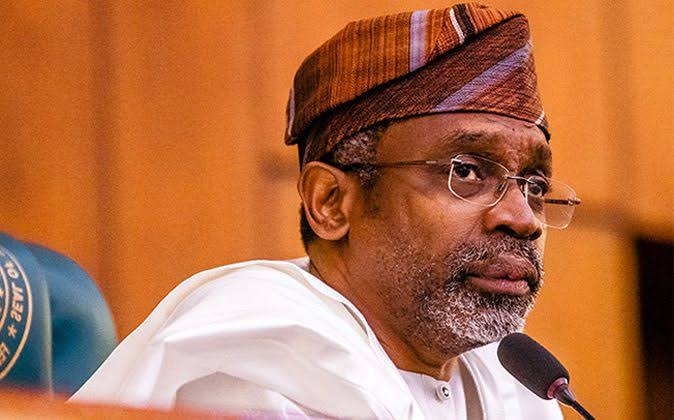
The Senate subsequently approved the motion, allowing several high-profile officials into the chamber, including Chief of Staff to the President Femi Gbajabiamila, Kaduna State Governor Uba Sani, Ogun State Governor Dapo Abiodun, and Ondo State Governor Lucky Aiyedatiwa.
The deliberations form part of ongoing efforts to amend the Constitution and determine whether Nigeria should establish state-controlled police forces alongside the existing federal policing structure.