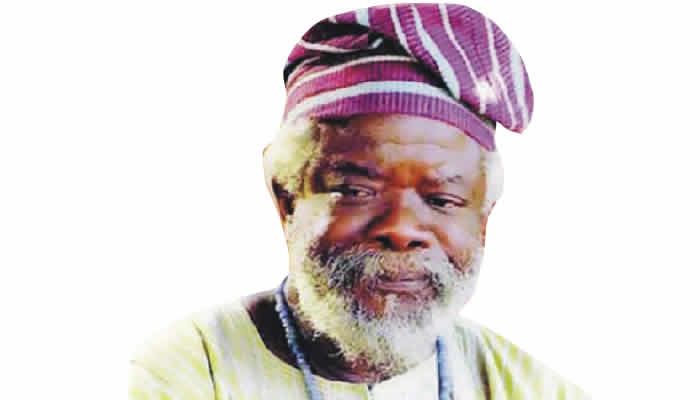
Veteran dramatist and academic, Prof. Peter Fatomilola, has urged members of the Yoruba Tennis Club, Onikan, Lagos, to preserve the cultural values and indigenous knowledge that have sustained the institution for 100 years.
The Punch reported that Fatomilola made the call while delivering a lecture titled “Ayanmo (Destiny)” at the club’s Greetings Hall on Tuesday as part of its Centenary Cultural Week.
Drawing from Yoruba Ifa philosophy, traditional verses and cultural analogies, the scholar examined the connection between destiny, personal responsibility, choices and communal life.
He cautioned against viewing destiny as an excuse for avoiding responsibility, instead emphasising the importance of good character, responsible choices and integrity in shaping individual and collective outcomes.
Fatomilola also urged members to make truth and integrity the foundation of their relationships and institutional affairs, noting that the club’s century-long survival was closely linked to the values established by its founders.
He said the centenary should go beyond celebrating the club’s longevity, urging members to identify the values worth preserving and deliberately pass them on to younger generations.
The lecture was part of a cultural colloquium organised under the anniversary theme, “100 Years of Brotherhood, Culture and Continuity.”
The gathering brought together scholars and cultural figures to reflect on the history, values and enduring relevance of the club.
The event also highlighted the circumstances surrounding the club’s establishment.
A citation read by Dr Bayo Ayo recalled that some educated Yoruba elites, including Nigerians who had returned from overseas, were denied access to existing tennis clubs by colonialists because of racial discrimination.
The exclusion helped inspire the creation of the Yoruba Tennis Club, which subsequently evolved into an important social and cultural institution.
Professor of History, Habeeb Sanni, who spoke during a panel session, said the club’s history reflected the determination of Nigeria’s early educated elite to challenge colonial perceptions of African inferiority.
“They realised that Europeans who have come to colonise them are not better than themselves,” he said.
Sanni said the founders demonstrated that Africans were capable of establishing and managing institutions, adding that the club eventually expanded beyond tennis to become a meeting point for people from different ethnic, racial and professional backgrounds.
He noted that some of its early members were influential figures in education, medicine and law, while others were involved in nationalist activities that contributed to Nigeria’s political development.
Sanni disclosed that he had commissioned a student to undertake a PhD research project on the history and institutional development of the Yoruba Tennis Club.
Describing the club’s existing historical records as “superb,” he said they provided valuable material for understanding the development of Lagos society and Nigeria’s early elite institutions.
The historian urged current members to see themselves as custodians of the club’s heritage rather than simply beneficiaries, stressing that they had a duty to protect what earlier generations built while creating opportunities for future members to surpass their predecessors.